






Debt vs Equity, ACCA Business and Technology BT/F1

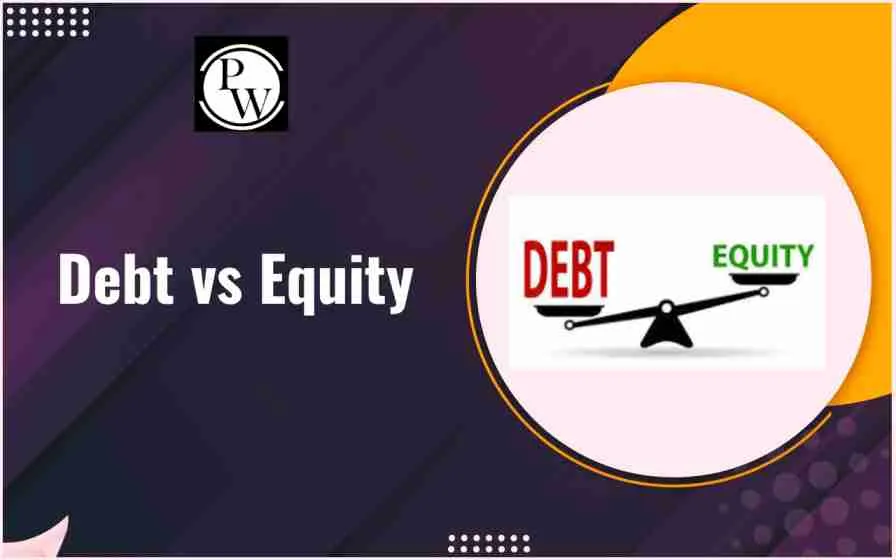
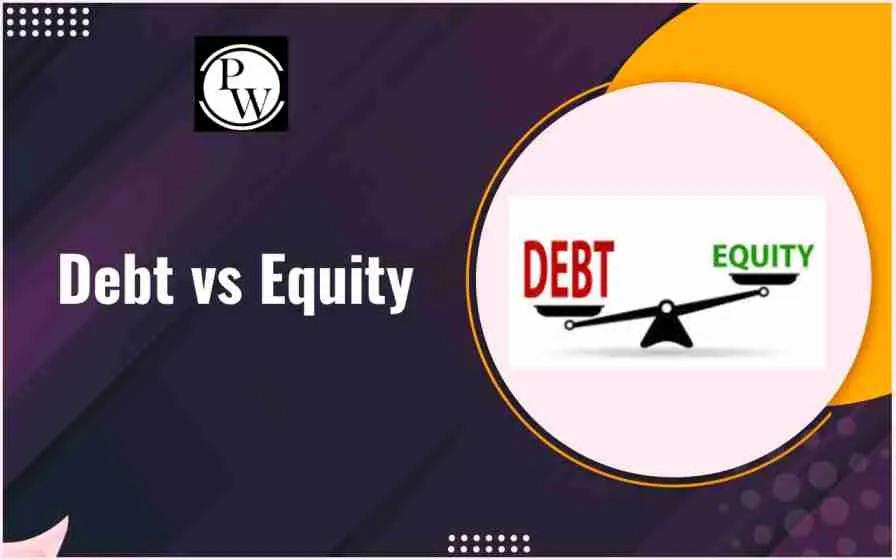
Debt vs Equity: Understanding where money comes from is a key part of learning about business. In the ACCA syllabus F1, under the BT paper exam topics, one important area is business finance fundamentals. This includes knowing how companies get money to grow and run daily activities. The two main ways to raise funds are called debt vs equity. This article explains what each means, how they work, and when to use them. It also touches on the types of business entities and why choosing the right funding option matters.
What is Debt Finance?
Debt finance is when a business borrows money from places like banks or lenders. They agree to pay back what they borrowed, plus some extra (that's the interest), over a set amount of time. Companies use debt to meet their funding needs without giving up ownership.
Key Features of Debt Finance:
- Businesses repay the loan with interest according to a fixed schedule.
- Borrowers must provide collateral in most cases.
- Debt financing doesn’t affect ownership or voting rights.
- Interest payments reduce the company’s taxable income.
Companies with stable cash flows usually choose between debt vs equity finance because they can handle regular interest and principal payments.
Also Check: Non-Executive Directors (NED), ACCA Business and Technology BT/F1
What is Equity Finance?
Equity finance is when a biz gets money by selling parts of itself to people. The people who buy these shares then own a piece of the biz and might get some cash back if the biz does well. Companies don’t need to repay the money or offer collateral.
Key Features of Equity Finance:
- Investors become part-owners of the business.
- The company has no obligation to repay investors or pay fixed dividends.
- It doesn’t require collateral.
- Existing ownership may get diluted.
Startups and businesses with unpredictable income often choose equity finance. They avoid fixed repayment burdens and use investor funds for growth.
Advantages of Debt Finance
Debt finance offers several benefits to businesses, especially those with stable income and clear repayment plans. Below are some key advantages:
Ownership Stays Intact: Owners retain full control since lenders don’t receive shares or voting rights.
Tax Benefits: Interest on debt is tax-deductible, reducing the company’s overall tax burden.
Lower Cost: Debt can be a cheaper option because lenders expect lower returns than equity investors.
Predictable Costs: Fixed repayment schedules make financial planning easier.
Disadvantages of Debt Finance
While debt financing offers control and tax benefits, it also comes with challenges that can strain a business’s financial stability.
Mandatory Repayments: Businesses must make repayments even when profits are low.
Collateral Requirement: Lenders often demand assets as security, limiting flexibility.
Financial Risk: Debt adds to the company’s liabilities and can strain cash flow.
Also Check: Types of Fraud
Advantages of Equity Finance
Equity finance can offer valuable flexibility and growth potential for businesses that are willing to share ownership. Here are its main benefits:
No Fixed Repayment: Companies don’t need to pay back investors or provide regular interest.
Cash Flow Flexibility: Equity financing suits businesses with inconsistent earnings.
No Collateral Needed: This benefits companies without significant assets.
Disadvantages of Equity Finance
Equity finance is cool because it's flexible, but businesses need to think about some possible problems before they start selling shares.
Less Control: When you sell shares, the original owners have less say in how things go.
More Expensive: Investors want bigger returns since they are taking a chance.
Sharing the Pie: The business has to share its profits with all the shareholders.
Difference Between Debt and Equity
This section highlights the key differences between debt vs equity financing to help businesses evaluate which option aligns with their financial strategy.
| Difference Between Debt and Equity | ||
| Feature | Debt Finance | Equity Finance |
| Ownership | No change | Dilution of control |
| Repayment | Fixed and mandatory | No fixed repayment |
| Collateral | Usually required | Not required |
| Tax Benefits | Interest is tax-deductible | Dividends are not tax-deductible |
| Investor Role | No control or voting rights | Voting rights for shareholders |
| Financial Risk | Higher due to fixed payments | Lower payments depend on profits |
How to Choose Between Debt vs Equity
When deciding between debt vs equity, businesses must evaluate several factors:
Cash Flow Stability: Companies with steady cash flows can handle debt repayments. Unstable cash flows suggest a better fit for equity finance.
Risk Tolerance: Businesses in low-risk industries often prefer debt. Riskier ventures should consider equity to avoid the pressure of fixed payments.
Asset Base: Firms with assets can offer collateral and access lower-cost debt. Asset-light businesses lean towards equity.
Ownership Preference: If maintaining control is critical, choose debt. Equity financing involves sharing decision-making with new shareholders.
Tax Position: Companies with high taxable income can reduce taxes through debt financing. Those with lower tax liabilities may not benefit as much from this feature.
Also Check: ACCA Financial Accounting (FA/F3)
Real-World Scenario
Suppose a tech startup wants to launch a new AI-powered platform. The project is high-risk, and future revenue is uncertain. In this case, the startup should raise funds through equity:
- It avoids interest payments during the development phase.
- It doesn’t need to provide collateral.
- Investors share the risk and potential reward.
Now imagine a retail chain planning to open new stores in already successful locations. This expansion is low-risk with predictable returns. The company can use debt:
- It retains full ownership and control.
- It benefits from tax savings on interest.
- Its strong cash flow supports regular repayments.
Why This Matters in ACCA BT/F1
The ACCA syllabus F1 includes the basics of money decisions under BT paper exam topics. Students must know the types of business finance fundamentals, especially debt vs equity. This topic helps future finance workers give better advice to businesses.
Borrowing or selling ownership can give businesses the cash they need. However, each option has its own set of duties and results. If you borrow money, you keep control, but you have to pay it back. If you sell ownership, you don't have to worry about repayments, but you have to split profits and control.
For ACCA students, learning these business finance fundamentals gives a strong base to understand real-world business needs. These ideas are part of your introduction to business finance in the ACCA BT paper exam topics.
| Also Check: |
| Irrecoverable Debts and Allowances for Recoverables |
| Taxation Examiner Report |
| How to Attempt ACCA MCQs Smartly for Maximum Marks? |
| Can You Finish ACCA in Two Years? |
Debt vs Equity FAQs
What are the primary distinctions between debt and equity financing?
What reasons could influence a company to opt for debt instead of equity financing?
What are the dangers associated with utilizing equity financing?
What are the differences in tax treatment between debt and equity?







 Live & recorded classes available at easeDashboard for progress trackingMillions of practice questions at your fingertips

