How Ishan Dev Chola Became an ACCA Affiliate with PW: His September 2026 Success Story
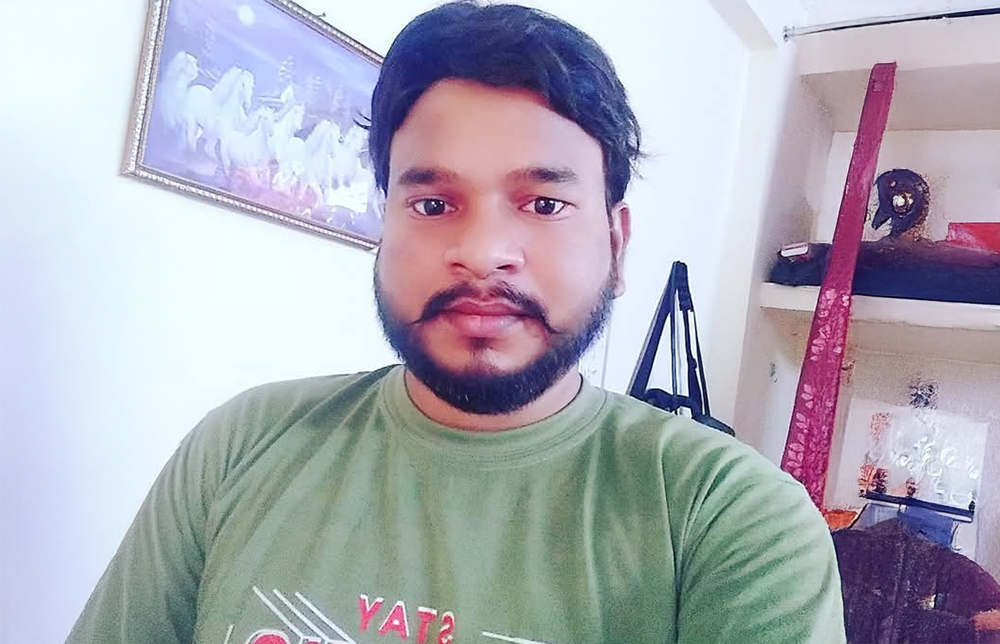

Completing ACCA requires students to stay consistent across multiple papers while managing preparation, practice, and other responsibilities. For Ishan Dev Chola, the journey involved clearing papers through different attempts, preparing for theory and practical papers, and eventually completing his journey to become an ACCA Affiliate.
His September 2026 result marked an important milestone after nearly a year of waiting for the final outcome. His experience shows how consistent study, planned preparation, question practice, and proper time management can help students stay on track during the ACCA journey.
How Ishan Dev Chola Started His ACCA Journey
Ishan followed the five-exemption route and started his ACCA journey with Financial Reporting (FR). His preparation was not always consistent in terms of daily study hours, but he focused on avoiding complete breaks from studying.
He explains that the most important part of his preparation was maintaining continuity, even on days when he did not feel like studying.
“Basically isme motivation wali koi cheez nahi hai. Bas consistent rahoge aap syllabus ke saath ki beshak hum kam padh lenge aaj but padhna hai. Beshak aadha ghanta padho ek ghanta padho. Matlab din skip nahi hona chahiye.”
For Ishan, consistency meant keeping the study routine active even on difficult days. He also realised that allowing one skipped day to become a longer break could affect the entire preparation schedule.
“Agar din skip hona start ho gaye, wo ek din ka ek hafta ho jayega. Wo mahina ho jayega. Pata bhi nahi lagega.”
This approach helped him continue his preparation through different stages of the ACCA journey rather than depending only on motivation.
Ishan Dev Chola Faced the Challenge of Balancing Multiple Papers
After starting with FR, Ishan cleared papers through different attempts and also planned combinations of two papers. Choosing the right combination became an important part of his preparation strategy.
He explained that while planning his papers, he considered both the difficulty of the subjects and his future plans. He also had to make decisions around his job and preparation time.
“Maine socha job karne se achha agar main ek paper nikalun usme zyada time lagega main job chhod deta hoon thoda risk factor hai isme kaafi zyada.”
He eventually planned his papers by looking at his strengths, weaker areas, and the time available before the examination. Rather than trying to perfect every topic, he focused on understanding the basics and practising questions.
“Ek cheez ko agar tumhe rank chahiye to perfect karni padegi. Agar tumhe ye hai ki bhai mujhe degree nikalni hai to ek cheez ki perfection ke peeche mat bhaago.”
This helped him avoid spending excessive time on one area while leaving other parts of the syllabus incomplete.
Ishan Dev Chola Used Planning to Manage His ACCA Preparation
With multiple papers to prepare for, Ishan created a detailed study plan. He used an Excel worksheet to map his syllabus, lecture hours, revision requirements, and question practice.
He first reviewed the complete syllabus and estimated the time required for lectures and practice. He then divided the available time according to specific topics and deadlines.
“Main ek to sabse pehle starting mein main Excel create karta tha matlab ek worksheet bana ke rakhta tha apni Excel pe ki mere ko is din pe ye hai aur ye karna hai.”
His planning also included question practice for individual units. He tried not to delay planned tasks because postponing one topic could affect the schedule for the remaining syllabus.
“Agar ek baar humne aise dheela chhod diya wo aage chalta rahega.”
For Ishan, planning was therefore not only about creating a timetable. It was about following the timetable and completing the planned work without repeatedly pushing it forward.
How PW Supported Ishan Dev Chola's ACCA Preparation
Ishan used online classes and recordings as part of his ACCA preparation. He also used Zoom sessions to clear doubts that came up during his weekly practice.
His approach was to practise during the week, note down doubts, and use the weekend Zoom session to address them.
“Main Zoom sessions ko aise use karta tha jaise main hafte mein jitna maine practice kara jahan mere ko doubts aaye main usko write down kar leta tha saare.”
He would then use the weekend session to clear the doubts collected during the week.
“Monday to Friday, Saturday tak beech mein jab Zoom session laga to maine saare apne doubts clear up kar liye.”
Ishan also found recorded classes useful because they allowed him to complete lectures according to his own schedule. He explained that students who prefer finishing the syllabus independently can use recordings and adjust the playback speed according to their requirements.
“Recording mein main agar dekha jaye, jo banda thoda koi jaise main kya karta tha syllabus poora khatam kar deta tha main pehle hi. Toh agar jis bande ki ye wali approach hai ki pehle main syllabus khatam karunga, uske liye recordings bahut achha hai.”
His experience also challenged the idea that online or recorded classes cannot work effectively. According to him, the learning mode becomes more manageable when students control distractions and remain disciplined.
Ishan Dev Chola Focused More on Question Practice
Question practice became one of the strongest parts of Ishan's preparation strategy. Instead of depending only on mocks, he focused heavily on solving previous questions and covering as many questions from the syllabus as possible.
He also trusted his ability to complete the paper within the given time and therefore concentrated on practising questions rather than taking a large number of mocks.
“Main mocks se zyada focus us pe karta tha ki jaise ki jo ye previous attempts ke questions the wo zyada se zyada karun.”
Towards the final stage, he increased his mock practice while continuing to prioritise questions.
“Last mein jaise mere ko 15 ya 20 days bache hain to main mock uthata tha, ek-do, zyada se zyada do time mein mock karta tha aur jyadatar main question practice karta tha.”
This approach helped him use the available preparation time for both practice and revision instead of relying only on full-length mock tests.
Ishan Dev Chola’s journey shows how consistency, regular practice, and proper time management can help aspirants move forward in their ACCA preparation, even while managing work and other responsibilities. His experience also highlights the importance of staying committed during challenging phases and using every available study opportunity. For aspirants preparing for ACCA, PW offers study material and classes that can support structured preparation and regular practice.