







Forex Reserves Explained: How RBI Protect the Indian Rupee?

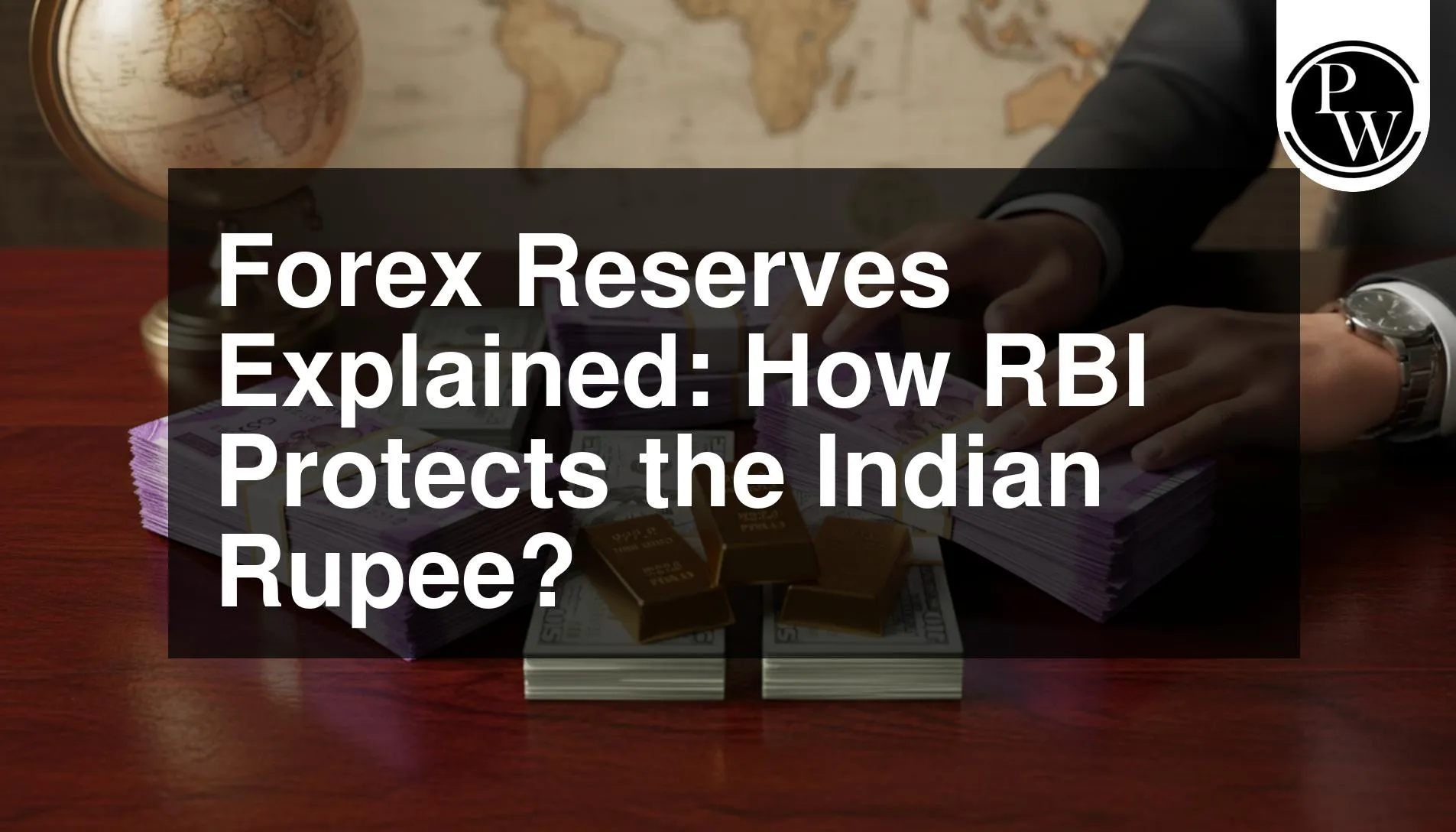
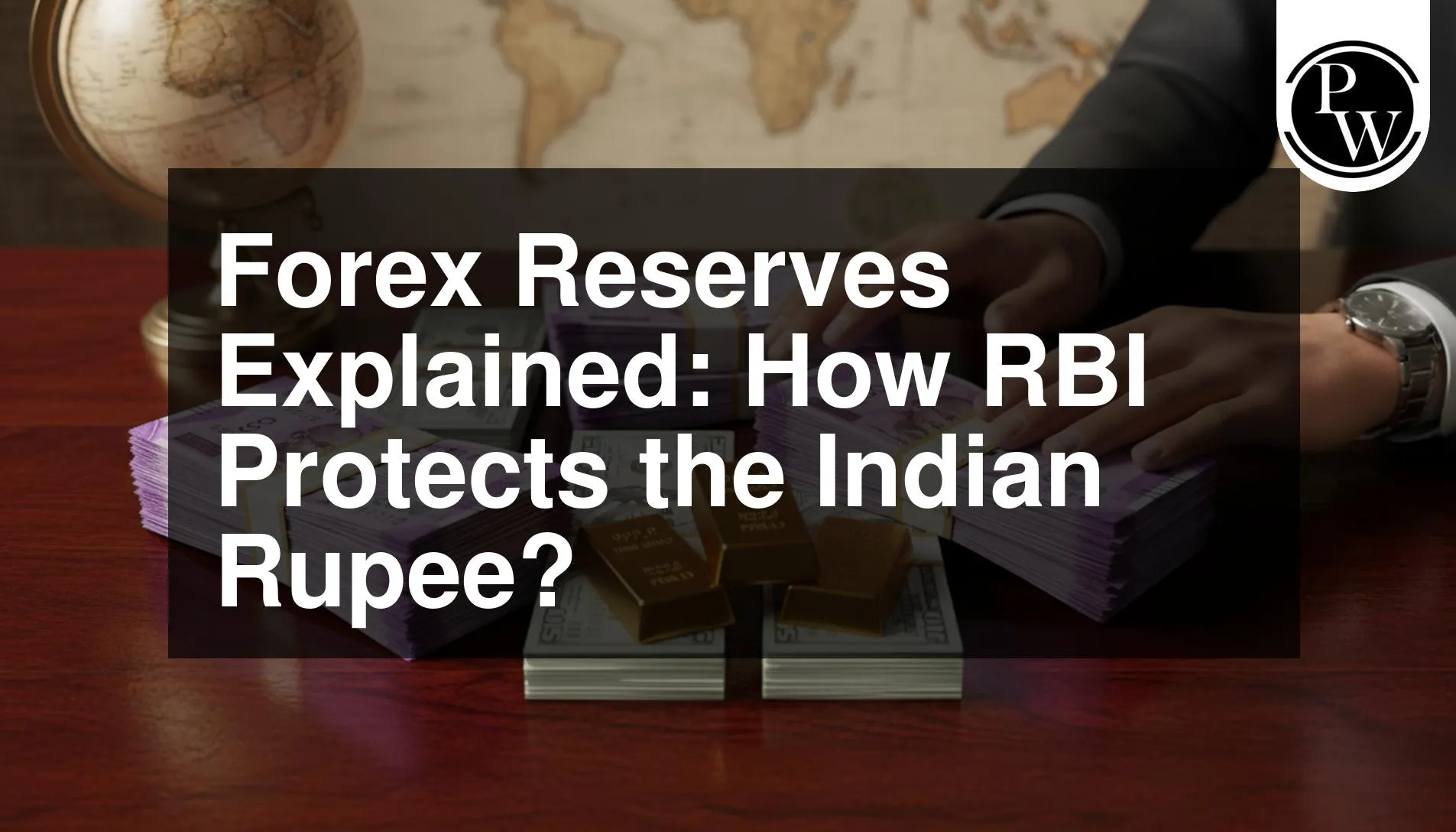
Forex reserves are one of the most important indicators of a country's financial strength. They help maintain stability in the economy and support the value of the domestic currency. In India, the Reserve Bank of India (RBI) manages these reserves and uses them to reduce excessive fluctuations in the value of the Indian Rupee.
Understanding forex reserves is important because they influence imports, foreign investments, inflation, and overall economic confidence. They also act as a financial cushion during periods of global uncertainty.
What Are Forex Reserves?
Forex reserves are foreign assets held by a country's central bank. They serve as a financial backup and help the country meet its international payment obligations.
Just as households maintain savings for emergencies, countries maintain forex reserves to handle economic challenges and external shocks. In India, these reserves are managed by the RBI.
Components of India's Forex Reserves
India's forex reserves consist of four major components.
1. Foreign Currency Assets (FCA)
Foreign Currency Assets form the largest part of India's forex reserves. These assets include major international currencies such as:
-
US Dollar
-
Euro
-
British Pound
-
Japanese Yen
These currencies are widely accepted across the world and provide liquidity whenever required.
2. Gold Reserves
Gold reserves consist of physical gold held by the RBI. Some of this gold is stored in India, while some may be stored with international institutions.
Gold is considered a safe asset because it often retains value during financial crises. This makes it an important part of the reserve portfolio.
3. Special Drawing Rights (SDRs)
Special Drawing Rights are reserve assets created by the International Monetary Fund (IMF). They provide member countries with access to additional foreign currency resources during emergencies. SDRs strengthen a country's ability to manage balance of payment pressures.
4. Tranche Position (RTP)
The Reserve Tranche Position represents the portion of funds that India has deposited with the IMF and can withdraw when needed. This component adds another layer of financial security for the country.
Why Are Forex Reserves Important?
Forex reserves perform several important functions in the economy:
-
Support Currency Stability: A strong reserve position allows the RBI to intervene in the foreign exchange market when required. This helps prevent excessive depreciation of the Indian Rupee.
-
Build Investor Confidence: Large reserves signal financial strength to global investors. This increases confidence among foreign investors and encourages capital inflows into India.
-
Ensure Import Security: Forex reserves help India pay for essential imports such as Crude oil, Gold, Electronics, and industrial raw materials. A healthy reserve position ensures that imports can continue even during global disruptions.
-
Improve Creditworthiness: Countries with strong reserves are generally viewed as financially stable. This helps improve sovereign credit ratings and reduces borrowing costs in international markets.
How Forex Reserves Affect the Indian Rupee
The relationship between forex reserves and the Indian Rupee is direct and significant. When the RBI holds large forex reserves, it has the ability to intervene in the market and manage currency volatility.
This helps maintain confidence in the Rupee. When reserves are low, the central bank's ability to support the currency becomes limited. As a result, the Rupee may experience greater fluctuations.
How the RBI Protects the Indian Rupee
The RBI uses several tools to protect the value of the Rupee and maintain stability in the foreign exchange market.
Spot Market Intervention
This is the most direct method used by the RBI.
When the Rupee weakens sharply, the RBI can sell US Dollars from its reserves. An increase in the dollar supply helps stabilize the exchange rate. Similarly, when the Rupee strengthens excessively, the RBI may purchase Dollars to maintain balance.
Forward and Swap Operations
The RBI also uses forward contracts and forex swaps to manage short-term liquidity conditions. These instruments help smooth fluctuations in foreign currency demand and supply without immediately affecting reserve levels.
Repo Rate Adjustments
Interest rates have an important impact on currency movements. When the RBI increases interest rates, Indian financial assets become more attractive to foreign investors. This encourages foreign capital inflows and increases demand for the Rupee.
Capital Flow Management
The government and RBI regulate foreign investments through policies related to:
-
Foreign Direct Investment (FDI)
-
Foreign Portfolio Investment (FPI)
-
External Commercial Borrowings (ECB)
These measures help maintain stable and sustainable capital inflows.
NRI Deposit Schemes
During periods of pressure on the currency, special schemes may be introduced to encourage Non-Resident Indians (NRIs) to deposit foreign currency in Indian banks. These deposits bring additional foreign exchange into the country and support reserve levels.
CRR and SLR Measures
The RBI also uses domestic liquidity tools such as:
-
Cash Reserve Ratio (CRR)
-
Statutory Liquidity Ratio (SLR)
These measures help manage liquidity in the banking system and support overall monetary stability.
What Happens When Forex Reserves Decline?
A decline in forex reserves can create several challenges.
-
Reduced Ability to Defend the Rupee: The RBI may have limited resources available for market intervention.
-
Rising Import Costs: A weaker Rupee makes imports more expensive. This is especially important for commodities such as crude oil and gold.
-
Higher Inflation: Costlier imports can increase prices across the economy and contribute to inflation.
-
Capital Outflows: Investors may lose confidence and withdraw funds from the country, creating additional pressure on the currency.
-
Credit Rating Concerns: Persistent reserve declines may affect the country's credit outlook and borrowing costs.
The 2013 Taper Tantrum: A Real Example
The importance of forex reserves became evident during the 2013 Taper Tantrum. When the US Federal Reserve signaled tighter monetary policy, investors withdrew funds from several emerging markets, including India.
This led to pressure on the Indian Rupee. The RBI responded through various measures, including policy adjustments and market interventions, to restore stability. The event highlighted the importance of maintaining strong forex reserves.
Overall, Forex reserves play a vital role in maintaining India's economic stability. They act as a financial shield that helps the RBI manage exchange rate volatility, support imports, attract foreign investment, and strengthen confidence in the economy.
The RBI protects the Indian Rupee through a combination of forex market interventions, interest rate policies, liquidity management, and capital flow regulations. As India's economy continues to grow, maintaining adequate forex reserves will remain essential for protecting the Rupee and supporting long-term economic resilience.
Forex Reserves FAQs
What are forex reserves?
Who manages India's forex reserves?
What are the main components of India's forex reserves?
How do forex reserves help the Indian Rupee?


Get Free Counselling Today
and Clear up all your Doubts
 Live & recorded classes available at easeDashboard for progress trackingLakhs of practice questions





