







Top 3 Videos on Bank Reconciliation Statement – Accountancy for Class 11 Commerce by Physics Wallah
 Mishika Gupta28 Oct, 2026
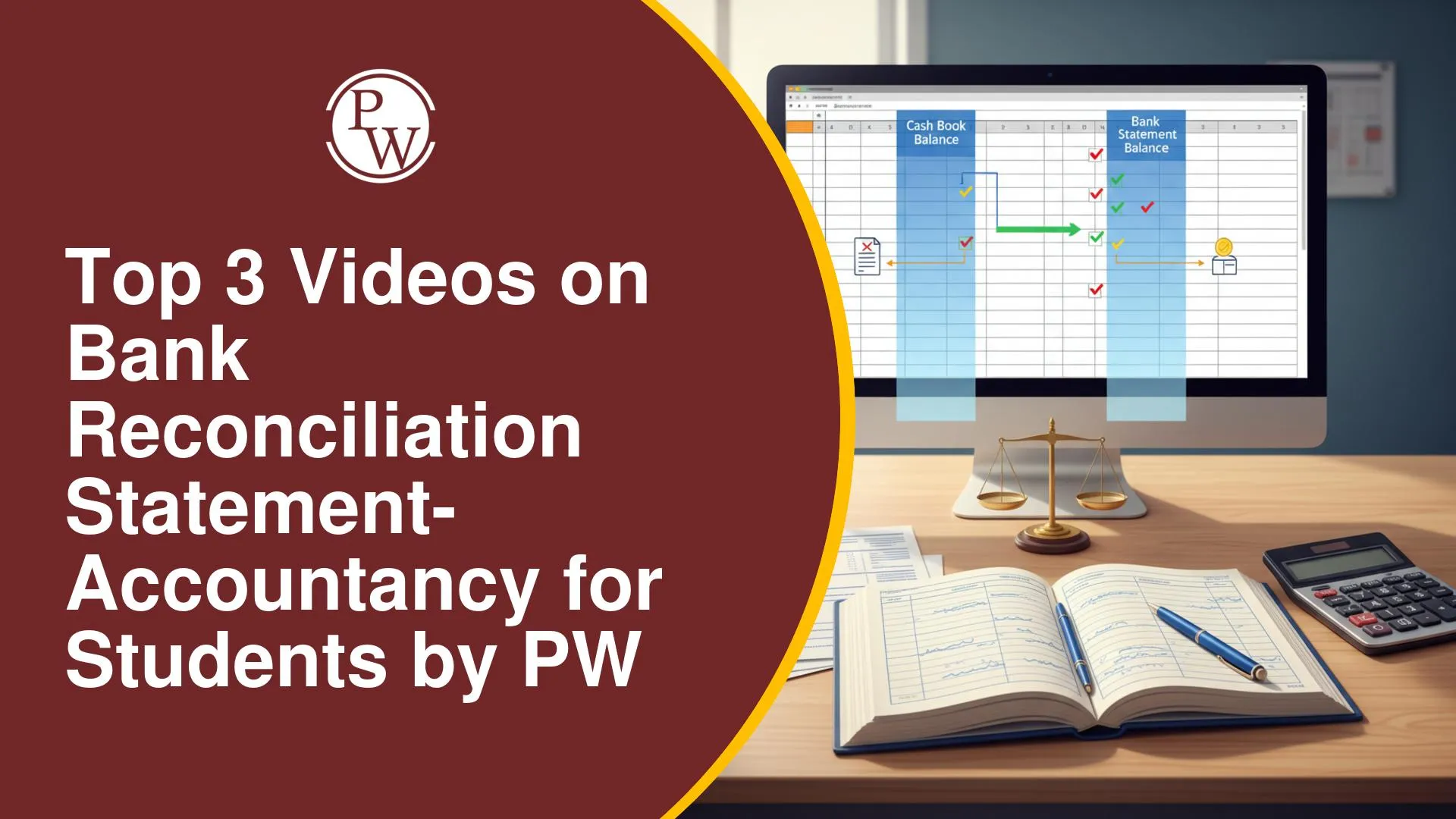
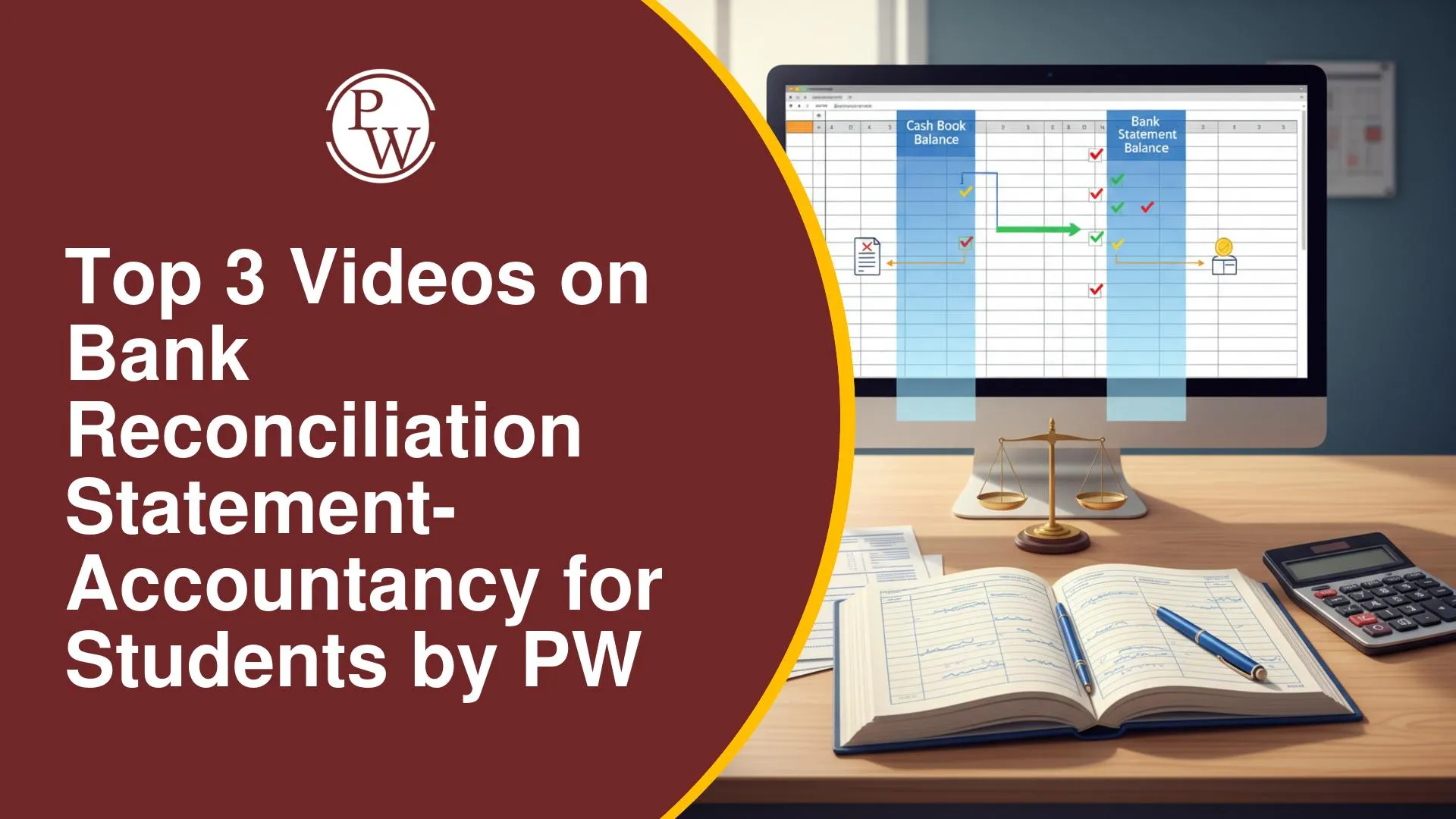
Bank Reconciliation Statement (BRS) can be confusing when you need to reconcile Cash Book and Pass Book balances and identify why they differ. Unpresented cheques, direct bank transactions, recording errors, and overdrafts can affect the final balance. Choosing the correct starting point and deciding whether to add or subtract an amount can also lead to mistakes in numerical questions.
Physics Wallah brings together three videos to help you understand BRS concepts, apply adjustment rules, and solve practical questions. You can begin with the meaning and format, move to important questions and previous-year questions, and finish with numerical revision. This approach helps you practise different balance situations and improve your accuracy for Class 11 Accountancy exams.
Video 1: Learn BRS Concepts, Adjustment Rules, and Numerical Methods
This one-shot video explains the meaning, objectives, need, and importance of a Bank Reconciliation Statement. It compares Cash Book and Pass Book balances and covers timing differences, unpresented and uncollected cheques, direct bank transactions, bank charges, interest, and errors. You also learn how debit and credit balances, overdrafts, and the plus-minus format affect BRS preparation through step-by-step numerical questions.
Use this video when you need to revise the main concepts and understand how different transactions affect the reconciled balance. The explanations and worked examples can help you connect adjustment rules with their practical application. The Class 11 Accountancy syllabus also identifies Bank Reconciliation Statement as part of the Accounting Process unit.
Video 2: Practise Important BRS Questions and Previous-Year Questions
Presented by Shivam Lotwani Sir, this exam-focused video revises Bank Reconciliation Statement through important questions and previous-year questions. It combines key theory points, short notes, and numerical problems to help you apply concepts while answering questions. The focus on written and numerical practice makes it useful for preparing for Class 11 school and CBSE-style Accountancy examinations.
Choose this video after revising the basic concepts or when you want to test your preparation before an exam. Working through the questions can help you recognise common problem types, recall adjustment rules, and improve your speed when solving numerical questions. You can reinforce the related accounting concepts using Class 11 Accountancy notes, which include BRS topics and examples.
Video 3: Revise BRS Formats, Balance Types, and Numerical Cases
This revision video covers the meaning and purpose of the Bank Reconciliation Statement, the differences between Cash Book and Pass Book balances, and debit and credit treatments. It explains business errors, bank errors, and timing differences before revisiting the BRS format, preparation rules, and starting balances. Three numerical cases cover positive Cash Book balances, positive Pass Book balances, and overdrafts.
Use this video when you know the basics and need to revise different balance situations. Comparing these cases helps you understand how the starting balance affects each adjustment and the final result. Recording of Transactions II topics in Class 11 Accountancy cover Cash Book formats and related accounting records, which provide useful background for understanding BRS questions.
Accurate BRS preparation depends on identifying each difference and applying the correct adjustment from the given starting balance. Use these Physics Wallah videos to revise the format, understand common causes of discrepancies, and practise numerical questions. Pay attention to whether each item increases or decreases the balance being reconciled, and check your calculations to build confidence before your Class 11 Accountancy exams.


Have questions about your prep?
Our experts can answer all your questions