Gentle Opposite Words - Definition, Uses, Examples
 Nikita Aggarwal6 May, 2026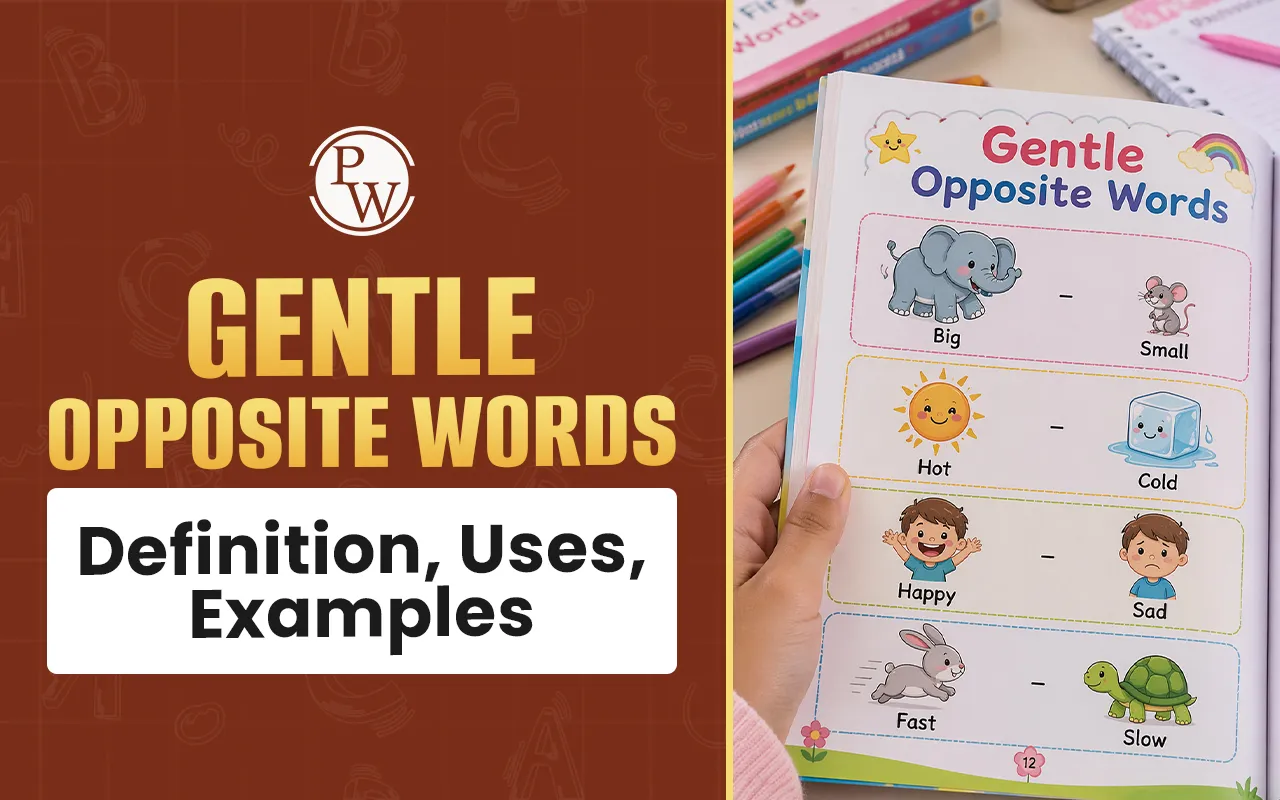
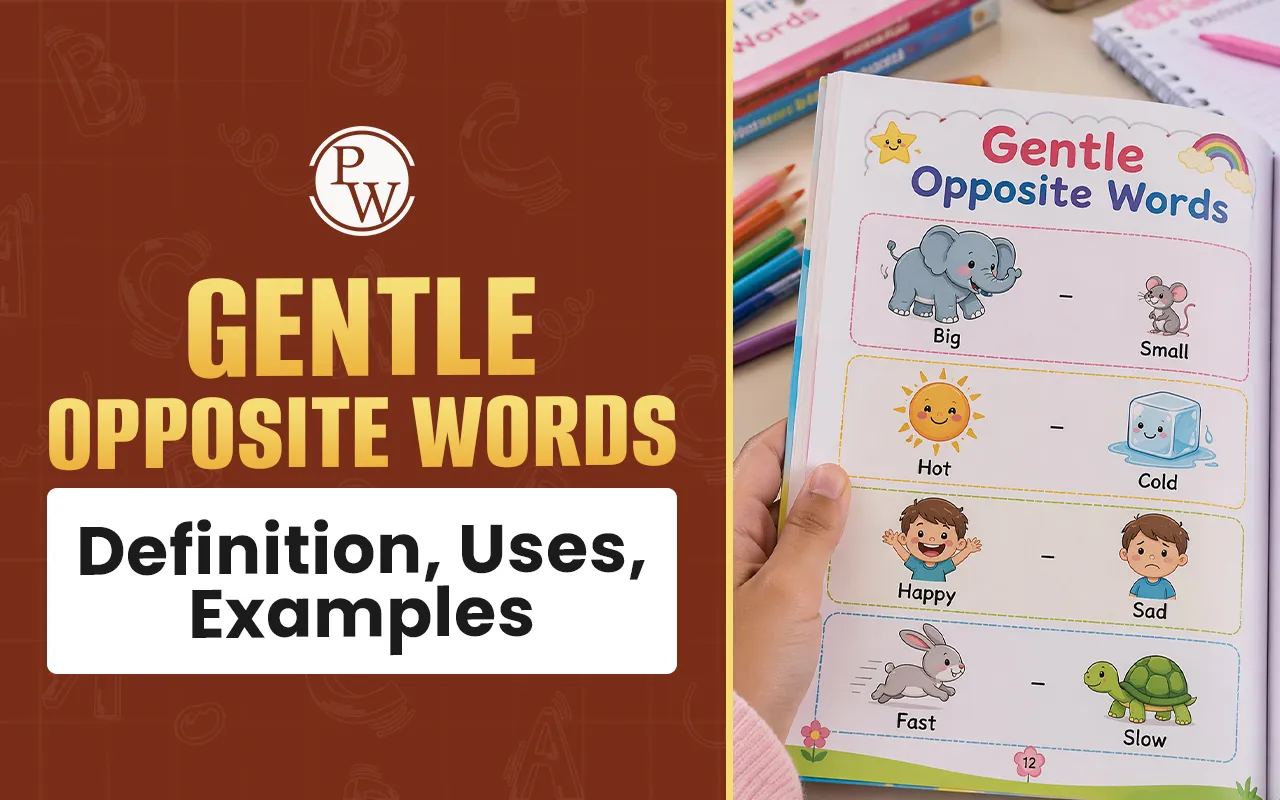
What are the Gentle Opposite Words?
To know what the opposite of gentle is, we need to know what it means. Someone or something that is gentle is mild, kind, soft, or careful in how they act or touch.
The opposite of gentle refers to things that don't have these traits. Something that is not gentle could be strong, harsh, rough, or mean. The opposite is true depending on the situation, like when you are talking about someone's behaviour, a physical texture, or a natural condition.
In short, the gentle opposite words definition refers to words used to describe qualities that are not calm, soft, or kind.
Gentle Opposite Words List
Depending on how you use the word, the opposite of gentle changes. Here are some antonyms for different situations:
|
Context |
Gentle (Word) |
Opposite (Antonym) |
|
Personality |
Kind / Mild |
Harsh / Cruel |
|
Texture |
Smooth / Soft |
Rough / Coarse |
|
Action |
Tender |
Violent / Forceful |
|
Weather |
Calm |
Fierce / Severe |
|
Sound |
Quiet / Soft |
Loud / Boisterous |
Read More - Opposite Words: Expand Your Vocabulary with 100+ Antonyms in English
Gentle Opposite Words Examples
Learning is easier when you can understand words in sentences. When you change "gentle" to its opposite, the meaning changes, as you can see in the examples below.
Using "Gentle"
-
The mother gave her baby a gentle kiss on the forehead.
-
We took a gentle stroll through the park on Sunday morning.
-
You must be gentle when holding a tiny chick.
-
A gentle slope made the hill easy to climb for the children.
Using "Rough" (Physical Opposite)
-
The rough bark of the old tree scratched my hand.
-
He was too rough with his toys and accidentally broke them.
-
The boat struggled to stay upright in the rough waters.
Using "Harsh" (Tone or Environment Opposite)
-
The teacher’s harsh tone surprised the quiet classroom.
-
Bright, harsh lights can sometimes cause a headache.
-
Living in the desert means dealing with harsh conditions.
Using "Fierce" (Intensity Opposite)
-
A fierce wind blew the hats off the pedestrians.
-
The lion let out a fierce roar to protect its territory.
-
They faced fierce competition during the school sports day.
Importance of Learning Gentle Opposite Words
Why should a student spend time learning what gentle's opposite words are? It is not just about passing an English test; it is about how we interact with the world.
-
Enhancing Descriptive Writing
If you only know the word, your stories might be a bit boring. Knowing words like 'fierce' or 'brutal' is really helpful. These words can add a lot of excitement to your stories. You can use 'gentle' and 'fierce' to create a difference in your writing. This makes your stories more captivating. It helps you create a picture that your reader can see in their mind.
-
Better Communication of Feelings
When you are feeling frustrated about something, saying it is "not gentle" does not always help people understand what you mean. If a person is "rough", it means they're displaying emotions in a way that's too strong. If they are being "harsh", the term means they are saying things that hurt your feelings. Using gentle opposite words in English, like "rough" and "harsh", helps people know exactly what you're talking about.
-
Understanding Social Boundaries
For children, learning about opposites is a big part of emotional development. It's beneficial for them to distinguish between a gentle touch and a rough touch. Such knowledge helps them be friends and get along with their family. Thus, learning about opposites like these is crucial for children.
Read More - Antonyms - Definition, Types, and Examples
Gentle Opposite Words Uses
Understanding how to use gentle opposites is super important when talking to people. When you use these words correctly, you can share your thoughts and feelings in a way. It helps you tell more captivating stories and explain how you feel simply.
-
In writing, using exact antonyms makes descriptions clearer and more vivid. For example, "a fierce wind howled" is a better way to say "strong wind."
-
In Science, words like "violent" or "gradual" help us better describe how strong reactions or physical changes are.
-
In social situations, kids learn what is and isn't okay by learning the difference between gentle and rough behaviour.
Practice Exercise of Gentle Opposite Words
Pick the word that's the opposite of the words in the brackets to finish each sentence.
Questions:
-
While the lamb is known for being gentle, the tiger is seen as __________. (fierce/soft)
-
Don't be so __________ with your notebook, or you will tear the pages! (gentle/rough)
-
The calm sea became __________ once the storm began. (violent/quiet)
-
Instead of a gentle whisper, he spoke in a __________ voice (harsh / tender)
-
The weather was __________ today, unlike a gentle breeze. (severe/mild)
Answers to Practice Exercise
Check how well you did by comparing your answers here:
-
Fierce (Describes the intense nature of a predator).
-
Rough (describes physical force that might cause damage).
-
Violent (describes the sudden, strong movement of the water).
-
Harsh (Describes a sound that is unpleasant or loud).
-
Severe (Describes extreme or intense weather conditions).
Build Your Child’s Spoken English Confidence with CuriousJr
Is your child hesitant to speak English or finding it hard to form sentences? This can impact their confidence, classroom participation, and overall communication. CuriousJr’s online English classes are thoughtfully designed to make learning simple, engaging, and results-driven.
The program covers key areas such as grammar, pronunciation, vocabulary building, and basic writing skills. Through interactive live sessions, children get consistent speaking practice under the guidance of experienced mentors. Engaging activities like games, storytelling, and writing exercises make learning enjoyable and effective. Parents also receive regular progress updates to stay informed about their child’s development.
With well-structured levels tailored to different learning paces, CuriousJr helps children build a strong foundation in English step by step. Book a demo class today and support your child in becoming a confident English speaker.
Gentle Opposite Words FAQs
What is the most common opposite word of gentle?
Can "violent" be used as the opposite of " gentle?
What are some easy opposites of gentle for people who are new to it?
What are some English words that mean the opposite of "gentle"?





 Live & recorded classes available at easeDashboard for progress trackingMillions of practice questions at your fingertips