






NCERT Solutions for Class 5 EVS Chapter 16 Who will do this Work?
NCERT Solutions for Class 5 EVS Chapter 16 highlights the respect for cleaners, instilling an appreciation for all jobs with thoughtful discussions and activities.
 Jasdeep Bhatia17 Jul, 2025
NCERT Solutions for Class 5 EVS Chapter 16
NCERT Solutions for Class 5 EVS Chapter 16 illuminates the daily efforts of cleaning workers, underscoring the theme of dignity in labour. These detailed solutions guide students to appreciate the critical roles these workers play in our day-to-day lives. Through engaging questions and comprehensive answers, Physics Wallah's expertly crafted solutions help students understand the complexities and significance of often overlooked jobs within our society. Continuing with the NCERT Class 5 curriculum, Physics Wallah ensures that the solutions for Chapter 16 are tailored to the CBSE guidelines, providing an educational pathway that instils both knowledge and respect. As students delve into the world of these essential workers, they develop a sense of gratitude for the services that maintain cleanliness and order, fostering an inclusive community spirit.NCERT Solutions for Class 5 EVS Chapter 16 Overview
Navigate the often-overlooked world of essential work with Physics Wallah's NCERT Solutions for Class 5 EVS Chapter 16. This chapter brings to light the invaluable contributions of cleaners, whose labour sustains our daily life. Through comprehensive explanations and contextual discussions, these solutions foster a deep respect and understanding of the dignity of all work. Illustrations and examples within the chapter help students appreciate the critical role of these workers in maintaining our environment. With Physics Wallah, learning transcends traditional boundaries, turning EVS into a platform for social awareness and empathy. "Who will do this work NCERT Solutions class 5 EVS" opens up conversations about the importance of every job, challenging students to consider the societal impact of each role. Discover the full spectrum of NCERT Solutions for Class 5 EVS Chapter 16 on PW's website, crafted for clarity and thorough academic inquiry. Engage with the content, partake in meaningful exercises, and use the available chat support to facilitate your educational journey and personal development.NCERT Solutions for Class 5 EVS Chapter 16 Who will do this Work?
Discover the realities of labour with NCERT Solutions for Class 5 EVS Chapter 16 'Who Will Do This Work?'. Delving into the daily lives of cleaning workers, these solutions offer Class 5 students thoughtful perspectives on the significance of such jobs. Each exercise from Class 5th EVS chapter 16 question answer with care, ensuring readiness for class assessments. Crafted by educational experts, the solutions are clear, accurate, and designed to engage students in meaningful reflection on the value of every job and the people who perform them.NCERT Solutions for Class 5 EVS Chapter 16 Page no: 147
NCERT Solutions for Class 5 EVS Chapter 16 Page no: 148
Write:
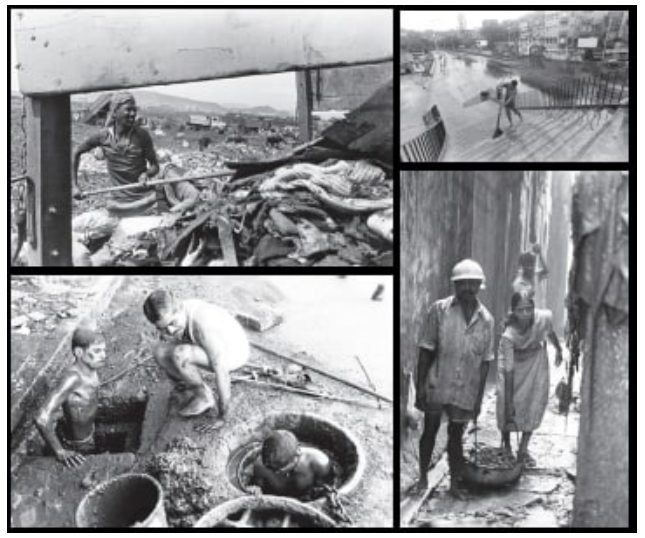
Talk with people who do the cleaning job around your house and school.NCERT Solutions for Class 5 EVS Chapter 16 Page no: 150
Discuss:
Q1. What kinds of work or jobs do people not want to do? Why? Ans: People often shy away from tasks that seem menial or don't utilize much mental skill, like sweeping and cleaning. Q2. So who does this kind of work? Why do people do this kind of work that others do not want to do? Ans: Typically, those from poorer backgrounds or with limited education take up such work due to their socioeconomic circumstances.Imagine:
Q1. What would happen if nobody did this work? If nobody cleared the garbage lying outside your school or your house for one week then what would happen? Ans: If these jobs were neglected, trash would accumulate, leading to foul odours and health hazards due to rotting waste.NCERT Solutions for Class 5 EVS Chapter 16 Page no: 151
Tell:
Q1. Why did Gandhiji and his team start doing the job of cleaning? What do you think about this?NCERT Solutions for Class 5 EVS Chapter 16 Page no: 153
Tell:
Q1. Who does the cleaning in your school? What all has to be cleaned?Discuss:
Q1. Do people look at different kinds of work in the same way? If not, why is this so? Why is it important to bring change?Importance of NCERT Solutions for Class 5 EVS Chapter 16
The NCERT Solutions for Class 5 EVS Chapter 16, 'Who Will Do This Work?', takes students through the unspoken narratives of everyday laborers. This chapter highlights the critical nature of jobs in cleanliness and maintenance, demonstrating the interdependence of society and labour. These Who will do this work PDF are an indispensable tool for understanding the essence of environmental studies. Devised by pedagogic experts, the answers provided help unravel the complexities of daily labour, presenting it with the nuance and respect it deserves. By engaging with these solutions, students are encouraged to look beyond the surface of menial work, fostering an appreciation for the individuals behind these tasks. The class 5 english chapter 16 question answer encourage learners to reflect on the roles that form the backbone of our daily lives, inspiring them to consider dignity in all forms of work and to cultivate a more inclusive perspective towards community members in all spheres of labour.Benefits of NCERT Solutions for Class 5 EVS Chapter 16
NCERT Solutions for Class 5 EVS Chapter 16, "Who Will Do This Work?", are indispensable for understanding the dignity of labour in our daily lives. Here’s why these class 5 evs chapter 16 question answer are so valuable:- Appreciation of Unseen Work : The chapter encourages students to recognize the importance of cleaning jobs, shedding light on the often invisible efforts that keep our surroundings habitable and pleasant.
- Respect for Labor : These solutions provide a clear view of the dedication and challenges faced by workers, fostering a sense of respect for all professions among young learners.
- Development of Empathy: By learning about the lives of daily laborers, students become more empathetic, acknowledging the hard work that goes into maintaining clean environments.
- Confidence in Social Studies : With comprehensive explanations, students approach social studies questions with greater confidence, ready to excel in their evaluations.
- Cultivation of Responsibility: The solutions prompt students to reflect on their own roles in contributing to a clean society, instilling a sense of personal responsibility.
- Engaging Educational Approach : Lively narratives and practical examples make the exploration of this subject matter interesting and relatable for students.
- Alignment with Curricular Goals : Conforming to CBSE standards, these solutions not only prepare students for their exams but also impart crucial life lessons about equality and community. Join Curious Junior Online Tuition Class Now!
Related Links -
NCERT Solutions for Class 5 EVS Chapter 16 FAQs
What does 'Who Will Do This Work?' teach us?
This chapter highlights the vital role of workers in maintaining cleanliness and the significance of acknowledging every job's value, showcasing respect for labour and social responsibility.
Why is recognizing the value of cleaning work important?
Acknowledging cleaning work emphasizes the importance of every contribution to society, fostering respect for all professions and understanding the dignity of labour.
How does learning about the lives of cleaners benefit students?
It encourages empathy, respect, and a deeper appreciation for the workers who contribute to our daily comfort and health, enhancing social awareness among students.
What activities can help students appreciate the work of cleaners?
Engaging in community cleanup projects, role-playing different jobs, and classroom discussions on the importance of various professions can help students value all types of work.
Why is it essential to discuss the importance of cleaning jobs in environmental studies?
Discussing cleaning jobs in environmental studies underlines the critical role these tasks play in public health and environmental preservation, teaching students about sustainability and community welfare.





Check out these Related Articles


Join 15 Million students on the app today!
 Live & recorded classes available at easeDashboard for progress trackingMillions of practice questions at your fingertips


Free Learning Resources
PW Books
Notes (Class 10-12)
PW Study Materials
Notes (Class 6-9)
Ncert Solutions
Govt Exams
Our Other Websites
Class 6th to 12th Online Courses
Govt Job Exams Courses
UPSC Coaching
Defence Exam Coaching
Gate Exam Coaching
Other Exams
Know about Physics Wallah
Physics Wallah is an Indian edtech platform that provides accessible & comprehensive learning experiences to students from Class 6th to postgraduate level. We also provide extensive NCERT solutions, sample paper, NEET, JEE Mains, BITSAT previous year papers & more such resources to students. Physics Wallah also caters to over 3.5 million registered students and over 78 lakh+ Youtube subscribers with 4.8 rating on its app.
We Stand Out because
We provide students with intensive courses with India’s qualified & experienced faculties & mentors. PW strives to make the learning experience comprehensive and accessible for students of all sections of society. We believe in empowering every single student who couldn't dream of a good career in engineering and medical field earlier.
Our Key Focus Areas
Physics Wallah's main focus is to make the learning experience as economical as possible for all students. With our affordable courses like Lakshya, Udaan and Arjuna and many others, we have been able to provide a platform for lakhs of aspirants. From providing Chemistry, Maths, Physics formula to giving e-books of eminent authors like RD Sharma, RS Aggarwal and Lakhmir Singh, PW focuses on every single student's need for preparation.
What Makes Us Different
Physics Wallah strives to develop a comprehensive pedagogical structure for students, where they get a state-of-the-art learning experience with study material and resources. Apart from catering students preparing for JEE Mains and NEET, PW also provides study material for each state board like Uttar Pradesh, Bihar, and others
Copyright © 2026 Physicswallah Limited All rights reserved.