






NCERT Solutions for Class 5 EVS Chapter 19 A Seed Tells a Farmer’s Story
 Jasdeep Bhatia5 Apr, 2024
NCERT Solutions for Class 5 EVS Chapter 19
NCERT Solutions for Class 5 EVS Chapter 19 unveils the life cycle of crops, reflecting a farmer's dedication to cultivation. These comprehensive solutions by Physics Wallah offer students an authentic glimpse into agricultural practices. Through immersive questions and elaborate answers, the educational materials crafted by experts at Physics Wallah encourage young minds to recognize the complexities and importance of farming. Aligned with the Class 5 CBSE curriculum, Physics Wallah's solutions for Chapter 19 are designed to provide clear, insightful learning experiences. Students gain an appreciation for the journey from seed to harvest, understanding the perseverance of farmers and the critical nature of their work in our ecosystem, and nurturing respect for agricultural pursuits.
NCERT Solutions for Class 5 EVS Chapter 19 Overview
Discover the fascinating journey from seed to harvest with Physics Wallah's NCERT Solutions for Class 5 EVS Chapter 19. This chapter delves into the intricacies of farming, celebrating the tireless work of farmers in nurturing our food sources. Detailed solutions bring clarity to the process of agriculture while thought-provoking discussions instill an appreciation for the craft of cultivation. Vibrant illustrations and real-life examples in the chapter help students understand the significance of agriculture in our lives. Physics Wallah elevates learning to a holistic experience, transforming EVS into an exploration of ecological connections and sustainability. Chapter 19 engages students with the life of a seed and the expertise of the farmer, fostering respect for the processes that sustain our food supply. Access the comprehensive spectrum of NCERT Solutions for Class 5 EVS Chapter 19 on PW's website, designed for in-depth understanding and meaningful educational growth. Dive into the narrative, participate in immersive activities, and utilise chat support to enhance both your academic path and understanding of nature's cycles.Related Links -
NCERT Solutions for Class 5 EVS Chapter 19 A Seed Tells a Farmer’s Story
Embark on an agricultural adventure with NCERT Solutions for Class 5 EVS Chapter 19 'A Seed Tells a Farmer’s Story'. Uncovering the journey from seed to sustenance, these solutions provide Class 5 students with real insights into farming life. Every exercise from Chapter 19 is meticulously solved, readying students for their evaluations. Authored by experts in education, the solutions are accurate and comprehensive and aim to instil an appreciation for the diligence of farmers and the importance of their work.NCERT Solutions for Class 5 EVS Chapter 19 Page no: 175
Tell:
Q1. Are rotis made in your home? From which grains are they made? Ans: In our house, we do make rotis. Mostly, we use wheat, and occasionally, rice and ragi. Q2. Have you eaten roti made from bajra or jowar? Did you like these? Ans: I've tried bajra and jowar rotis before. They tasted quite good.Find out and Write:
Q1. In your house what is done to protect grains and pulses from insects? Ans: We store our grains and pulses in sealed containers and sometimes sun-dry them to keep bugs away. Q2. Which are the different festivals related to farming celebrated in different seasons? Ans: We celebrate many agricultural festivals like Pongal, Lohri, Baisakhi, and Makar Sankranti. Makar Sankranti, known as Pongal in Tamil Nadu, happens in winter in states like Karnataka and Punjab, featuring special dishes like Yellu Bella. Q3. Talk to the elders in your family and find out if there were some special foods cooked earlier that are not cooked any more? Ans: Earlier, people made gruel from oats, wheat, rye, or rice, mixed with water or milk. Q4. Find out about the crops – cereals, vegetables, pulses – that are grown in your area. in your area. Of those, is there anything that is famous across the country? Can you recognise these grains? Ans: Our region grows wheat, coffee, pepper, bananas, and rice. Rice is well-known all over the country.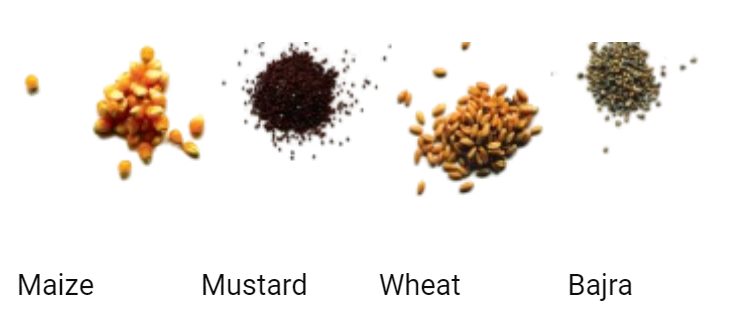
NCERT Solutions for Class 5 EVS Chapter 19 Page no: 177
Discuss:
Q1. The bajra seed saw differences in the way Damjibhai and Hasmukh did farming. What were these differences? Ans: Damjibhai used old methods like bullocks for ploughing and saved grains for seeds, while Hasmukh adopted modern techniques, including using a tractor and buying expensive fertilizers to increase crop yield. Q2. Hasmukh said, “With profits from our fields we can progress.” What is your understanding of ‘progress’? Ans: Progress means living better, like having access to education, healthcare, and nutritious food. Write: Q1. What kind of progress would you like to see in your area? Ans: I wish for advanced hospitals, improved roads, a reliable transport system, and quality schools.NCERT Solutions for Class 5 EVS Chapter 19 Page no: 178
Discuss and think:
Q1. What can happen to Hasmukh’s farm after some years? Ans: Over time, Hasmukh’s farm might become less fertile due to the chemical fertilizers used. Q2. Damjibhai’s son Hasmukh chose to become a farmer like his father. Hasmukh’s son Paresh is not a farmer but a truck driver. Why would he have done so? Ans: Paresh noticed the financial struggles in farming, which became expensive and less profitable, leading him to pursue truck driving instead. Q3. The seeds were not sure that what Hasmukh was talking about was really progress. What do you feel? Ans: Modern farming can harm the soil and make it barren, reduce jobs due to machinery, and lower groundwater levels. It seems like progress, but it may not be sustainable. Q4. Have there been any changes near your area which may be difficult to call ‘progress’? Ans: Yes, the increase in vehicles has made travel easier but also led to air and noise pollution. Also, machines replacing human jobs have caused unemployment.
NCERT Solutions for Class 5 EVS Chapter 19 Page no: 179
Project Work:
Q1. What questions come to your mind about farmers and farming? Write some questions in your group and ask a farmer. Ans: Questions for the Farmer:- How many different kinds of crops do you grow in a year?
- Which crop needs the most water, and how much does it need?
- What's the biggest challenge you face when farming?
- How do you decide when to plant each crop?
- Can you tell us about one of your longest days on the farm?
Importance of NCERT Solutions for Class 5 EVS Chapter 19
NCERT Solutions for Class 5 EVS Chapter 19, 'A Seed Tells a Farmer’s Story', takes students on a voyage through the life of a seed and the farmer's role in nurturing it. This chapter exposes the intricate processes behind agriculture and the perseverance of farmers. These solutions serve as an essential component in grasping the principles of environmental science. Formulated by educational specialists, the answers help demystify the process of farming, illustrating it with due significance. Delving into these solutions, students are prompted to understand the cycles of nature, gaining respect for the hands that till the land. The chapter's exercises allow learners to explore the journey of food from farm to table, instilling a holistic view of agriculture and an appreciation for the enduring efforts of farmers in shaping our world.Benefits of NCERT Solutions for Class 5 EVS Chapter 19
NCERT Solutions for Class 5 EVS Chapter 19, "A Seed Tells a Farmer’s Story," are vital for grasping the cycle of agriculture and the farmer's role in our ecosystem. Here's their significance:- Understanding of Agriculture: This chapter takes students through a seed's journey, emphasizing the careful work and knowledge of farmers, which is essential for crop production.
- Insight into Farming Life: The solutions reveal the challenges and strategies of farming, building respect for this foundational occupation among young students.
- Empathy for Farmers: Engaging with the farmer's story fosters empathy in students, recognizing the persistence needed to cultivate our food.
- Confidence in Environmental Science: Detailed explanations help students tackle environmental science with confidence, enhancing their academic prowess.
- Awareness of Food Production: Students learn about the origins of their food, fostering a sense of connection to and responsibility for the natural world.
- Interactive Learning: Rich storytelling and real-life scenarios engage students, making the study of agriculture an immersive experience.
- Curricular Relevance: Aligned with the CBSE syllabus, these solutions not only prepare students for exams but also deepen their understanding of sustainable living and food security.
NCERT Solutions for Class 5 EVS Chapter 19 FAQs
What does 'Who Will Do This Work?' teach us?
This chapter highlights the vital role of workers in maintaining cleanliness and the significance of acknowledging every job's value, showcasing respect for labour and social responsibility.
Why is recognizing the value of cleaning work important?
Acknowledging cleaning work emphasizes the importance of every contribution to society, fostering respect for all professions and understanding the dignity of labour.
How does learning about the lives of cleaners benefit students?
It encourages empathy, respect, and a deeper appreciation for the workers who contribute to our daily comfort and health, enhancing social awareness among students.
What activities can help students appreciate the work of cleaners?
Engaging in community cleanup projects, role-playing different jobs, and classroom discussions on the importance of various professions can help students value all types of work.
Why is it essential to discuss the importance of cleaning jobs in environmental studies?
Discussing cleaning jobs in environmental studies underlines the critical role these tasks play in public health and environmental preservation, teaching students about sustainability and community welfare.






Check out these Related Articles





Join 15 Million students on the app today!
 Live & recorded classes available at easeDashboard for progress trackingMillions of practice questions at your fingertips


Free Learning Resources
PW Books
Notes (Class 10-12)
PW Study Materials
Notes (Class 6-9)
Ncert Solutions
Govt Exams
Our Other Websites
Class 6th to 12th Online Courses
Govt Job Exams Courses
UPSC Coaching
Defence Exam Coaching
Gate Exam Coaching
Other Exams
Know about Physics Wallah
Physics Wallah is an Indian edtech platform that provides accessible & comprehensive learning experiences to students from Class 6th to postgraduate level. We also provide extensive NCERT solutions, sample paper, NEET, JEE Mains, BITSAT previous year papers & more such resources to students. Physics Wallah also caters to over 3.5 million registered students and over 78 lakh+ Youtube subscribers with 4.8 rating on its app.
We Stand Out because
We provide students with intensive courses with India’s qualified & experienced faculties & mentors. PW strives to make the learning experience comprehensive and accessible for students of all sections of society. We believe in empowering every single student who couldn't dream of a good career in engineering and medical field earlier.
Our Key Focus Areas
Physics Wallah's main focus is to make the learning experience as economical as possible for all students. With our affordable courses like Lakshya, Udaan and Arjuna and many others, we have been able to provide a platform for lakhs of aspirants. From providing Chemistry, Maths, Physics formula to giving e-books of eminent authors like RD Sharma, RS Aggarwal and Lakhmir Singh, PW focuses on every single student's need for preparation.
What Makes Us Different
Physics Wallah strives to develop a comprehensive pedagogical structure for students, where they get a state-of-the-art learning experience with study material and resources. Apart from catering students preparing for JEE Mains and NEET, PW also provides study material for each state board like Uttar Pradesh, Bihar, and others
Copyright © 2026 Physicswallah Limited All rights reserved.