Architecture in Maharashtra, Vernacular Architecture, Forts
 Bhavya Upadhyay8 Jun, 2024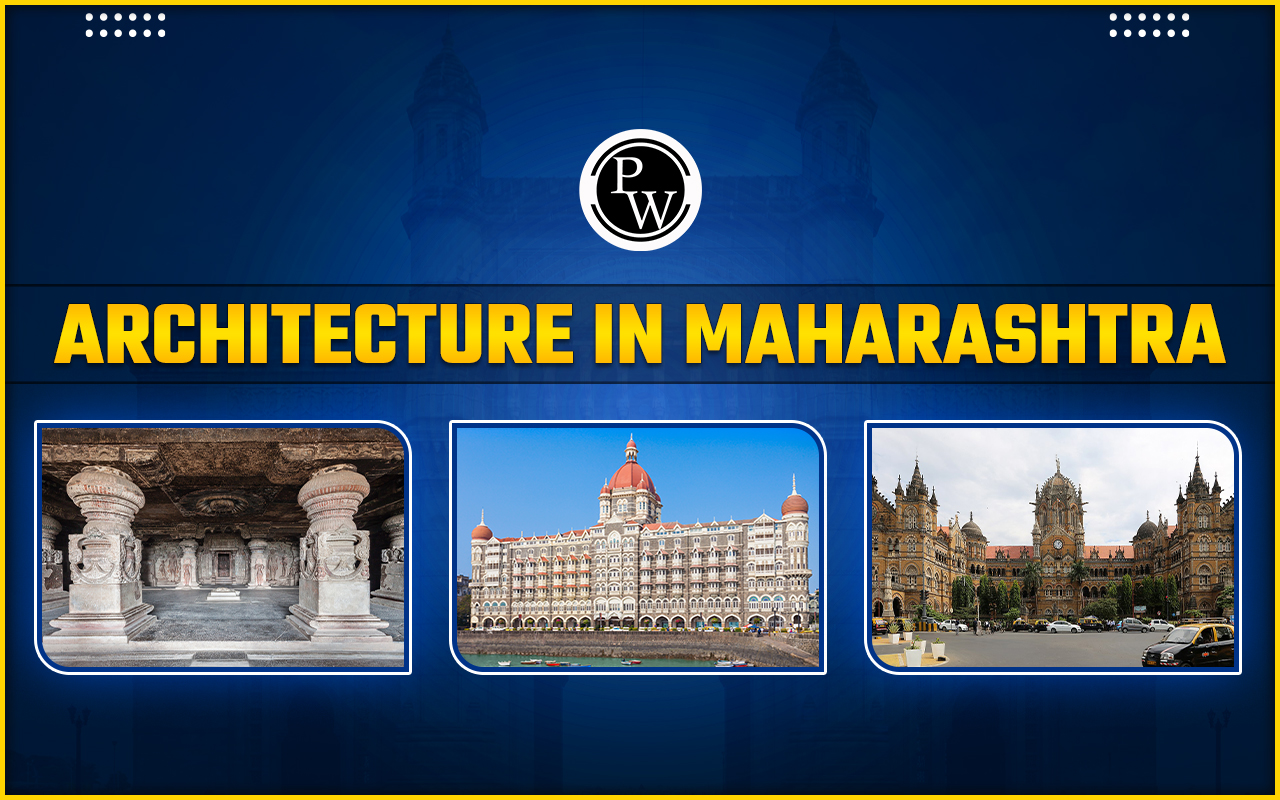
Architecture in Maharashtra: Maharashtra, a vibrant state in western India, is a treasure trove of architectural marvels that span centuries and civilizations. Its rich and diverse heritage is reflected in the myriad styles and structures that dot the landscape, from ancient rock-cut caves and majestic forts to grand temples and colonial-era buildings. Each architectural form tells a story of the region's historical, cultural, and geographical influences, blending indigenous traditions with external inspirations.
This blog explores the unique architecture of Maharashtra, delving into the types of stone used, iconic structures, and the vernacular designs that define this culturally rich state. Join us on a journey through time as we uncover the architectural splendors of Maharashtra.
Types of Stone Used for Architecture in Maharashtra
The use of stone has been instrumental in the development of Maharashtra's architectural heritage. Different types of stones have been utilized for various architectural elements, contributing to the distinct styles and durability of structures.
Pillars and Columns
Pillars and columns are fundamental elements in many of Maharashtra's historic structures, providing both structural support and aesthetic appeal.
- Basalt : This hard, volcanic rock is extensively used for pillars and columns, particularly in temple architecture and forts. Its durability makes it ideal for supporting large structures.
- Sandstone : Although less common than basalt, sandstone is occasionally used for columns, especially in regions near the borders of Madhya Pradesh and Gujarat.
Colonnades
Colonnades, rows of columns supporting an entablature, are prominent in many of Maharashtra's historical buildings.
- Granite : Known for its strength and aesthetic appeal, granite is often used in colonnades to provide a grand and imposing appearance.
- Laterite : In coastal regions, laterite is used for colonnades due to its availability and ease of carving.
Masonry and Stonework
The masonry and stonework in Maharashtra's architecture are characterized by precision and intricate designs.
- Basalt : Widely used in fort constructions and temple walls, basalt's hardness ensures the longevity of these structures.
- Laterite : Commonly used in vernacular architecture, laterite stonework is prevalent in coastal houses and smaller temples.
Corinthian Columns
Corinthian columns, distinguished by their ornate capitals decorated with acanthus leaves, are less common but can be found in some colonial-era buildings.
- Sandstone : The softer texture of sandstone allows for detailed carving, making it suitable for the intricate designs of Corinthian columns.
- Granite : Occasionally used for its durability and ability to hold fine detail, granite Corinthian columns can be found in some of the more elaborate colonial structures.
Architecture in Maharashtra Overview
Maharashtra's architectural heritage spans several centuries and encompasses a wide range of styles, reflecting the region's dynamic history and cultural diversity.
Rock-cut Architecture
The state is renowned for its ancient rock-cut caves, including the Ajanta and Ellora caves, which are UNESCO World Heritage Sites. These caves, dating back to the 2nd century BCE, showcase intricate carvings, sculptures, and paintings that reflect Buddhist, Hindu, and Jain traditions.
Temple Architecture
Maharashtra is home to numerous temples, each reflecting unique architectural styles. The Hemadpanthi style, prevalent during the Yadava dynasty, is characterized by intricate stone carvings and the use of black basalt. Temples such as the Aundha Nagnath Temple and the Ambreshwar Shiva Temple are exemplary of this style.
Maratha Forts
The Maratha Empire left a significant mark on Maharashtra's architecture, with forts like Raigad, Pratapgad, and Sinhagad showcasing strategic military architecture. These forts, built on hilltops, exemplify the use of natural terrain for defense purposes. The robust stonework, primarily using basalt, underscores the strength and resilience of these structures.
Colonial Architecture
The British colonial period introduced Gothic, Neo-Classical, and Indo-Saracenic styles to Maharashtra. Mumbai, in particular, features iconic colonial-era buildings like the Chhatrapati Shivaji Maharaj Terminus and the Gateway of India. These buildings incorporate Corinthian columns, colonnades, and intricate stonework, blending Western architectural elements with local materials and craftsmanship.
Top 10 Architecture in Maharashtra
1. Ajanta Caves
The Ajanta Caves, a UNESCO World Heritage Site, are a series of 29 rock-cut Buddhist cave monuments dating back to the 2nd century BCE to about 480 CE. Renowned for their exquisite frescoes and sculptures, these caves depict the life of Buddha and various Jataka tales. The caves are carved into a horseshoe-shaped cliff along the Waghora River and are a testament to the artistic and architectural brilliance of ancient India.
2. Ellora Caves
The Ellora Caves, another UNESCO World Heritage Site, are an extraordinary complex of 34 rock-cut temples and monasteries. These caves represent Buddhist, Hindu, and Jain traditions, showcasing the religious harmony of the time. The most famous of these is the Kailasa Temple (Cave 16), which is a single monolithic rock excavation. The intricate carvings and monumental scale of the Ellora Caves highlight the zenith of Indian rock-cut architecture.
3. Raigad Fort
Perched atop the Sahyadri mountain range, Raigad Fort served as the capital of the Maratha king Shivaji Maharaj. The fort is known for its strategic location, robust construction using basalt, and historical significance. Visitors can explore the remains of palaces, watchtowers, and the famous Hirakani Buruj. The fort offers panoramic views of the surrounding landscape, reflecting the ingenuity of Maratha military architecture.
4. Shaniwar Wada
Shaniwar Wada, a historical fortification in Pune, was the seat of the Peshwas of the Maratha Empire. Built in 1732, the fort's architecture features a blend of Mughal and Maratha styles. Though a fire in 1828 destroyed much of the fort, the remaining structures, including the grand entrance gate (Dilli Darwaza), gardens, and foundations, offer a glimpse into the grandeur of the Peshwa era.
5. Gateway of India
The Gateway of India, located in Mumbai, is an iconic arch monument built during the British colonial period. Constructed in 1924, this Indo-Saracenic structure combines elements of Hindu and Muslim architectural styles. The basalt and concrete arch stands 26 meters high and overlooks the Arabian Sea, symbolizing Mumbai's historical significance as a major port city.
6. Chhatrapati Shivaji Maharaj Terminus
Chhatrapati Shivaji Maharaj Terminus (CSMT), formerly known as Victoria Terminus, is a UNESCO World Heritage Site and a historic railway station in Mumbai. Designed by British architect Frederick William Stevens, the Gothic Revival structure, completed in 1887, features stunning turrets, pointed arches, and stained glass windows. CSMT is an outstanding example of Victorian Gothic architecture in India.
7. Bibi Ka Maqbara
Bibi Ka Maqbara, located in Aurangabad, is often referred to as the "Taj of the Deccan" due to its striking resemblance to the Taj Mahal. Built by Aurangzeb's son, Azam Shah, in memory of his mother, Dilras Banu Begum, this mausoleum showcases Mughal architecture with its elegant domes, minarets, and intricate carvings. The white marble structure set amidst well-maintained gardens is a beautiful tribute to Mughal architectural legacy.
8. Siddhivinayak Temple
The Siddhivinayak Temple in Mumbai is one of the most revered Hindu temples dedicated to Lord Ganesha. Originally built in 1801, the temple has undergone several renovations and expansions. The temple's architecture features a gold-plated dome and a central statue of Ganesha carved from a single black stone. It is a major pilgrimage site and attracts devotees from all over the country.
9. Pratapgad Fort
Pratapgad Fort, situated in the Satara district, is famous for the historic Battle of Pratapgad fought between Shivaji Maharaj and Afzal Khan in 1659. The fort, constructed using basalt, is strategically built on a hilltop and offers stunning views of the Western Ghats. Key attractions include the Mahadev Temple, Bhavani Temple, and the 17-meter-high statue of Shivaji Maharaj.
10. Elephant Caves
The Elephant Caves, located on Elephanta Island near Mumbai, are a network of sculpted caves dedicated primarily to Hindu deities. These rock-cut caves, believed to date back to the 5th to 8th centuries, are famous for their impressive carvings, including the iconic three-headed Shiva sculpture (Trimurti). The caves, carved from solid basalt rock, reflect the artistic and spiritual heritage of ancient India.
Vernacular Architecture in Maharashtra
Vernacular architecture in Maharashtra is deeply rooted in the local climate, materials, and cultural practices. Some key features include:Wadas
Traditional courtyard houses found in the Konkan region and Pune, characterized by their wooden construction, multiple courtyards, and intricate woodwork. These houses are designed to accommodate large families and social gatherings, reflecting the communal lifestyle of the region.Deccan Plateau Houses
Constructed using locally available basalt and laterite, these houses are designed to be cool in summer and warm in winter, with thick walls and small windows. The use of stone ensures durability and thermal efficiency.Coastal Houses
In the coastal regions, houses are built with laterite stone and thatched roofs to withstand heavy monsoon rains. These houses often feature open verandahs and large courtyards, providing ventilation and space for social activities.Tribal Architecture
The tribal communities of Maharashtra, such as the Warli and Bhil, have unique architectural styles that incorporate natural materials like bamboo, mud, and thatch. Their structures are often designed to be in harmony with the surrounding environment, reflecting sustainable building practices.Conclusion of Architecture in Maharashtra
The architectural heritage of Maharashtra is a testament to its rich history, cultural diversity, and the ingenuity of its people. From ancient rock-cut caves to grand temples, formidable forts, and colonial-era buildings, the state's architectural landscape offers a fascinating glimpse into the past. The use of locally available stones, coupled with adaptations to local climates and traditions, has resulted in a unique and enduring architectural legacy. As Maharashtra continues to evolve, its architectural heritage remains a vital link to its storied past, offering inspiration and insight for future generations.Architecture in Maharashtra FAQs
Q.1 What is the famous architecture of Maharashtra?
Q.2 Who is the best architect in Maharashtra?
Q.3 What is the Maratha style of architecture?
Q.4 What is the architecture of houses in Maharashtra?
Q.5 Which art is famous in Maharashtra?


 Live & recorded classes available at easeDashboard for progress trackingMillions of practice questions at your fingertips