






Architecture in Uttar Pradesh, Famous & Buddhist Architecture
 Bhavya Upadhyay5 Jun, 2024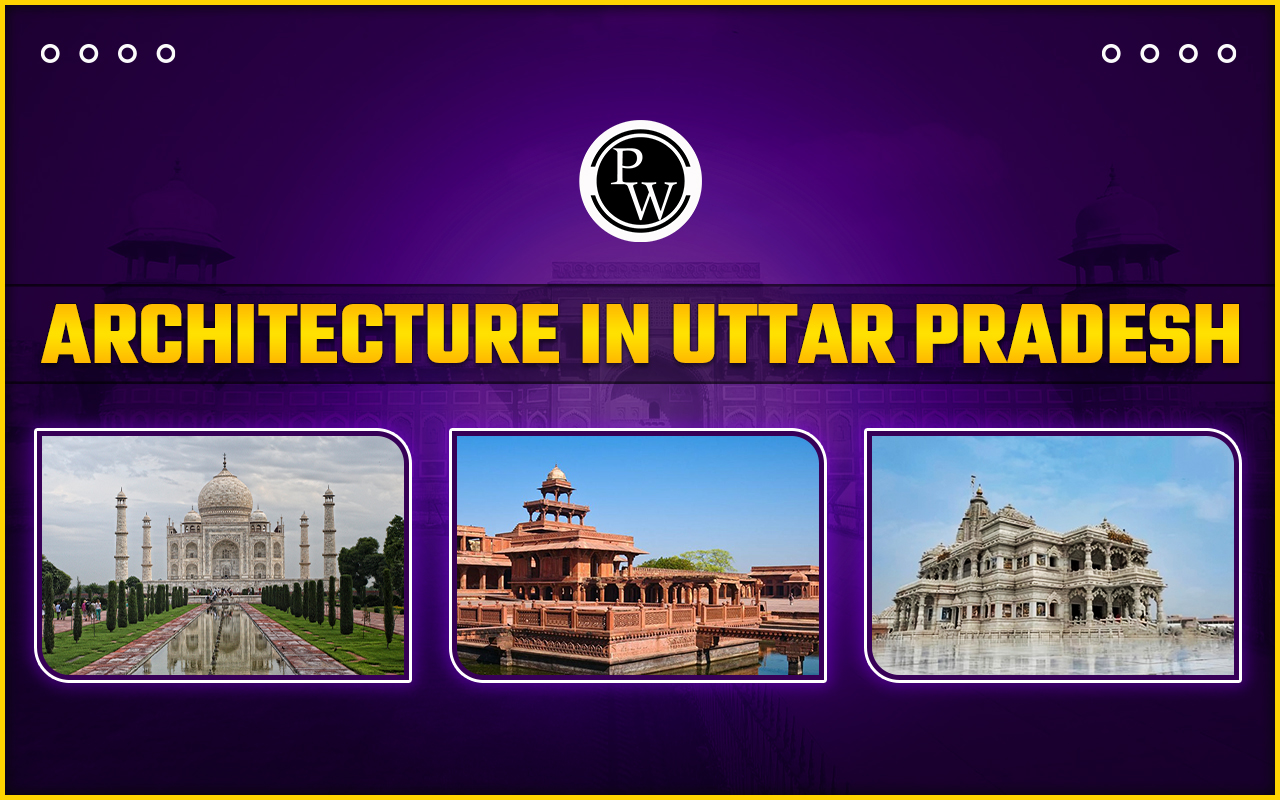
Architecture in Uttar Pradesh: Uttar Pradesh, often referred to as the heartland of India, boasts a rich tapestry of architectural marvels that span centuries and styles. From the grandeur of Mughal structures to the serenity of Buddhist stupas, and the intricate carvings of Hindu temples to the imposing forts of ancient dynasties, the state's architectural heritage is a testament to its diverse cultural history. This blog delves into the myriad architectural wonders of Uttar Pradesh, exploring the stories, craftsmanship, and historical significance behind each iconic structure. Join us on a journey through time as we uncover the architectural gems that make Uttar Pradesh a treasure trove of historical and cultural splendor.
Uttar Pradesh, the most populous state in India, boasts a rich and diverse architectural heritage. From ancient monuments to colonial structures, the state's architectural landscape is a testament to its historical and cultural significance. This blog delves into the various architectural styles that have flourished in Uttar Pradesh, tracing their origins and highlighting their unique features.
Architecture in Uttar Pradesh Overview
Uttar Pradesh, historically known as the cultural heartland of India, has been a cradle of civilization and a melting pot of diverse architectural styles. Its architecture reflects the confluence of different dynasties and cultures, each leaving an indelible mark on the state's architectural heritage. From the intricate carvings of ancient temples to the grand edifices of the Mughal era and the elegant structures of the British colonial period, Uttar Pradesh offers a visual feast for architecture enthusiasts.
British Colonial Period Architecture in Uttar Pradesh
The British colonial period introduced a new architectural style to Uttar Pradesh, characterized by grand public buildings, educational institutions, and residential quarters. This period saw the blending of Gothic, Victorian, and Neo-Classical styles, adapted to suit the Indian climate and aesthetics.
Allahabad High Court
An impressive example of colonial architecture with its red brick facade and classical details. Built in 1916, it reflects the Edwardian Baroque style, with grand staircases and spacious interiors.
Lucknow Residency
The site of the 1857 uprising, showcasing British residential architecture with a blend of Indian elements. The complex includes numerous buildings and memorials set within lush gardens, reflecting the colonial lifestyle.
Christ Church College, Kanpur
Reflects Gothic Revival architecture with its pointed arches, detailed stonework, and stained-glass windows. Established in 1866, it exemplifies the adaptation of British ecclesiastical architecture to the Indian context.
These structures symbolize the fusion of European architectural styles with Indian craftsmanship, creating unique edifices that stand as historical landmarks today.
Ancient Architecture in Uttar Pradesh
Ancient architecture in Uttar Pradesh dates back to the Vedic period, with significant contributions from the Maurya, Gupta, and other early dynasties. The architectural styles of this era are characterized by their simplicity, elegance, and intricate detailing.
Ashokan Pillars
Erected by Emperor Ashoka, these pillars, such as the one at Sarnath, are remarkable for their polished sandstone and intricate carvings. The Lion Capital of Ashoka, which features four lions standing back to back, is a prominent example and is now the national emblem of India.
Gupta Temples
Known for their simple yet elegant structures, such as the Dashavatara Temple in Deogarh. This temple features exquisite carvings depicting scenes from Hindu mythology, showcasing the artistic excellence of the Gupta period.
Kushinagar Stupas
Stupas like the Parinirvana Stupa, where Lord Buddha is believed to have attained nirvana, are significant examples of ancient Buddhist architecture, characterized by their large, domed structures and serene surroundings.
These ancient structures provide insight into the early architectural practices and religious influences of the region.
Buddhist Architecture in Uttar Pradesh
Uttar Pradesh holds a special place in Buddhist architecture, being home to several significant Buddhist sites. These structures are notable for their simplicity, symbolism, and historical importance.
Sarnath
The Dhamek Stupa and Ashoka Pillar mark the site where Buddha delivered his first sermon. The stupa's massive stone structure, adorned with intricate carvings, and the Ashoka Pillar, with its inscribed edicts, are key highlights.
Kushinagar
The Parinirvana Stupa and Temple commemorate Buddha's passing. The stupa houses a large, reclining statue of Buddha, made of monolithic red sandstone, representing his final moments and ultimate nirvana.
Sankisa
Known for the Asokan Elephant Pillar, Sankisa is another important Buddhist site. The pillar, topped with a carved elephant, marks the place where Buddha is believed to have descended from heaven after preaching to his mother.
These sites not only reflect the spiritual and religious fervor of the era but also showcase the architectural prowess of ancient builders.
Hindu Architecture in Uttar Pradesh
Hindu architecture in Uttar Pradesh is exemplified by its magnificent temples, known for their intricate carvings, grandiose structures, and vibrant religious significance.
Kashi Vishwanath Temple, Varanasi
One of the most revered temples dedicated to Lord Shiva, featuring a gold-plated spire and detailed sculptures. The temple complex, situated on the banks of the Ganges, is a major pilgrimage site and a center of spiritual energy.
Krishna Janmabhoomi, Mathura
Believed to be the birthplace of Lord Krishna, this site includes a temple complex with beautifully carved pillars, sanctuaries, and shrines depicting scenes from Krishna's life.
Vindhyachal Temple, Mirzapur
Dedicated to Goddess Vindhyavasini, this temple is known for its elaborate carvings and religious festivals, attracting thousands of devotees during Navratri.
These temples are not just places of worship but also architectural marvels that attract pilgrims and tourists alike.
Indo-Islamic Architecture in Uttar Pradesh
The Indo-Islamic architecture of Uttar Pradesh is a blend of Islamic and Indian styles, developed during the Delhi Sultanate and Mughal Empire. These structures are known for their grandeur, intricate detailing, and harmonious proportions.
Taj Mahal, Agra
A UNESCO World Heritage Site, this white marble mausoleum is renowned for its symmetrical beauty, intricate inlay work, and serene gardens. Built by Emperor Shah Jahan in memory of his wife Mumtaz Mahal, it is a masterpiece of Mughal architecture.
Fatehpur Sikri
Built by Emperor Akbar, this city features stunning structures like the Buland Darwaza, Jama Masjid, and the Panch Mahal. The red sandstone buildings showcase a blend of Persian, Indian, and Islamic architectural styles.
Bara Imambara, Lucknow
Known for its massive central hall, which is one of the largest arched constructions without supporting beams. The monument, built by Nawab Asaf-ud-Daula, also features the Bhool Bhulaiya (labyrinth) and intricate decorative elements.
These monuments reflect the grandeur and sophistication of Mughal and Sultanate architecture, with their detailed craftsmanship and monumental scale.
Christianity-Based Monumental Architecture in Uttar Pradesh
Christian architecture in Uttar Pradesh primarily includes churches built during the British colonial period. These structures are characterized by their Gothic Revival and Neo-Gothic styles, incorporating pointed arches, ribbed vaults, and flying buttresses.
St. Joseph's Cathedral, Lucknow
This Gothic Revival church features a striking facade, beautiful stained-glass windows, and a tall spire. It serves as the seat of the Roman Catholic Diocese of Lucknow.
All Saints' Cathedral, Allahabad
Known as the "Patthar Girja" (Stone Church), it showcases Gothic architecture with its pointed arches, ribbed vaults, and intricate stone carvings. Built in the late 19th century, it is a prominent landmark in the city.
St. John's Church, Meerut
One of the oldest churches in North India, built in 1819, reflecting a blend of Gothic and colonial architectural elements.
These churches highlight the adoption and adaptation of European architectural styles in India, serving as places of worship and historical landmarks.
Architectural Buildings in Uttar Pradesh
Uttar Pradesh is home to numerous architectural buildings that reflect its diverse cultural heritage. These structures range from grand forts to exquisite palaces and historical monuments.
Agra Fort
A UNESCO World Heritage Site, this massive red sandstone fort is a fine example of Mughal architecture. It contains several impressive buildings such as the Jahangir Palace, Khas Mahal, and the Diwan-i-Khas.
Chunar Fort
Overlooking the Ganges, this fort has a rich history and features a blend of Hindu and Mughal architectural styles. It has been a strategic military site since ancient times, with structures added by various rulers over centuries.
Rumi Darwaza, Lucknow
Often compared to the Gateway of Constantinople, this colossal gate is a symbol of Lucknow's architectural splendor. Built during the reign of Nawab Asaf-ud-Daula, it is an excellent example of Awadhi architecture with intricate ornamentation.
These buildings are testaments to the state's historical significance and architectural diversity.
Some Cities of Historical Importance and Architecture in Uttar Pradesh
Several cities in Uttar Pradesh are renowned for their historical and architectural importance. These cities offer a rich tapestry of cultural heritage and architectural marvels.
Varanasi
Known as the spiritual capital of India, it is famous for its ghats, temples, and the Kashi Vishwanath Temple. The city is a center of Hindu pilgrimage and cultural traditions, with a history dating back thousands of years.
Agra
Home to the iconic Taj Mahal, Agra Fort, and Fatehpur Sikri, it is a major tourist destination. The city's Mughal architecture attracts millions of visitors each year, making it a focal point of historical and architectural studies.
Lucknow
The city of Nawabs, known for its Indo-Islamic architecture, including the Bara Imambara, Chota Imambara, and Rumi Darwaza. Lucknow's rich cultural heritage is reflected in its cuisine, music, and dance forms.
Mathura
The birthplace of Lord Krishna, it is dotted with ancient temples and sacred sites. The city's architectural heritage includes the Krishna Janmabhoomi temple complex and numerous other shrines dedicated to Krishna's life and legends.
These cities offer a glimpse into the rich architectural heritage and cultural history of Uttar Pradesh, making them must-visit destinations for history and architecture enthusiasts.
Conclusion to Architecture in Uttar Pradesh
The architecture of Uttar Pradesh is a tapestry woven with the threads of various cultures, dynasties, and religions. Each architectural style tells a story of its time, contributing to the state's rich and diverse heritage. Whether you are an admirer of ancient temples, Mughal marvels, or colonial edifices, Uttar Pradesh has something to offer for every architectural aficionado.
Architecture in Uttar Pradesh FAQs
Q.1 What is the famous architecture of Uttar Pradesh?
Q.2 What is the style of architecture in UP?
Q.3 What is the main monument of Uttar Pradesh?
Q.4 What is the architecture of Lucknow?
Q.5 What type of architecture is in Varanasi?












 Live & recorded classes available at easeDashboard for progress trackingMillions of practice questions at your fingertips

