






Culture of Bihar, Specialty, Importance, Famous Festival
 Bhavya Upadhyay23 May, 2024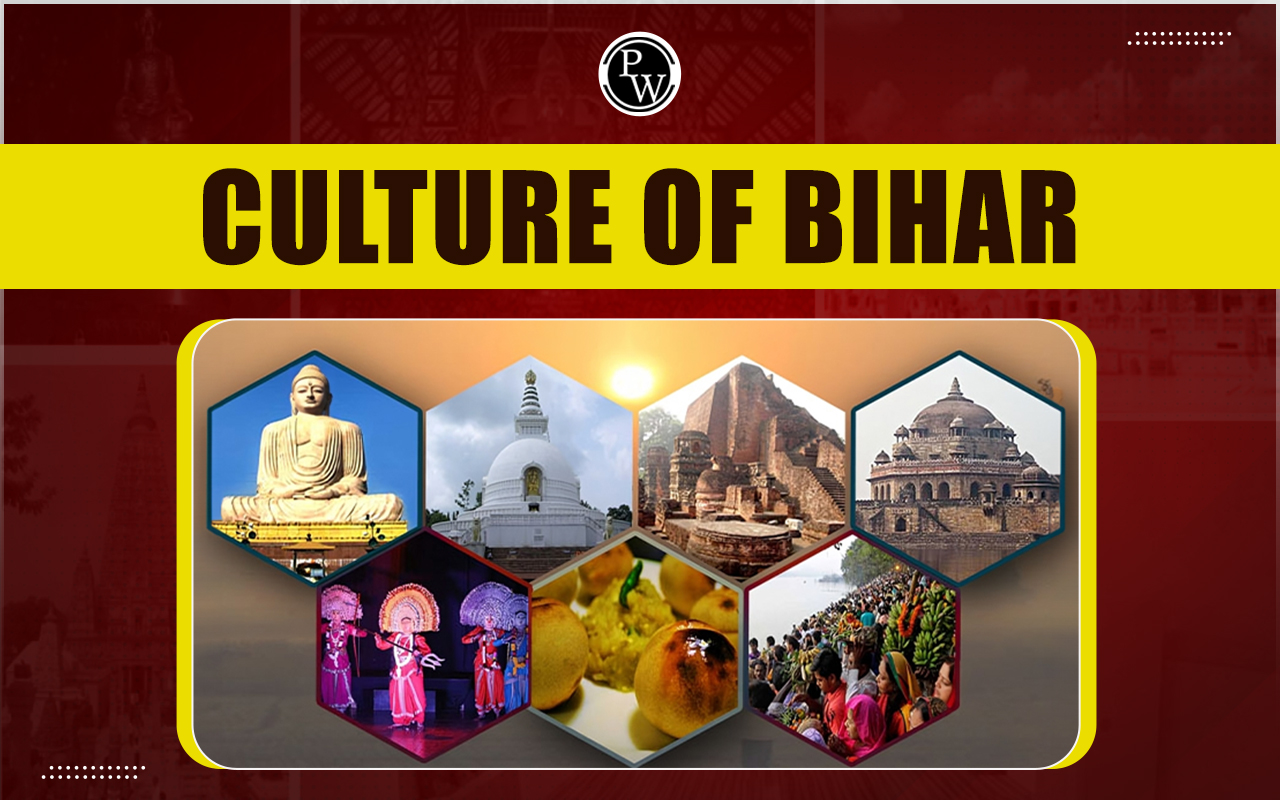
Culture of Bihar: Nestled in the heart of eastern India, Bihar stands as a testament to the richness of the country's cultural heritage. From ancient civilizations to modern-day marvels, where each step unravels a tale of tradition, diversity, and resilience. It's a place where you can step back in time and discover a world of traditions, different ways of life, and stories that have been passed down for generations.
The culture of Bihar is a vibrant tapestry woven with threads of tradition, innovation, and resilience, embodying the spirit of a land steeped in history and heritage. As Bihar continues to evolve and embrace modernity, its cultural legacy remains an enduring beacon, guiding future generations on a journey of discovery and appreciation. In this blog, we're going to take a closer look at what makes Bihar's culture so special. From the fun festivals to the delicious food, the beautiful art, and the interesting buildings, there's so much to explore. So, come along with us as we dive into the colorful world of Bihar's heritage!What is Bihar famous for?
Bihar, in eastern India, is renowned for its rich cultural heritage. From religious diversity showcased in revered sites like Bodh Gaya to vibrant festivals such as Chhath Puja and Sonepur Mela, Bihar's culture is a celebration of tradition and faith.
Literature thrives in languages like Maithili and Bhojpuri, with literary luminaries like Vidyapati Thakur leaving a lasting legacy. The cuisine is a delightful blend of simplicity and flavor, featuring dishes like Litti Chokha and Sattu Paratha. Art and craft traditions, including Madhubani painting and Tikuli art, reflect the region's creativity and storytelling prowess. Meanwhile, folk music and dance forms like Jat-Jatin and Bidesia add rhythm and color to everyday life.
In essence, Bihar's culture is a vibrant tapestry woven with the threads of history, faith, and creativity, making it a captivating destination for cultural enthusiasts and travelers alike.
What is the Traditional Culture of Bihar?
The main culture of Bihar is deeply rooted in its religious diversity, traditional practices, and rich heritage. Hinduism, Buddhism, Jainism, and Sikhism have all flourished in Bihar, leaving a significant imprint on its cultural landscape.
Key aspects of Bihar's culture include:
- Religious Sites : Bihar is home to revered religious sites such as Bodh Gaya, where Buddha attained enlightenment; Nalanda, an ancient center of learning; and Vaishali, significant in both Jainism and Buddhism.
- Festivals : Festivals like Chhath Puja, Sonepur Mela, and Teej are celebrated with great enthusiasm, reflecting the religious and cultural fabric of the state.
- Literature and Language : Languages like Maithili and Bhojpuri thrive in Bihar, with a rich literary tradition that includes renowned figures like Vidyapati Thakur and Ramdhari Singh 'Dinkar'.
- Cuisine : Bihari cuisine is known for its simplicity and delicious flavors, with dishes like Litti Chokha and Sattu Paratha being popular staples.
- Arts and Crafts : Bihar is famous for its folk art and crafts, including Madhubani painting, Tikuli art, and Manjusha art, which depict scenes from mythology and daily life.
- Music and Dance : Bihari folk music and dance forms like Jat-Jatin and Bidesia are integral parts of the cultural expression, reflecting the joys and sorrows of the people.
Overall, Bihar's culture is a vibrant tapestry woven from the threads of religious beliefs, artistic expression, and traditional practices, making it a unique and diverse cultural hub in India.
What is the Cultural Symbol of Bihar?
The Bodhi Tree in Bodh Gaya serves as Bihar's iconic cultural symbol. Believed to be the site of Buddha's enlightenment, it holds profound spiritual significance worldwide. As a pilgrimage site, it represents Bihar's heritage as the birthplace of Buddhism and symbolizes enduring values of compassion and inner peace.
What is the Main Festival of Bihar?
Among the myriad festivals celebrated in Bihar, Chhath Puja reigns supreme as the main festival. This ancient Hindu festival, dedicated to the worship of the Sun God, is celebrated with devotion across the state. During Chhath Puja, people offer prayers to the setting sun, expressing gratitude for life-sustaining energy and seeking blessings for prosperity and well-being. The rituals involve fasting, bathing in holy rivers, and making offerings of fruits and sweets to the Sun God. Chhath Puja is not just a religious observance but also a cultural extravaganza, showcasing Bihar's rich traditions, music, dance, and community spirit. It holds deep cultural significance, uniting people across different social strata in a shared celebration of faith and devotion.
Culture of Bihar Drawing
The essence of Bihar's culture in their drawings, from depicting rural life and folk traditions to illustrating historical landmarks, these artworks serve as visual narratives that celebrate the state's cultural heritage.
- Madhubani Art : Originating from the Mithila region, these vibrant paintings depict scenes from Hindu mythology and everyday life with intricate patterns and bold colors.
- Rural Life : Artists portray the simplicity and resilience of village life, capturing scenes of farmers, women carrying water pots, and the charm of mud houses.
- Folk Traditions : Drawings illustrate the joyous celebrations of Chhath Puja, Sama Chakeva dances, and vibrant festivals like Holi and Diwali, immortalizing Bihar's cultural fervor.
- Historical Landmarks : Depictions of ancient ruins like Nalanda, Vikramshila, and majestic temples such as Mahabodhi and Vishnupad honor Bihar's rich architectural and religious heritage.
Food and Culture of Bihar
Bihar's culinary heritage is deeply intertwined with its cultural identity, featuring:
- Litti-Chokha: A quintessential dish representing Bihar's culinary tradition, consisting of roasted wheat dough balls (litti) served with spiced mashed vegetables (chokha).
- Sattu: A nutritious flour made from roasted grams, widely used in Bihari cuisine to make parathas, drinks, and snacks.
- Bihari Thali: A wholesome meal comprising dal, rice, vegetable curry, pickles, and roti, reflecting Bihar's love for simple yet flavorful dishes.
- Makhana: Renowned for its production of foxnuts, Bihar incorporates makhana into various snacks and sweets, adding a unique texture and flavor to its cuisine.
-
Pitha: Traditional Bihari dumplings made from rice flour and filled with sweet or savory fillings, enjoyed during festivals and special occasions.
Arts and Crafts in Culture of Bihar
Bihar's arts and crafts are not just creative expressions but also a source of livelihood and cultural pride for its artisans.:- Madhubani Painting: Renowned for its intricate patterns and vibrant colors, depicting themes from mythology and nature.
- Sikki Grass Products: Handcrafted items made from Sikki grass, including baskets, mats, and decorative pieces.
- Stone Carving: Ancient stone carvings depict religious symbols and scenes from mythology.
- Terracotta Sculptures: Clay sculptures adorned with vibrant colors reflect Bihar's cultural ethos.
- Bamboo and Cane Crafts: Artisans weave bamboo and cane into furniture, baskets, and mats, showcasing their versatility.
- Paper Mache: Colorful decorative items and masks crafted from paper pulp.
- Tussar Silk Weaving: Exquisite silk sarees handwoven in Bhagalpur, known for their intricate designs.
- Pottery: Traditional pottery reflects Bihar's rural life and artistic sensibilities.
Sculptures and Architecture of Bihar
Bihar's sculptures and architecture are not just relics of the past but living testaments to its enduring cultural heritage and architectural brilliance:- Buddhist Monuments: Iconic sites like Bodh Gaya, Nalanda, and Vikramshila showcase Bihar's role in Buddhist learning and spirituality.
- Hindu Temples: From the Vishnupad Temple in Gaya to the Mundeshwari Temple in Kaimur, Bihar boasts ancient temples reflecting Hindu architectural splendor.
- Islamic Architecture: Landmarks like the Sher Shah Suri Masjid in Patna and the Khuda Baksh Oriental Library exhibit Bihar's Islamic architectural legacy.
- Forts and Palaces: Rohtas Fort and Rajgir Fort stand as majestic examples of Bihar's military and royal history.
- Stupas and Monasteries: Kesaria Stupa and the ruins of Vikramshila Monastery highlight Bihar's significance in Buddhist culture and education.
Folk Songs and Dances in Culture of Bihar
Bihar's folk traditions are alive with vibrant expressions:- Jat-Jatin: A rhythmic dance celebrating rural life and community spirit.
- Soar-Chait: Traditional songs sung during auspicious occasions like childbirth, passed down through generations.
- Jhumar: Lively dance performances at festivals, characterized by graceful movements and colorful costumes.
- Bidesia: Melodious folk songs depicting tales of love, separation, and migration.
- Domkach: Spirited dance of the Dom community, adding vibrancy to weddings and celebrations.
- Jhijhian: Harvest dance expressing gratitude for nature's bounty and agricultural heritage.
Performing Arts in Culture of Bihar
The performing arts in Bihar encompass a myriad of traditions, including theater, music, and dance. From the vibrant folk dramas of Bidesia to the soul-stirring melodies of Maithili music, these art forms serve as a cultural lifeline, connecting communities across the state.Religion and Languages in Culture of Bihar
Bihar's cultural fabric is woven with diverse religious practices and linguistic richness:Religion in Culture of Bihar:
- Hinduism
- Buddhism
- Islam
- Jainism
Languages in Culture of Bihar:
- Bhojpuri: Widely spoken, enriched with folk culture and music.
- Maithili: Prominent in the north, with a rich literary tradition.
- Magahi: Central and southern dialect, renowned for its folk heritage.
- Angika: Spoken in the east, contributing to Bihar's linguistic diversity.
Costumes of Bihar
The costumes of Bihar are a reflection of its cultural diversity and historical legacy. From the elegant drapes of the Mithila saree to the traditional attire of the Bihari kurta-dhoti, each garment is steeped in tradition and symbolism, showcasing the sartorial splendor of the region.
Importance of Culture of Bihar
The culture of Bihar is not just a reflection of its past but also a guiding force for its future. It fosters a sense of identity, pride, and belonging among its people, transcending boundaries and fostering unity in diversity. In a rapidly changing world, preserving and promoting Bihar's cultural heritage is essential for nurturing a sense of continuity and rootedness among future generations.
Culture of Bihar FAQs
Q.1 What is the traditional culture of Bihar?
Q.2 What is the cultural symbol of Bihar?
Q.3 What is Bihar famous for?
Q.4 What is the main festival of Bihar?
Q.5 What is the folk dance of Bihar?










 Live & recorded classes available at easeDashboard for progress trackingMillions of practice questions at your fingertips

