Famous Festival of Bihar, List of Festivals, Fairs of Bihar
 Bhavya Upadhyay23 May, 2024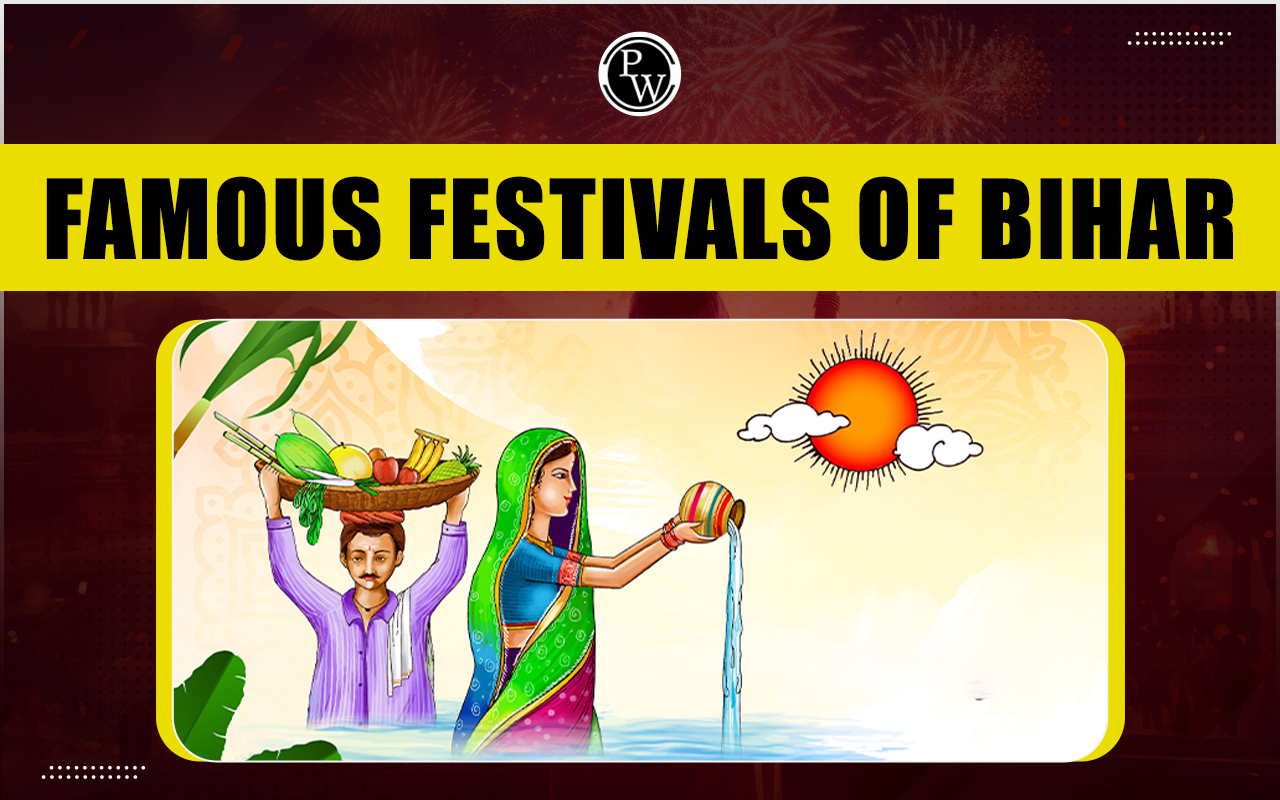
Famous Festival of Bihar: Bihar, a land rich in culture and history, is known for its vibrant festivals that showcase the state's diverse traditions and religious heritage. From grand Hindu celebrations to unique fairs and harvest festivals, Bihar offers a splendid array of events that reflect the deep-rooted customs and communal harmony of its people. Let's explore some of the most significant festivals of Bihar, their unique aspects, and the stories behind them.
List of Most Important Festivals of Bihar
Bihar's cultural landscape is adorned with a myriad of festivals that highlight its rich traditions and vibrant spirit. These celebrations, deeply ingrained in the state's heritage, offer a captivating glimpse into the customs and beliefs of its diverse communities. Let's explore the most important festivals of Bihar that bring its people together in a spectacular display of faith and festivity. Bihar's cultural calendar is marked by numerous festivals celebrated with enthusiasm and devotion. Some of the most important festivals in Bihar include:Chhath Puja
Chhath Puja is the most significant festival in Bihar, celebrated with devotion and grandeur. Dedicated to the Sun God, Surya, and his consort, Chhathi Maiya, this ancient Vedic festival highlights the state's deep-rooted traditions and spiritual fervor. The festival spans four days, during which devotees, known as 'Vrati', taking holy dips in rivers, and offering 'arghya' (offerings) to the setting and rising sun. The primary locations for these rituals are riverbanks, ponds, and water bodies, where elaborate arrangements are made to accommodate the throngs of worshippers.
The first day, known as 'Nahay Khay', involves devotees taking a dip in holy water and preparing traditional vegetarian meals. The second day, 'Lohanda and Kharna', sees devotees fasting from sunrise until sunset, breaking their fast with offerings of kheer (sweet rice pudding). The third day is marked by the main event, 'Sandhya Arghya', where devotees gather at the riverbanks to offer prayers to the setting sun, followed by the final morning ritual, 'Usha Arghya', dedicated to the rising sun.
Sonepur Cattle Fair
The Sonepur Cattle Fair, also called Harihar Kshetra Mela, is a renowned event in Bihar, held annually in November along the Gandak River. It attracts visitors worldwide, offering a glimpse into rural life. The fair is famous for trading livestock like cattle, horses, and elephants, as well as for rituals like bathing in the river and visiting the Hariharnath Temple. Stalls selling various goods, traditional games, and vibrant folk performances add to its charm. The fair is a testament to Bihar's rich heritage and rural culture, making it a unique and captivating celebration.
Buddha Jayanti
Every year in Bihar and across India, the birth, enlightenment, and passing of Gautama Buddha, the founder of Buddhism, are commemorated through the festival of Buddha Jayanti, also known as Vesak or Buddha Purnima, typically held in April or May. Devotees gather at Buddhist temples to meditate, offer prayers, and light candles, reflecting on Buddha's teachings of peace and compassion. For Buddhists, Buddha Jayanti holds profound significance, prompting many to journey to Bodh Gaya's Mahabodhi Temple for worship. Festivities commence with a procession from the towering Buddha statue to the Bodhi tree behind the temple, symbolizing the beginning of the celebrations.
Rajgir Mahotsav
Buddha Jayanti, also known as Vesak or Buddha Purnima, is an annual celebration in Bihar and across India, honoring the birth, enlightenment, and death of Gautama Buddha, the founder of Buddhism. This occasion typically occurs in April or May. Devotees gather at Buddhist temples to meditate, offer prayers, and illuminate candles, reflecting Buddha's teachings of nonviolence and compassion. Bodh Gaya, particularly significant for its association with Buddha's enlightenment, sees pilgrims flocking to the Mahabodhi temple. Festivities commence with a procession from the 80-foot Buddha statue to the Bodhi tree, symbolizing the essence of Buddha's enlightenment.
Makar Sankranti
Each January, as the sun moves into Capricorn, Bihar celebrates Makar Sankranti, also known as Tila Sankrant. This festival heralds the auspicious Uttarayan season and holds cultural importance. People bathe in hot springs, offer flowers to deities, fly kites, and indulge in sesame seed and jaggery sweets. It's a time for family gatherings, exchanging gifts, and joyous festivities, symbolizing the start of the harvest season and invoking blessings for prosperity.Bihula
Bihula is a renowned festival celebrated primarily in Bihar's Bhagalpur district, typically occurring in July or August, focusing on family well-being. It also highlights the exquisite Manjusha Art. The festival centers around the legendary tale of Bihula and her husband, who succumbed to a snake bite. Driven by devotion, Bihula embarked on a perilous journey to resurrect him, aided by the snake goddess Manasa Devi. Devotees observe fasting and offer prayers to Manasa Devi for their families' welfare. The festival features vibrant decorations, music, and dance, showcasing Bihar's rich cultural heritage.
Madhushravani
In August (Sawan), Madhushravani is celebrated throughout Mithilanchal as a harbinger of the rainy season. During this festival, devotees honor the Snake God Vishahara and the Family Goddess Gosaun. It signifies the arrival of the monsoon. As offerings, people distribute Kheer, traditional Ghorjaur, fried vegetables, mangoes, and jackfruit. Married women observe fasts to pray for their husbands' longevity. The picturesque mango groves and courtyards of Mithila are adorned with newlywed brides. Newly married girls stay at their parents' homes for 13 days, adhering to strict fasting rituals. Traditionally, the young bride and five other married women enjoy a feast sent from the husband's family.
Malmas Mela
The Malmas Mela is a unique and auspicious fair held in Bihar during the Malmas period, which occurs approximately every 32 months according to the Hindu lunar calendar. This fair is celebrated in various parts of the state, including Patna, Gaya, and Rajgir. During Malmas, considered an inauspicious month for many Hindu rituals and ceremonies, devotees flock to holy sites and temples to perform religious rites and seek blessings. The Malmas Mela is characterized by a serene and spiritual atmosphere, with devotees engaging in prayers, rituals, and charitable activities. It serves as a time for introspection, purification, and renewal of spiritual vows, making it an essential part of Bihar's religious and cultural landscape.
Sama-Chakeva
The unique celebration known as Sama-Chakeva is primarily participated in by the traditional Mithila people of Bihar and Nepal. Held around October and November, it commemorates the special bond between brothers and sisters and marks the transition from summer to autumn. The festival features elaborate decorations, live music, and dance performances. Sisters craft intricate clay bird sculptures, which they adorn with flowers and paint, worshiping them as part of the tradition. Brothers reciprocate by giving gifts and pledging lifelong protection and care to their sisters. Apart from celebrating sibling relationships, the festival also emphasizes the importance of ecological preservation, highlighting the need to safeguard nature and the environment.
Pitrapaksha Mela
Pitrapaksha Mela is a solemn and significant festival observed in Bihar, particularly in the holy city of Gaya, during the Pitrapaksha period, also known as the lunar fortnight of Bhadrapada. This fortnight is considered auspicious for performing rites and offerings to ancestors, known as 'Pind Daan', to pay homage and seek blessings for their departed souls. During the Pitrapaksha Mela, thousands of pilgrims from various parts of India gather in Gaya to perform these rituals on the banks of the Falgu River. The atmosphere is somber yet reverent, as families come together to honor their ancestors and fulfill their religious duties. The Pitrapaksha Mela is a deeply spiritual and culturally significant event that underscores the importance of ancestral reverence in Hindu tradition.
Different Religious Communities of Bihar
Bihar is home to a mosaic of religious communities, each contributing to the state's rich cultural diversity. The major religious communities include Hindus, Muslims, Buddhists, Jains, and Christians. This diversity is reflected in the variety of festivals celebrated across the state.- Hindus : Celebrate festivals like Chhath Puja, Durga Puja, Diwali, and Holi with great zeal.
- Muslims : Observe Eid-ul-Fitr and Eid-ul-Adha, marked by prayers, feasts, and communal harmony.
- Buddhists : Celebrate Buddha Jayanti, commemorating the birth, enlightenment, and death of Lord Buddha.
- Jains : Mark Mahavir Jayanti, celebrating the birth of Lord Mahavir, the 24th Tirthankara.
- Christians : Celebrate Christmas and Easter with joy, prayer services, and community gatherings.
What is Bihar's Famous Cattle Fair ?
One of the most iconic events in Bihar is the Sonepur Cattle Fair, held annually in the town of Sonepur. Known as one of the largest cattle fairs in Asia, it attracts traders and visitors from across the country and beyond. The fair features a wide array of animals, including elephants, horses, and birds, along with cultural performances, folk music, and a bustling market offering traditional handicrafts and local delicacies.
What is Bihar's Harvest Festival and Where it is Held ?
Bihar's prominent harvest festival is Makar Sankranti, celebrated with much enthusiasm throughout the state. The festival signifies the sun's transit into the zodiac sign of Capricorn (Makara), marking the end of winter and the onset of longer days. People celebrate by flying kites, preparing special sweets, and taking holy dips in rivers. Ganga Ghats in Patna and other riverbanks become pilgrimage spots during this festival, drawing large crowds for ritual baths and prayers.
What is Bihar Diwas ?
Bihar Diwas, celebrated on March 22nd, commemorates the formation of the state of Bihar. It is a time for the people of Bihar to showcase their rich heritage, artistic prowess, and achievements. The festivities include cultural programs, exhibitions, seminars, and discussions on various aspects of Bihar's history, culture, and development. It serves as a platform to foster pride in one's roots and promote unity among the people of Bihar.
Famous Festival of Bihar FAQs
Q.1 What is the main festival of Bihar?
Q.2 What are the Hindu festivals in Bihar?
Q.3 What is the main festival of Patna?
Q.4 Which Mela is famous in Bihar?
Q.5 What is Bihar famous for?


 Live & recorded classes available at easeDashboard for progress trackingMillions of practice questions at your fingertips