Folk Dances of Maharashtra, List of Traditional Dances
Folk Dances of Maharashtra are an integral part of the cultural heritage of the state. Get details of the Folk Dances of Maharashtra and their importance in maintaining the tradition.
 Priyanka Gupta19 Jul, 2024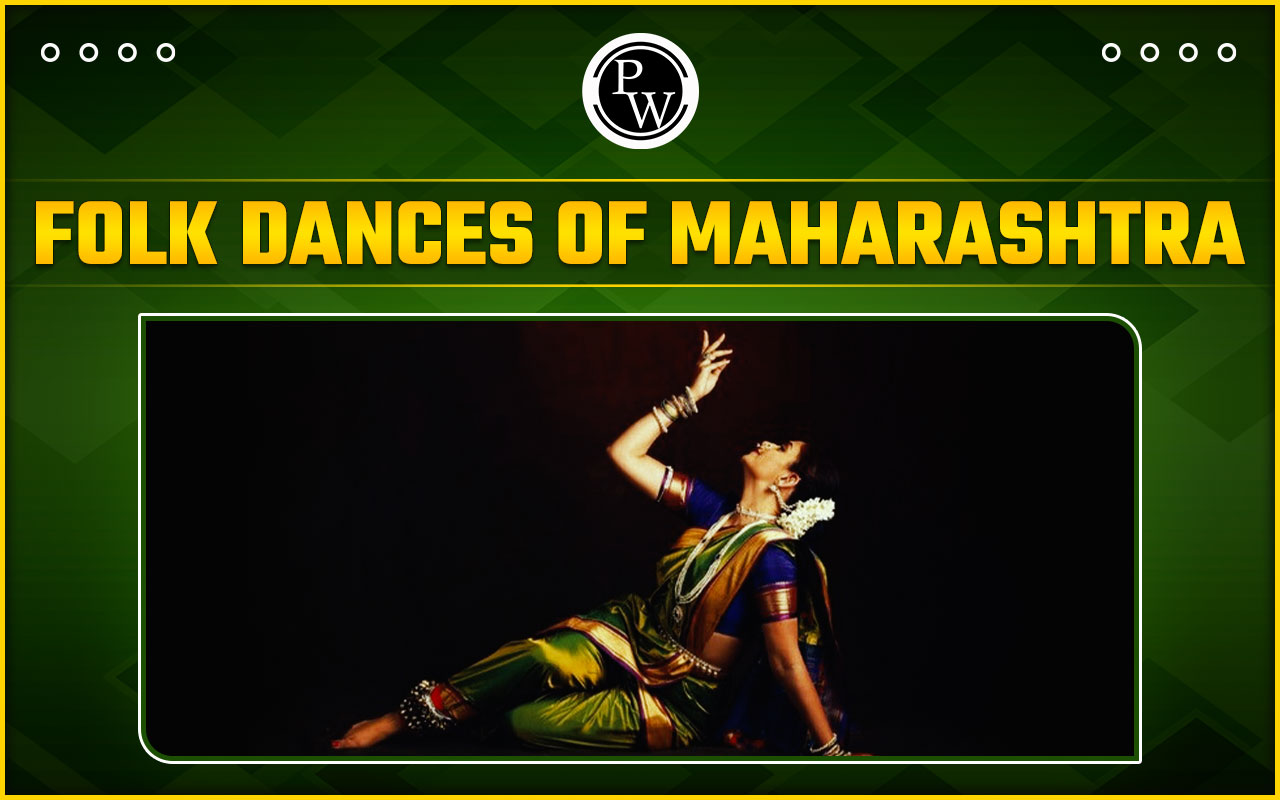
Folk Dances of Maharashtra: Maharashtra, a diverse Indian state known for its rich cultural heritage, boasts a vibrant tradition of Folk Dances of Maharashtra that reflects its myriad customs and communities. These dances, deeply rooted in local traditions and rituals, celebrate the essence of Maharashtra's rural life and spiritual beliefs. From the energetic Lavani, characterized by its rhythmic movements and lively music, to the graceful Tamasha, blending dance with dramatic storytelling, each dance form offers a unique glimpse into the cultural tapestry of Maharashtra. These folk dances not only entertain but also preserve and pass down centuries-old traditions, embodying the spirit and soul of the region.
Folk Dances of Maharashtra
Maharashtrian culture thrives on dance, with folk dances integral to festivals, weddings, childbirth ceremonies, and harvest festivities. Lavani, Dhangarigaja, Lezim, Koli, and other traditional dances are widely cherished across Maharashtra. Lezim, Koli, and Tamasha feature both male and female dancers, while Lavani is exclusively performed by women. Dhangarigaja, on the other hand, is performed solely by men. These dances not only entertain but also uphold cultural heritage, showcasing the diversity and vibrancy of Maharashtra's artistic traditions.List of Folk Dances of Maharashtra
Here is a list of folk dances of Maharashtra with the details and importance of these dance forms. The Lavani dance which is the oldest dance form of Maharashtra originated in Maharashtra during the 18th and 19th centuries. Maratha Lords and Kings were patrons of Lavani dancers. Typically, Lavani was performed by Dhangars or Shepherds residing in Solapur, Maharashtra.| List of Folk Dances of Maharashtra | |
| Folk Dance | Details |
| Lavani | The lively dance form is known for its energetic movements, performed to traditional music. Often features themes of love, romance, and societal issues. |
| Dhangarigaja | Typically performed by men from the Dhangar community during special occasions and festivals. Combines rhythmic footwork with vibrant costumes and music. |
| Lezim | Involves synchronized movements with the use of Lezim (a musical instrument), performed during cultural and religious celebrations, promoting physical fitness. |
| Koli Dance | Traditional dance of the Koli community, characterized by rhythmic steps and gestures depicting fishing activities and daily life by the sea. |
| Tamasha | A unique blend of dance and theatre, featuring energetic performances with humorous or social themes, often accompanied by traditional musical instruments. |
Important Folk Dances of Maharashtra
The important folk dances of Maharashtra have been discussed here. These dance forms include Lavani, tamasha, Lezim, Koli dance, etc.Lavani Dance
The term "Lavani" originates from the Sanskrit word "Lavanya," meaning "beauty." This dance form integrates dance and music to address various themes such as society, religion, politics, and romance. Typically performed by attractive women clad in nine-yard saris, Lavani features rhythmic accompaniment from the dholak. These dancers move sensuously to catchy melodies and enticing lyrics. During the 18th and 19th centuries, Maharashtra experienced turbulent times, and Lavani served as both entertainment and a morale booster for weary warriors. The dance gained royal patronage during the Peshwai rule in Pune, reaching its peak popularity with contributions from poets like Honaji Bala, Ramjoshi, and Prabhakar.Koli Dance
Koli is a traditional dance form of Maharashtra performed by the Koli fisher community. This dance embodies the unique culture and vibrant traditions of the Koli people, focusing on themes deeply rooted in their livelihoods such as the sea and fishing. The dance involves a structured choreography where men and women are segregated into two groups. Men, holding oars, stand in rows and move in sync to mimic rowing motions. Women, positioned opposite them, interlock arms and advance toward the men in a rhythmic procession. The dance progresses with formations depicting waves, rowing actions, and casting nets to symbolize fishing activities.Dhangari Gaja Dance
In the Sholapur region of Maharashtra, the Dhangars connect closely with nature while tending to their cattle in lush pastures. Inspired by the natural beauty around them and their deity Biruba, they compose ovi poetry. Once a year, upon returning home, they gather with loved ones to pay respects to God Biruba and spend quality time with their families. It is during this occasion that they perform the Dhangari Gaja dance to express gratitude for the blessings received. Dhangar dancers attire themselves in traditional Marathi garments like dhoti, angarakha, and pheta, adorned with colorful handkerchiefs, often accompanied by a group of drummers.Povadas Dance
Povadas are Marathi ballads sung to narrate the life events of Shri Chhatrapati Shivaji Maharaj, the renowned Maratha emperor. Shivaji established the Maratha Empire and waged lifelong battles against the Mughals. By the year 1680, when Shivaji passed away, he had effectively unified much of the Deccan region. Celebrated as a skilled warrior and a prominent figure in Indian history, Shivaji holds significant reverence among Maharashtrians. They honor his legacy through these songs, which commemorate his achievements and contributions to Maratha history.Lezim Dance
Lezim dance holds significance in Maharashtra during both social and religious gatherings, and is integral to the state's martial arts traditions. It is characterized more as a vigorous physical exercise and drill rather than purely a dance form, featuring formations that can vary from pairs and quartets to circular patterns. Lezim is performed across all regions of Maharashtra, with variations like Ghoti Lejim, Ghungroo Lejim, Dakhni Lejim, and Palita Lejim. Typical musical accompaniments include drums, Tasha, and cymbals.Folk Dances of Maharashtra FAQs
1. What is the importance of Maharashtra dance forms?
Ans. Different Maharashtra dance forms depict the lives of people in rural areas, the socio economic and political conditions there. It also includes dances based on religious themes.
2. What are the folk dances of Maharashtra?
Ans. Few main folk dance of Maharashtra include Lavani, Lezim, Dhangarigaja, Gondhal, Koli and Tamasha.
3. Which is a popular Maharashtrian dance form?
Ans. Lavani is a popular dance form of Maharashtra.
🔥 Trending Blogs


Talk to a counsellorHave doubts? Our support team will be happy to assist you!


Join 15 Million students on the app today!
 Live & recorded classes available at easeDashboard for progress trackingMillions of practice questions at your fingertips


Free Learning Resources
PW Books
Notes (Class 10-12)
PW Study Materials
Notes (Class 6-9)
Ncert Solutions
Govt Exams
Our Other Websites
Class 6th to 12th Online Courses
Govt Job Exams Courses
UPSC Coaching
Defence Exam Coaching
Gate Exam Coaching
Other Exams
Know about Physics Wallah
Physics Wallah is an Indian edtech platform that provides accessible & comprehensive learning experiences to students from Class 6th to postgraduate level. We also provide extensive NCERT solutions, sample paper, NEET, JEE Mains, BITSAT previous year papers & more such resources to students. Physics Wallah also caters to over 3.5 million registered students and over 78 lakh+ Youtube subscribers with 4.8 rating on its app.
We Stand Out because
We provide students with intensive courses with India’s qualified & experienced faculties & mentors. PW strives to make the learning experience comprehensive and accessible for students of all sections of society. We believe in empowering every single student who couldn't dream of a good career in engineering and medical field earlier.
Our Key Focus Areas
Physics Wallah's main focus is to make the learning experience as economical as possible for all students. With our affordable courses like Lakshya, Udaan and Arjuna and many others, we have been able to provide a platform for lakhs of aspirants. From providing Chemistry, Maths, Physics formula to giving e-books of eminent authors like RD Sharma, RS Aggarwal and Lakhmir Singh, PW focuses on every single student's need for preparation.
What Makes Us Different
Physics Wallah strives to develop a comprehensive pedagogical structure for students, where they get a state-of-the-art learning experience with study material and resources. Apart from catering students preparing for JEE Mains and NEET, PW also provides study material for each state board like Uttar Pradesh, Bihar, and others
Copyright © 2026 Physicswallah Limited All rights reserved.