Folk Music of Bihar, Famous Music, Musical Instruments
 Bhavya Upadhyay13 Jul, 2024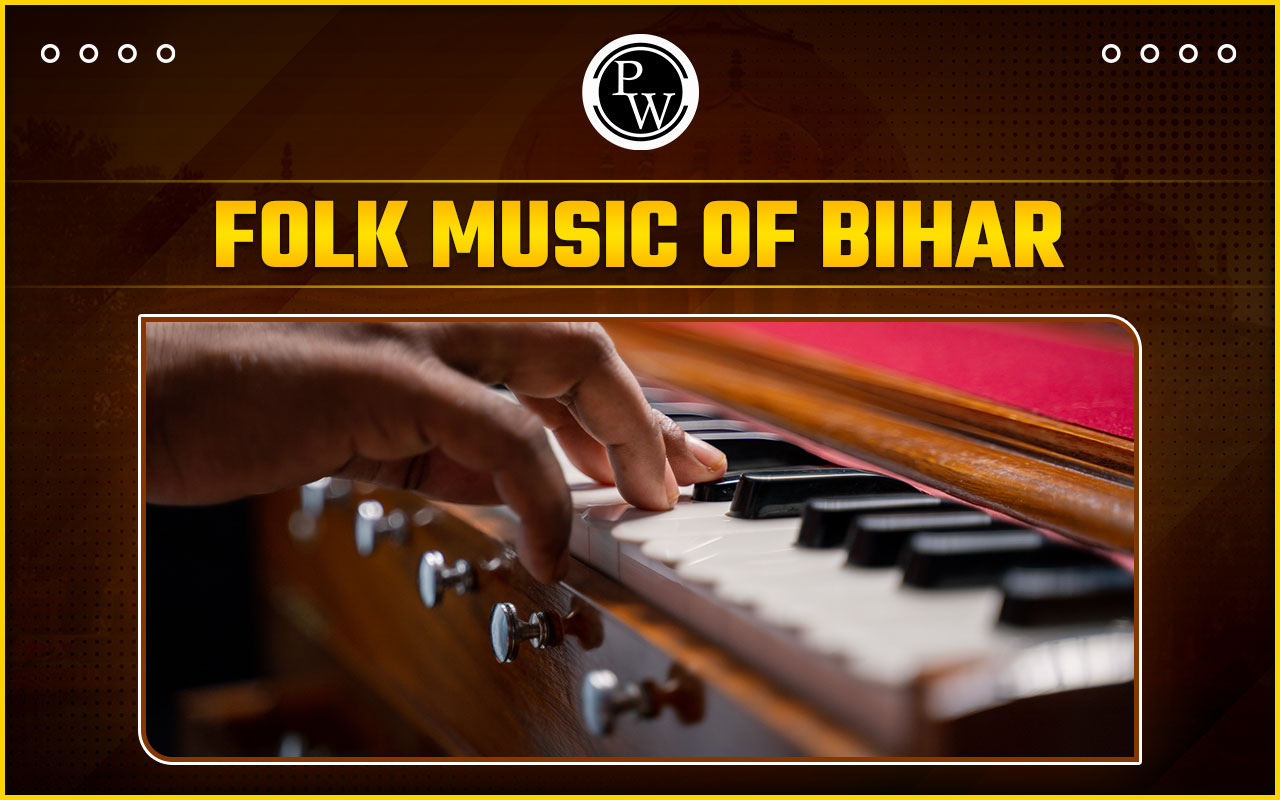
Folk Music of Bihar: Bihar, a state rich in cultural heritage, boasts a diverse and vibrant tradition of folk music that echoes the everyday lives, festivals, and rituals of its people. Passed down through generations, the folk music of Bihar reflects the joys, sorrows, and spiritual fervor of its communities. In this blog, we delve into the captivating world of Bihari folk music, exploring its origins, various forms, instruments, and the deep significance it holds in the cultural tapestry of the region.
Bihar, a state in eastern India, boasts a rich cultural heritage that is deeply rooted in its history, traditions, and the daily lives of its people. Among the various cultural expressions, folk music holds a special place. This musical tradition is not just a form of entertainment but a reflection of the socio-cultural fabric of Bihar, encompassing its joys, sorrows, festivals, rituals, and communal gatherings. This blog delves into the intricate and vibrant world of Bihari folk music, exploring its origins, types, instruments, and significance in the lives of Biharis.
Overview of Folk Music of Bihar
Folk Music of Bihar is a vibrant reflection of the state's cultural heritage, encompassing a variety of forms that celebrate life's milestones, agricultural cycles, and spiritual practices. It is performed using traditional instruments and continues to unite communities through its timeless melodies and themes.
| Overview of Folk Music of Bihar | |
| Aspect | Description |
| Cultural Significance | Reflects the joys, sorrows, and spiritual practices of Bihari life. |
| Types | Includes Sohar, Bidesia, Chhath Geet, Kajri, Jatsari, and Phagwa. |
| Instruments | Features Dholak, Harmonium, Shehnai, Bansuri, and Manjira. |
| Purpose | Preserves traditions, fosters community bonding, and expresses deep emotions. |
Origins and Historical Context of Folk Music of Bihar
Folk music in Bihar dates back centuries and is an integral part of its cultural and social life. This music has been passed down orally through generations, preserving the stories, values, and experiences of the people. The songs are often linked to agricultural cycles, religious festivals, and life events such as births, marriages, and deaths. This rich tradition reflects the agrarian lifestyle, the diverse communities, and the various influences that have shaped the region over time.
Types of Folk Music of Bihar
Bihari folk music is diverse, with each type serving a unique purpose and occasion. Some of the most prominent forms include:
1. Sohar
Sohar songs are traditionally sung during childbirth. These songs celebrate the arrival of a new member in the family and are filled with blessings and good wishes for the newborn. The lyrics often include references to gods and goddesses, seeking their blessings for the child's health and prosperity.
2. Bidesia
Bidesia is a popular folk theater form in Bihar, characterized by its vibrant music and dance. The songs in Bidesia often depict the themes of separation and longing, reflecting the life of migrants who have left their homes in search of work. The poignant lyrics and soulful melodies express the emotional struggles of separation and the hope of reunion.
3. Chhath Geet
Chhath Geet is associated with the Chhath Puja, an important festival dedicated to the Sun God, Surya, and his consort, Chhathi Maiya. These devotional songs are sung in praise of the deities and describe the rituals performed during the festival. The music is marked by its simplicity and spiritual fervor, echoing the devotion and gratitude of the worshippers.
4. Kajri
Kajri songs are sung during the monsoon season, celebrating the beauty of nature and the joy of rains. These songs often depict the longing of separated lovers and the beauty of the rainy season. The melodies are sweet and melancholic, capturing the essence of the lush green countryside during the monsoons.
5. Jatsari
Jatsari songs are associated with the harvesting season. These songs celebrate the hard work of the farmers and the joy of a bountiful harvest. The lyrics often praise the gods for their blessings and express the community's gratitude for a good yield. The music is upbeat and lively, reflecting the festive spirit of the harvest season.
6. Phagwa
Phagwa or Holi Geet are songs sung during the festival of Holi. These songs are full of color and vibrancy, much like the festival itself. The lyrics are playful and often tease friends and family members, adding to the joyous and carefree atmosphere of Holi.
Instruments Used in Folk Music of Bihar
The instruments used in Bihari folk music are as diverse as the songs themselves. Some of the most commonly used instruments include:
1. Dholak
A double-headed drum, the dholak is a staple in Bihari folk music. It provides a rhythmic foundation and is used in various forms of folk songs.
2. Harmonium
The harmonium is a key instrument in many Bihari folk songs. It is used to provide melodic support and enhance the vocal performances.
3. Shehnai
The shehnai, a wind instrument, is often used in wedding songs and festive music. Its distinctive sound adds a ceremonial feel to the music.
4. Bansuri
The bansuri or bamboo flute is used in many folk songs, particularly those that are slow and melodious. Its sweet sound complements the melancholic and romantic themes of the songs.
5. Manjira
A pair of small hand cymbals, the manjira is used to keep rhythm and add a percussive element to the music. It is often used in devotional songs and festive music.
Notable Singers of Folk Music of Bihar
The rich tapestry of Bihari folk music has been shaped and preserved by numerous talented singers who have dedicated their lives to this art form. These singers, through their soulful renditions and dedication, have kept the tradition alive and introduced it to newer generations. Here are some of the most notable folk music singers from Bihar:
1. Sharda Sinha
Often referred to as the "Queen of Bhojpuri Folk Music," Sharda Sinha is a celebrated singer known for her melodious voice and heartfelt renditions of traditional songs. Her contributions to Bihari folk music, particularly during festivals like Chhath Puja, have earned her national recognition. Her songs like "Pahil Pahil Chhathi Maiya" and "Ho Dinanath" are iconic and deeply revered.
2. Manoj Tiwari
A multifaceted personality, Manoj Tiwari is not only a prominent Bhojpuri actor and politician but also a renowned folk singer. He has popularized Bhojpuri music across India and has numerous hit songs to his credit. His energetic performances and catchy tunes have made him a household name in Bihar.
3. Neha Singh Rathore
A modern voice in the folk music scene, Neha Singh Rathore has gained popularity for her contemporary take on traditional songs. She often incorporates social messages into her music, addressing current issues while staying true to the roots of Bihari folk traditions. Her unique style and powerful voice have resonated with a younger audience, bridging the gap between traditional and modern music.
4. Naina Singh
A versatile singer known for her Bhojpuri folk and playback singing, Naina Singh has contributed significantly to the preservation and promotion of Bihari folk music. Her soulful renditions of traditional songs and her ability to convey deep emotions through her voice have made her a respected figure in the music community.
5. Bhikhari Thakur
Though primarily known as a playwright and actor, Bhikhari Thakur is also celebrated for his contributions to Bihari folk music. Often referred to as the "Shakespeare of Bhojpuri," his work in Bidesia, which includes both music and theater, has been instrumental in preserving the folk traditions of Bihar. His songs and plays depict the lives and struggles of common people, making his work relatable and enduring.
6. Chandan Tiwari
Chandan Tiwari is a prominent name in the world of Bhojpuri folk music. Known for her powerful voice and dedication to folk traditions, she has performed extensively across India and internationally, bringing Bihari folk music to a broader audience. Her renditions of traditional songs are noted for their authenticity and emotional depth.
7. Maithili Thakur
A young prodigy in the world of folk music, Maithili Thakur has gained fame for her renditions of Maithili and Bhojpuri songs. Her ability to sing in multiple languages and her command over classical and folk music have made her a sensation. She has a significant following on social media, where she shares her music, thereby introducing Bihari folk traditions to a global audience.
Social and Cultural Significance of Folk Music of Bihar
Bihari folk music is more than just an artistic expression; it is a vital part of the social and cultural life of the people. It serves various purposes:
1. Preservation of Tradition
Folk music plays a crucial role in preserving the traditions and customs of Bihar. Through songs, the knowledge and practices of the past are passed down to future generations, ensuring that the cultural heritage remains alive.
2. Community Bonding
Folk music brings people together, fostering a sense of community and belonging. Whether it's a festive celebration, a wedding, or a communal gathering, music serves as a unifying force that strengthens social bonds.
3. Expression of Emotions
The lyrics and melodies of folk songs provide a medium for expressing a wide range of emotions, from joy and celebration to sorrow and longing. This emotional expression helps individuals and communities cope with the ups and downs of life.
4. Religious and Spiritual Connection
Many folk songs are devotional in nature, reflecting the deep religious and spiritual beliefs of the people. These songs are often an integral part of religious ceremonies and rituals, helping to reinforce the faith and devotion of the community.
5. Agricultural Relevance
Given that Bihar is predominantly an agrarian state, many folk songs are tied to the agricultural calendar. These songs not only celebrate the various stages of farming but also serve as a reminder of the importance of agriculture in the lives of the people.
Conclusion to Folk Music of Bihar
The folk music of Bihar is a vibrant and essential part of its cultural identity. It reflects the everyday lives, beliefs, and traditions of its people, providing a window into the soul of the state. As modernity continues to influence cultural practices, it is crucial to preserve and celebrate this rich musical heritage. By doing so, we ensure that the unique and beautiful traditions of Bihar continue to thrive, enriching the cultural landscape of India and the world.
Folk Music of Bihar FAQs
Q.1 Which is the famous folk music of Bihar?
Q.2 Who is the folk singer of Bihari?
Q.3 What is folk music of Bihar?
Q.4 What is the folk dance of Bihar?
Q.5 Who is the top singer of Bihar?


 Live & recorded classes available at easeDashboard for progress trackingMillions of practice questions at your fingertips