






Folk Music of Madhya Pradesh, Classical Music, Evolution
 Bhavya Upadhyay19 Jun, 2024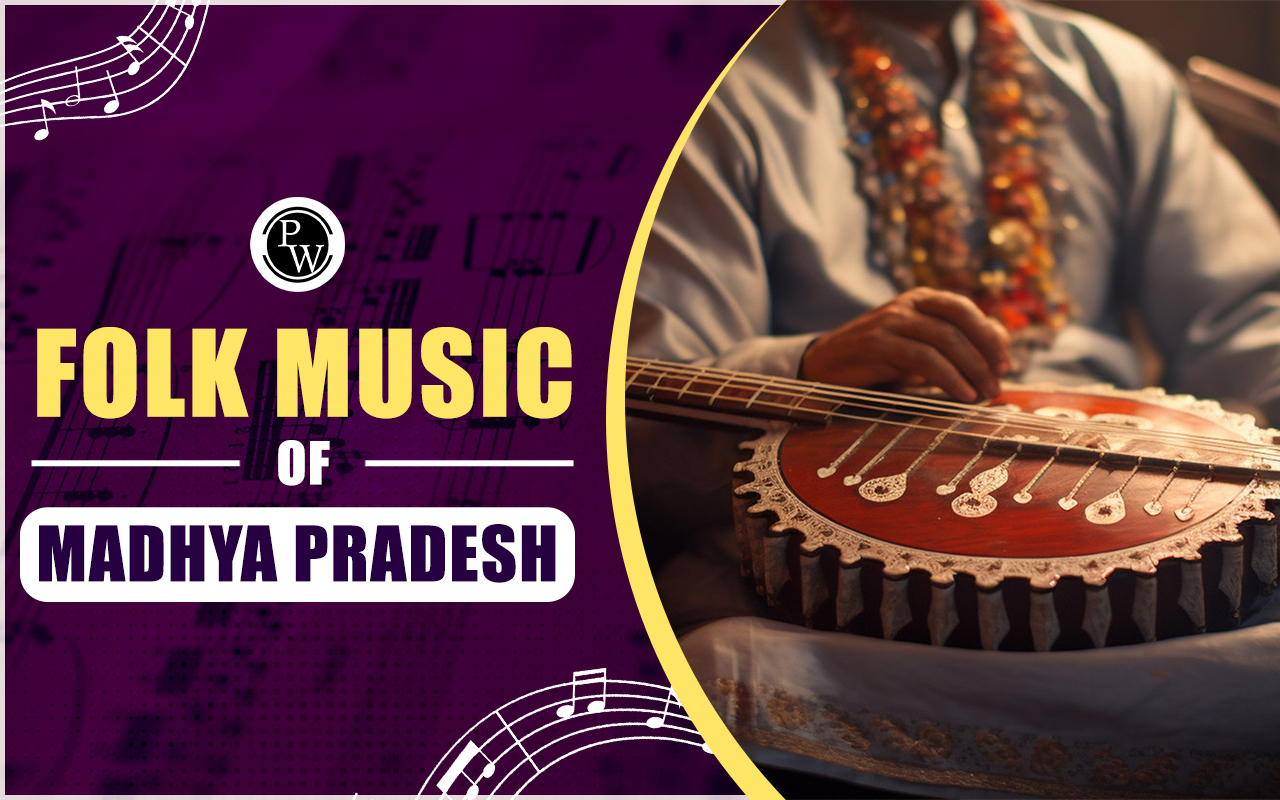
Folk Music of Madhya Pradesh: Madhya Pradesh, often referred to as the "Heart of India," is renowned for its rich cultural heritage, diverse traditions, and vibrant folk music. The state’s folk music is an integral part of its cultural identity, reflecting the lives, beliefs, and emotions of its people. In this blog, we will delve into the enchanting world of Madhya Pradesh’s folk music, exploring its various forms, instruments, and the cultural context that nurtures this melodic tradition.
Historical and Cultural Context of Folk Music of Madhya Pradesh
Madhya Pradesh’s folk music is deeply rooted in the state's history and geography. The region has been home to various dynasties and cultures, each contributing to its musical heritage. The diverse topography, ranging from dense forests to vast plains, has also influenced the musical styles and instruments used by different communities.
Folk music in Madhya Pradesh is not merely an art form but a way of life. It accompanies every aspect of daily existence, from agricultural practices and festivals to rituals and celebrations. The music often tells stories of gods and goddesses, heroic deeds, love, and nature, passed down through generations.
Folk Music of Madhya Pradesh Overview
Madhya Pradesh is a treasure trove of cultural diversity and heritage. Among its many cultural riches, the folk music of Madhya Pradesh stands out as a vibrant expression of the region's traditions, stories, and way of life. From the spiritual Nirguni Bhajans to the energetic Fag songs, the state's folk music is a reflection of its people's emotions, beliefs, and daily experiences.
| Folk Music of Madhya Pradesh Overview | |
| Region | Folk Music and Songs |
| Nimar | Kalgi Turra, Nirguniya Gayan, Garba, Gaulan, Masanya, Faag |
| Malwa | Bharthari, Sanjha Geet, Barsati Barta, Heed Gayan |
| Bundelkhand | Alha Gayan, Hardaul Ki Manauti, Faag Gayan, Barayata Gayan, Bhola Geet, Devri Gayan, Jawar Geet and Jagdev ka Puara |
| Baghelkhand | Basudeva Gayan, Birha Gayan, Bidesiya Gayan |
Major Folk Music of Madhya Pradesh Styles
1. Nirguni and Nirgun Bhajan
Nirguni Bhajans are spiritual songs that emphasize the worship of a formless god (Nirgun). They are associated with the Bhakti movement and are characterized by their profound philosophical themes. The songs are often performed by wandering minstrels known as Bhajan Mandalis and are accompanied by simple instruments like the ektara and dotara.
2. Fag Songs
Fag songs are associated with the spring festival of Holi. These vibrant songs celebrate the arrival of spring and the joyous festival of colors. They are marked by energetic rhythms and lively dance movements, often performed in groups. The lyrics typically revolve around themes of love, nature, and the playful interactions of Lord Krishna with the Gopis.
3. Pandavani
Pandavani is a narrative singing tradition that recounts tales from the Mahabharata, particularly focusing on the Pandavas. This style is a blend of music, storytelling, and drama, with the lead performer using minimal props like a tambura and a few hand gestures to bring the epic stories to life. Pandavani is popular in the Chhattisgarh region, which shares cultural similarities with Madhya Pradesh.
4. Aada and Suwa Songs
Aada songs are associated with the Adivasi (tribal) communities of Madhya Pradesh. These songs are performed during weddings and other communal celebrations. Suwa songs, on the other hand, are part of the harvest festival celebrations, particularly among the Gond tribe. The songs are accompanied by the Suwa (parrot) dance, where women dance in a circle, imitating the movements of a parrot.
5. Alha Songs
Alha is a heroic ballad tradition recounting the tales of Alha and Udal, two legendary warriors. These songs are characterized by their vigorous and martial tone, often accompanied by instruments like the dholak and manjira. The Alha songs are particularly popular in the Bundelkhand region.
6. Bhagoria Songs
Bhagoria songs are associated with the Bhagoria Haat Festival, celebrated by the Bhil tribe in the Jhabua and Alirajpur districts. The festival marks the end of the harvest season and is a time for merriment, love, and marriage proposals. The songs, performed during the haat (market), are lively and energetic, accompanied by traditional dances.
7. Matki Dance Songs
The Matki Dance is a traditional dance form performed primarily by women in the Malwa region. The songs that accompany this dance are melodious and celebrate femininity, grace, and rural life. The dancers balance earthen pots (matkis) on their heads while moving to the rhythmic beats, showcasing their skill and poise.
8. Gondhal Songs
Gondhal is a ritualistic form of music and dance performed by the Gond tribe. These songs are sung during important ceremonies and rituals, such as weddings and religious festivals. The music is spiritual and ceremonial, often involving elaborate performances with traditional instruments like the dhol and cymbals.
9. Jawara Songs
Jawara songs are sung during the Jawara festival, which celebrates the harvest season. These songs express gratitude to the gods for a bountiful harvest and are marked by their joyous and celebratory tone. The festival involves processions and dances, with participants dressed in colorful attire, singing and dancing in unison.
10. Mandharchi Geet
Mandharchi Geet is a form of folk music sung by the Mandhar community, primarily found in the Malwa region. These songs are narrative in nature, often telling stories of historical events, local legends, and social issues. The music is characterized by its simplicity and lyrical depth, offering a glimpse into the lives and thoughts of the community.
Instruments of Folk Music of Madhya Pradesh
The folk music of Madhya Pradesh employs a wide array of traditional instruments, each adding a unique texture to the music. Some of the most notable instruments include:
1. Dholak
A double-headed drum, the dholak is a staple in many folk music traditions across Madhya Pradesh. It provides the rhythmic foundation for various songs and dances.
2. Ektara
A single-stringed instrument, the ektara is often used in Nirguni Bhajans. Its simple design produces a soulful and meditative sound, perfect for spiritual songs.
3. Mandla
A type of drum used by the Bhil and Gond tribes, the mandla is essential in their traditional music. It is typically played during rituals and communal gatherings.
4. Pungi
A wind instrument traditionally used by snake charmers, the pungi is also found in some tribal music forms. It has a distinctive, haunting sound.
5. Shehnai
A double-reed instrument, the shehnai is often played during weddings and festive occasions. Its melodious sound is considered auspicious and is a key part of many celebratory songs.
Folk Music of Madhya Pradesh FAQs
Q.1 What is the folk music of which state?
Q.2 Which is the famous folk dance of Madhya Pradesh?
Q.3 What is Relo folk music in Madhya Pradesh?
Q.4 What are the folk instruments used in MP?
Q.5 What is Madhya Pradesh folk song?






 Live & recorded classes available at easeDashboard for progress trackingMillions of practice questions at your fingertips

