Folk Music of Uttar Pradesh, Famous Music, Classical Music
 Bhavya Upadhyay19 Jun, 2024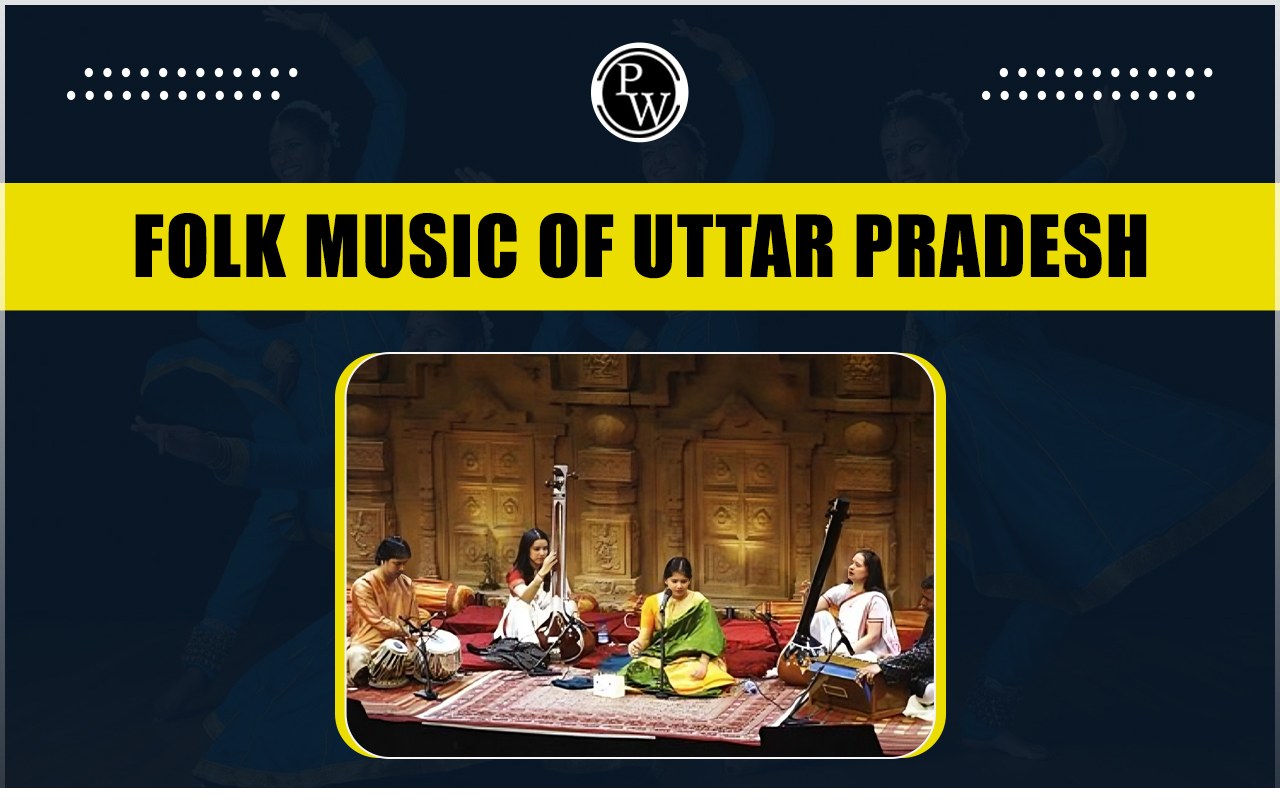
Folk Music of Uttar Pradesh: Uttar Pradesh, a state renowned for its rich cultural heritage, offers a mesmerizing tapestry of traditions and art forms. Among its most cherished cultural expressions is its folk music, a living symphony that echoes the region's history, spirituality, and daily life. This blog delves deep into the diverse genres of folk music in Uttar Pradesh, exploring their historical roots, cultural significance, and enduring appeal in contemporary times.
Uttar Pradesh, a state in northern India, is a vibrant mosaic of cultures, traditions, and art forms. Among its many cultural treasures, the folk music of Uttar Pradesh stands out as a living testament to its rich heritage. This blog delves into the diverse and profound world of UP's folk music, exploring its various genres, historical roots, cultural significance, and contemporary relevance.
Historical Roots and Cultural Context of Folk Music of Uttar Pradesh
The history of Uttar Pradesh's folk music is as old as its civilization, with roots deeply embedded in ancient traditions. The region's music has evolved over millennia, influenced by its varied demographic and cultural exchanges, including the Vedic age, the Mughal era, and British colonial rule. The confluence of Hindu and Islamic traditions has enriched its musical heritage, creating a unique blend that resonates with the spiritual, emotional, and social fabric of its people.
Folk Music of Uttar Pradesh Overview
The folk music of Uttar Pradesh is a vibrant and diverse expression of the state's rich cultural heritage. It encompasses various genres like Birha, Kajri, Rasiya, Alha, Chaiti, and Sohar, each reflecting unique aspects of rural life, traditions, and emotions. These musical forms, enriched with traditional instruments, play a crucial role in preserving history, celebrating festivals, and providing social commentary.
| Folk Music of Uttar Pradesh Overview | |||
| Genre | Region | Themes | Instruments |
| Birha | Eastern UP | Separation and longing | Dholak, Harmonium |
| Kajri | Mirzapur, Varanasi | Monsoon celebration, love | Tabla, Shehnai |
| Rasiya | Braj region | Love stories of Radha-Krishna | Dholak, Harmonium |
| Alha | Bundelkhand | Heroic tales, valor | Dholak, Sarangi |
| Chaiti | Awadh, Bhojpuri region | Nature, love, devotion | Tabla, Harmonium |
| Sohar | Various | Childbirth celebration | Dholak, Ektara |
Key Genres of Folk Music of Uttar Pradesh
1. Birha
Birha is one of the most popular folk music genres in Uttar Pradesh, particularly in the eastern regions. It traditionally involves a solo performer who sings poignant tales of separation and longing. The themes often revolve around lovers separated by fate, reflecting the agrarian lifestyle and the migratory patterns of rural communities. Birha songs are known for their soulful melodies and intricate lyrical compositions.
2. Kajri
Kajri is a monsoon song that originated in the Mirzapur and Varanasi regions. This genre is characterized by its emotional intensity and poetic beauty, celebrating the arrival of the rainy season. Women primarily perform Kajri songs, often while engaged in household chores or during community gatherings. The lyrics typically express the pain of separation from a loved one, yearning for reunion, and the joy brought by the rains.
3. Rasiya
Rasiya songs are a vital part of the Braj region's cultural landscape, particularly associated with the love stories of Radha and Krishna. These songs are sung during festivals like Holi and Janmashtami, and they capture the playful, romantic, and devotional aspects of Krishna's life. Rasiya music is characterized by its lively rhythm and festive spirit.
4. Alha
Alha is a ballad form that narrates heroic tales of valor and chivalry. Originating from the Bundelkhand region, these songs are performed in a powerful, high-pitched style to evoke the emotions of battlefield bravery. Alha compositions often recount the legendary battles fought by the regional heroes, Alha and Udal, against invaders.
5. Chaiti
Chaiti songs are associated with the Chaitra month (March-April) of the Hindu calendar and are primarily sung in the Awadh and Bhojpuri regions. The lyrics of Chaiti songs revolve around the themes of nature, love, and devotion, and are often performed during the Ramnavami festival. The melodies are simple yet evocative, capturing the essence of rural life.
6. Sohar
Sohar is a genre of folk music that celebrates childbirth. These songs are sung to welcome a new life into the world, blessing the mother and the newborn. Sohar songs are prevalent across various communities in Uttar Pradesh and are performed during the childbirth ceremony with great joy and festivity.
Instruments in Folk Music of Uttar Pradesh
The folk music of Uttar Pradesh is enriched by the use of traditional instruments that add depth and texture to the performances. Some of the commonly used instruments include:
- Dholak : A two-headed drum used to provide rhythmic accompaniment.
- Harmonium : A free-reed instrument that adds melodic support.
- Tabla : A pair of drums used in various classical and folk music forms.
- Shehnai : A reed instrument often played during auspicious occasions.
- Ektara : A single-stringed instrument used in devotional and narrative songs.
- Sarangi : A bowed string instrument known for its expressive capabilities.
Cultural Significance of Folk Music of Uttar Pradesh
Folk music in Uttar Pradesh is not just a form of entertainment but a crucial part of social and cultural identity. It serves various functions, such as:
- Preservation of History and Traditions : Folk songs often narrate historical events, mythological tales, and local legends, helping preserve the region's cultural heritage.
- Social Commentary : Many folk songs address social issues, providing commentary on matters such as caste dynamics, gender roles, and economic conditions.
- Ritual and Celebration : Folk music is integral to rituals, festivals, and life-cycle events like weddings and childbirth, enhancing communal bonds and shared cultural expressions.
- Emotional Expression : The themes of love, separation, devotion, and joy in folk music resonate deeply with the emotional lives of the people.
Contemporary Relevance of Folk Music of Uttar Pradesh
In the modern era, the folk music of Uttar Pradesh continues to thrive, adapting to contemporary influences while retaining its traditional essence. Various initiatives, such as folk music festivals, recordings, and collaborations with mainstream artists, have helped in bringing this art form to a wider audience. Additionally, efforts by cultural organizations and government bodies to document and promote folk music have played a significant role in its preservation and propagation.
Conclusion to Folk Music of Uttar Pradesh
The folk music of Uttar Pradesh is a rich tapestry of melodies, rhythms, and stories that reflect the soul of its people. It is a living tradition that continues to evolve while maintaining a deep connection to its historical and cultural roots. Whether it is the soulful strains of a Birha, the festive rhythms of a Rasiya, or the poignant notes of a Kajri, the folk music of Uttar Pradesh offers a captivating glimpse into the region's diverse and vibrant heritage.
Folk Music of Uttar Pradesh FAQs
Q.1 What is the famous folk music of Uttar Pradesh?
Q.2 What are the main folklores of UP?
Q.3 What are the traditions of Uttar Pradesh?
Q.4 What is the musical instrument of Uttar Pradesh?


 Live & recorded classes available at easeDashboard for progress trackingMillions of practice questions at your fingertips