






Languages Of Bihar, 5 Languages Of Bihar, Main Languages Of Bihar
 Bhavya Upadhyay26 Aug, 2024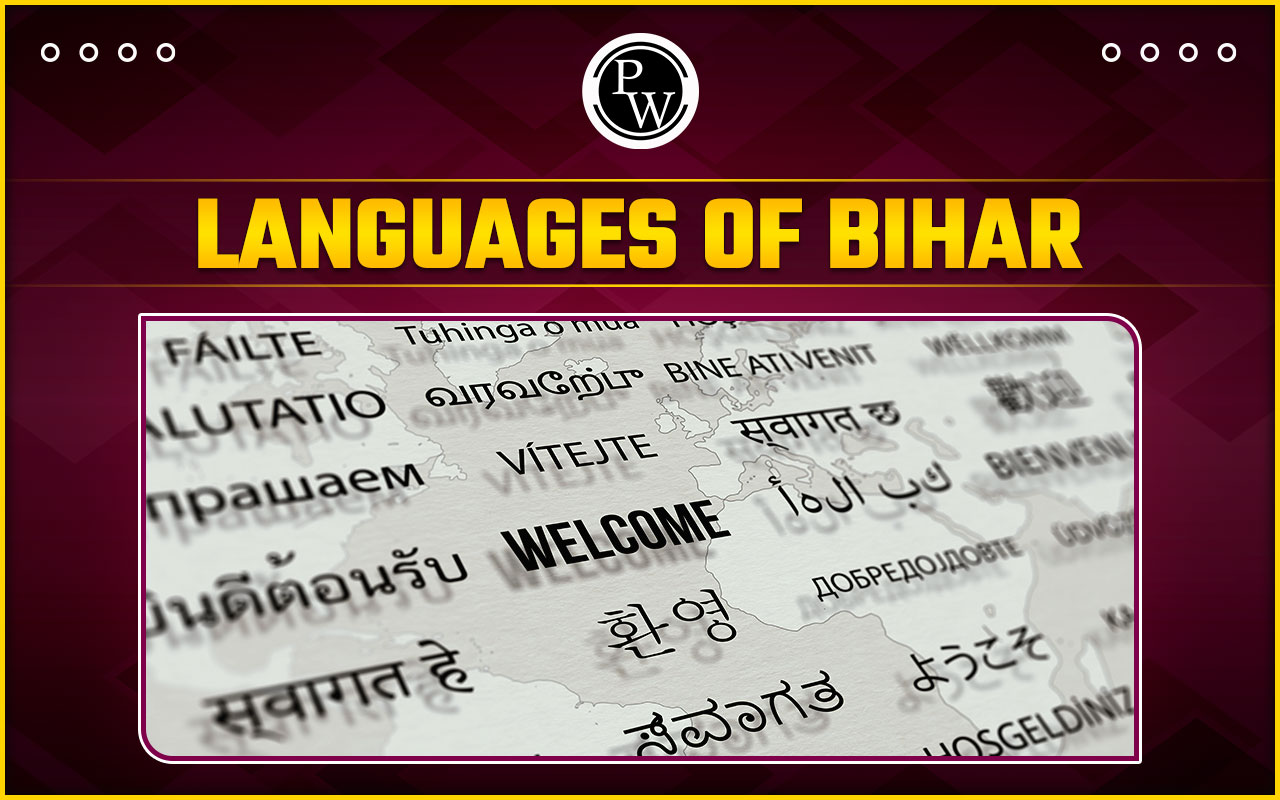
Languages Of Bihar: Bihar, an ancient land known for its historical significance and cultural richness, is also a melting pot of linguistic diversity. The state's linguistic landscape is a vibrant mosaic of languages and dialects, each with its own unique history, cultural significance, and linguistic features. From the widely spoken Hindi to the culturally rich Maithili and Bhojpuri, the languages of Bihar reflect the region's multifaceted identity and heritage. This blog explores the major languages spoken in Bihar, delving into their historical backgrounds, linguistic characteristics, and cultural importance.
Languages Of Bihar Overview
Bihar, a state located in the eastern part of India, is a region rich in cultural heritage and linguistic diversity. The state's linguistic landscape is a tapestry woven with several languages and dialects, reflecting its complex history and varied demographic makeup. This blog will delve into the primary languages spoken in Bihar, their historical backgrounds, linguistic features, and their significance in the socio-cultural fabric of the state.
List of 5 Languages Of Bihar
Bihar, a state in eastern India, is known for its rich cultural and linguistic diversity. The languages of Bihar, including Hindi, Bhojpuri, Maithili, Magahi, and Angika, reflect its vibrant heritage. Each language holds its unique significance, contributing to the region's multifaceted identity and cultural richness.
| List of 5 Languages Of Bihar | |
| S.No. | Languages Of Bihar |
| 1. | Hindi |
| 2. | Bhojpuri |
| 3. | Maithili |
| 4. | Magahi |
| 5. | Angika |
Languages of Bihar: A Linguistic Tapestry
Hindi in Languages of Bihar
Historical Background: Hindi, an Indo-Aryan language, is the most widely spoken language in Bihar and serves as the official language of the state. Its prominence in Bihar can be traced back to the Mughal era and the British colonial period, which solidified its status as a lingua franca in North India.
Linguistic Features: Hindi in Bihar is influenced by regional dialects and incorporates several loanwords from Persian, Arabic, and English. It uses the Devanagari script and follows the subject-object-verb (SOV) word order typical of many Indian languages.
Significance: As the official language, Hindi is used in government proceedings, education, and media. It acts as a unifying language in a state where multiple dialects and languages coexist.
Bhojpuri in Languages of Bihar
Historical Background: Bhojpuri, another Indo-Aryan language, is predominantly spoken in the western part of Bihar, including districts such as Bhojpur, Saran, and Siwan. Its literary tradition dates back to the medieval period, and it has a rich oral literature comprising folklore, songs, and proverbs.
Linguistic Features: Bhojpuri is characterized by its distinct phonetic and syntactic features, such as the use of 'h' as an intervocalic sound and the retention of certain archaic forms no longer found in Standard Hindi. It is written in both Devanagari and Kaithi scripts.
Significance: Bhojpuri holds significant cultural importance, with a vibrant tradition of folk music, theater, and cinema. It also plays a crucial role in the identity of the Bhojpuri-speaking diaspora spread across countries like Mauritius, Fiji, and Suriname.
Maithili in Languages of Bihar
Historical Background: Maithili, recognized as one of the 22 scheduled languages of India, is predominantly spoken in the Mithila region of Bihar. It boasts a rich literary heritage, with classical texts dating back to the medieval period, such as the works of Vidyapati.
Linguistic Features: Maithili uses the Tirhuta script, although Devanagari is now more commonly used. It is known for its complex system of verb conjugation and the use of honorifics. Maithili also preserves many archaic features of the Indo-Aryan languages.
Significance: The language is an integral part of the cultural identity of the Mithila region, with significant contributions to literature, art, and classical music. Festivals like Chhath Puja are celebrated with traditional Maithili songs and rituals.
Magahi in Languages of Bihar
Historical Background: Magahi, also known as Magadhi, is spoken in the Magadh region of Bihar, including districts like Patna, Gaya, and Nalanda. It is considered to be the direct descendant of the ancient Magadhi Prakrit, the language of the Buddha.
Linguistic Features: Magahi has a distinct phonological system with a greater number of vowel and consonant sounds compared to Hindi. It also exhibits a unique use of postpositions and auxiliary verbs. The language is typically written in the Devanagari script.
Significance: Despite its rich historical roots, Magahi has not received the same level of recognition as other regional languages. However, it remains an important part of the oral tradition and cultural practices of the Magadh region.
Angika in Languages of Bihar
Historical Background: Angika is primarily spoken in the Anga region, encompassing parts of Bihar and Jharkhand. It has a long oral tradition, and its literary history includes several folk tales and songs.
Linguistic Features: Angika shares many features with Maithili and Magahi, yet it maintains distinct phonetic and lexical characteristics. It is written in the Devanagari script and exhibits a rich use of idiomatic expressions.
Significance: Angika plays a crucial role in the local culture, especially in traditional ceremonies and festivals. It also has a burgeoning presence in regional media and literature.
Urdu in Languages of Bihar
Historical Background: Urdu, an Indo-Iranian language, has a significant presence in Bihar, especially among the Muslim population. Its roots in Bihar can be traced back to the Mughal period, and it has continued to thrive due to its rich literary tradition and cultural significance.
Linguistic Features: Urdu uses the Perso-Arabic script and is known for its poetic and literary expressions. It shares much of its grammar and basic vocabulary with Hindi, but its higher register includes many words from Persian and Arabic.
Significance: Urdu is not only a means of communication but also a symbol of cultural heritage. It has a thriving tradition of poetry (Shayari), prose, and religious literature in Bihar.
Conclusion to Languages of Bihar
The linguistic diversity of Bihar is a testament to its rich cultural heritage and historical complexity. Each language and dialect spoken in the state contributes to the unique mosaic that is Bihar's identity. Understanding and preserving these languages is crucial for maintaining the cultural richness and historical continuity of the region. As we move forward, promoting linguistic diversity and encouraging the use of regional languages in education, media, and daily life will ensure that this vibrant tapestry remains intact for future generations.
Languages of Bihar FAQs
Q.1 How many languages are there in Bihar?
Q.2 What are the lost languages in Bihar?
Q.3 Which is the most widely spoken language in Bihar?
Q.4 What is the language of ancient Bihar?
Q.5 Which is the most beautiful language of Bihar?







 Live & recorded classes available at easeDashboard for progress trackingMillions of practice questions at your fingertips

