Languages Of Uttar Pradesh, List of Languages, Awadhi Language
 Bhavya Upadhyay15 Jul, 2024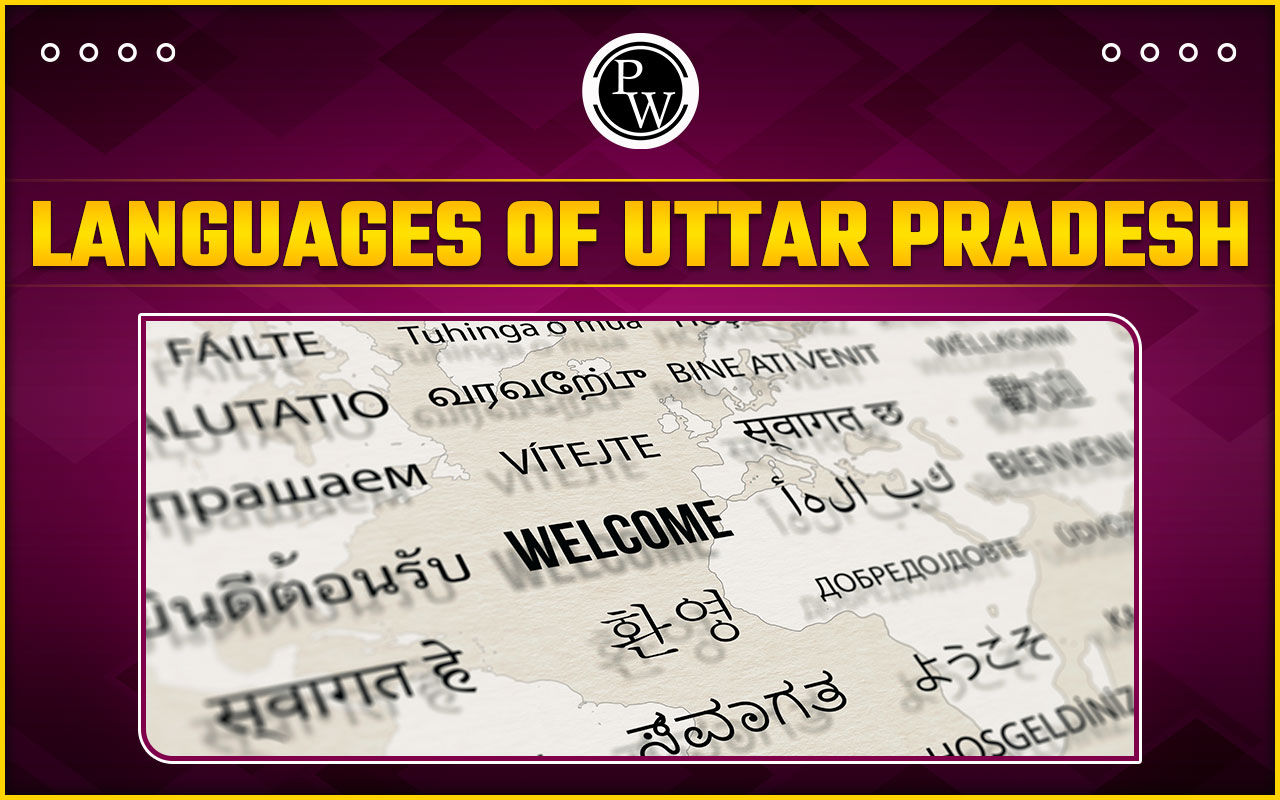
Languages Of Uttar Pradesh: Uttar Pradesh, India’s most populous state, is a vibrant mosaic of languages that reflect its deep-rooted history and diverse culture. From the classical elegance of Hindi and Urdu to the regional richness of Awadhi, Braj, and Bhojpuri, the languages of Uttar Pradesh offer a fascinating glimpse into the state’s cultural and literary heritage. This blog explores the linguistic diversity of UP, showcasing how each language contributes to the state’s unique identity and cultural fabric.
Languages of Uttar Pradesh
Uttar Pradesh (UP), India's most populous state, is a melting pot of cultures, traditions, and languages. This North Indian state is not only renowned for its historical significance and vibrant culture but also for its rich linguistic diversity. From classical languages to dialects with ancient roots, UP offers a fascinating tapestry of languages that reflect its historical and cultural evolution.
Wildlife Sanctuaries of Uttar Pradesh
Official and Widely Spoken Languages of Uttar Pradesh
1. Hindi
Hindi is the official language of Uttar Pradesh and the most widely spoken language in the state. As the lingua franca, it serves as the primary medium of communication in government, education, and daily interactions. The Hindi spoken in UP is primarily in its Standard form, which is also the basis for Modern Standard Hindi used across India.
2. Urdu
Urdu holds the status of the second official language of Uttar Pradesh. Historically associated with the Mughal era, Urdu is widely spoken, especially among the Muslim population in the state. Cities like Lucknow and Aligarh are known for their rich Urdu literary and cultural heritage, contributing significantly to Urdu poetry, literature, and music.
Dialects and Regional Languages of Uttar Pradesh
3. Awadhi
Awadhi is a prominent dialect spoken in the Awadh region of Uttar Pradesh, which includes cities like Lucknow, Faizabad, and Kanpur. This dialect has a deep literary tradition, exemplified by works such as Tulsidas's "Ramcharitmanas." Awadhi has a melodic tone and is often used in folk songs, poetry, and storytelling.
4. Braj Bhasha
Braj Bhasha, or simply Braj, is spoken in the Braj region, encompassing Mathura, Agra, and the surrounding areas. This dialect is historically significant as the language of classical poets like Surdas and the medium of devotional songs dedicated to Lord Krishna. The cultural heartland of Braj is celebrated for its festivals, particularly those associated with Krishna's legends.
5. Bhojpuri
Bhojpuri is widely spoken in the eastern regions of Uttar Pradesh, such as Varanasi, Gorakhpur, and Azamgarh. It is also prevalent in parts of Bihar and Jharkhand. Known for its vibrant folk traditions, Bhojpuri has a rich oral heritage, including folklore, songs, and theater. The popularity of Bhojpuri cinema and music extends beyond UP, reaching audiences in other states and even overseas Indian communities.
6. Bundeli
Bundeli is spoken in the Bundelkhand region, which straddles the border of Uttar Pradesh and Madhya Pradesh. This dialect has a distinct identity with its own set of phonetic and grammatical features. Bundeli literature, although less known than Awadhi or Braj, has its own body of poetry and folklore.
Minority and Tribal Languages of Uttar Pradesh
7. Punjabi
Punjabi is spoken by a significant minority, primarily by the Sikh community in cities like Kanpur, Lucknow, and Saharanpur. The presence of Punjabi in UP is a testament to the state's multicultural fabric and the migration patterns over the centuries.
8. Bengali
Bengali is spoken by a smaller community, mainly in urban centers. The Bengali-speaking population contributes to the cultural diversity of cities like Varanasi, known for its blend of traditions.
9. Tribal Languages
The tribal population in Uttar Pradesh, though not large, speaks languages such as Bhoti and Tharu. These languages are integral to the cultural identity and traditions of the indigenous communities, particularly in the regions bordering Nepal.
Contributions and Cultural Significance of Languages of Uttar Pradesh
The languages of Uttar Pradesh are not just means of communication but are carriers of the state’s rich cultural and historical legacy. Each language and dialect encapsulates centuries of tradition, art, and folklore, making UP a significant center of linguistic and cultural heritage.
Literary Contributions
- Hindi Literature : UP has produced some of the most celebrated Hindi writers and poets, such as Premchand, Harivansh Rai Bachchan, and Mahadevi Verma.
- Urdu Poetry : The state has been a cradle for renowned Urdu poets like Mir Taqi Mir, Mirza Ghalib, and Josh Malihabadi.
- Awadhi and Braj Literature : With epics like "Ramcharitmanas" and devotional poetry dedicated to Krishna, these dialects have immensely contributed to the spiritual and cultural ethos of India.
Cultural Festivals
- Awadhi Folk Festivals : Festivals like Holi and Diwali in the Awadh region are celebrated with folk songs and dances in Awadhi.
- Braj Festivals : The Braj region's Janmashtami and Holi celebrations are renowned for their colorful and lively traditions, with performances in Braj Bhasha.
- Bhojpuri Celebrations : Chhath Puja, a major festival in the Bhojpuri-speaking regions, showcases traditional songs and rituals in Bhojpuri.
Languages of Uttar Pradesh FAQs
Q.1 How many languages are there in Uttar Pradesh?
Q.2 Which language is spoken in Lucknow?
Q.3 What is the language of West Uttar Pradesh?
Q.4 What are the top 5 languages spoken in Uttar Pradesh?


 Live & recorded classes available at easeDashboard for progress trackingMillions of practice questions at your fingertips