






Paintings of Maharashtra, Famous Paintings, Warli Paintings
 Bhavya Upadhyay24 Jul, 2024
Share
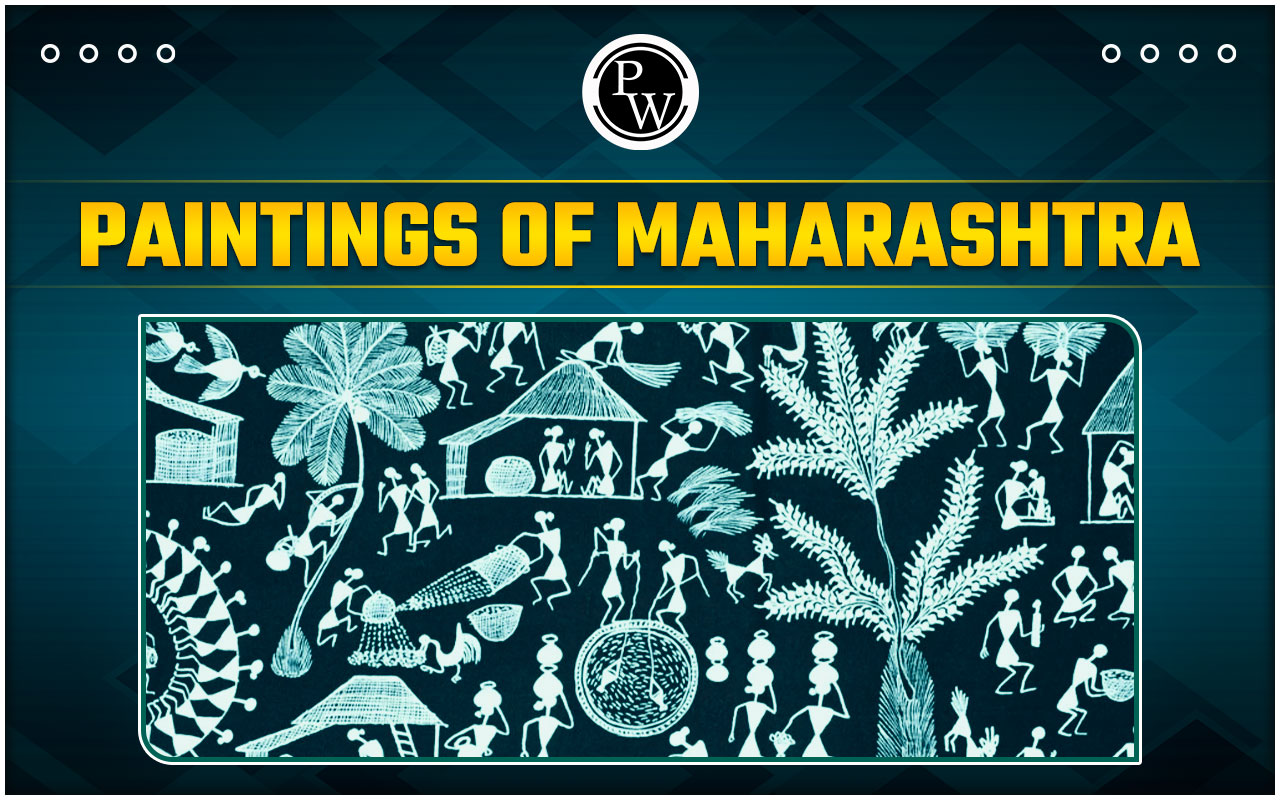
Paintings of Maharashtra: Maharashtra, a land steeped in history and culture, boasts a rich tradition of art that spans centuries. From the ancient murals of Ajanta and Ellora to the vibrant folk art of Warli and Pinguli, the paintings of Maharashtra reflect the diverse cultural tapestry of the region. Each form of painting, with its unique style and narrative, offers a glimpse into the lives, beliefs, and traditions of the people.
This blog explores ten distinct forms of paintings that highlight the artistic heritage of Maharashtra, celebrating the creativity and craftsmanship that continue to inspire generations.
Paintings of Maharashtra
Maharashtra, a vibrant and diverse state in Western India, is renowned for its rich cultural heritage. This heritage is beautifully reflected in its art forms, especially paintings. From ancient cave paintings to contemporary art, the paintings of Maharashtra offer a fascinating glimpse into the region's history, traditions, and creativity. Let's embark on a journey through the various styles and epochs of Maharashtrian paintings.
1. Ancient Cave Paintings of Maharashtra
Ajanta Caves
The Ajanta Caves, a UNESCO World Heritage site, are home to some of the most exquisite ancient paintings in Maharashtra. These Buddhist cave temples date back to the 2nd century BCE and are adorned with murals that depict the life of Buddha, Jataka tales, and various deities. The use of natural pigments and the intricate detailing in these paintings reveal the advanced artistic skills of the era.
Ellora Caves
Another UNESCO World Heritage site, the Ellora Caves, feature a blend of Buddhist, Hindu, and Jain cave temples. The paintings here, though fewer in number compared to Ajanta, are equally captivating. The murals, dating from the 5th to 10th centuries, illustrate religious themes and showcase a harmonious fusion of different cultural influences.
2. Warli Paintings of Maharashtra
Origins and Techniques
Warli art, originating from the Warli tribe in the Sahyadri region, is a unique and simplistic form of painting. Traditionally created on the walls of village homes, Warli paintings use a distinctive style of white pigment on a red ochre background. The art primarily features geometric patterns depicting daily life, farming activities, festivals, and social events.
Symbolism and Themes
The paintings are symbolic, often representing the harmony between humans and nature. Trees, animals, and human figures are recurrent motifs, drawn in a minimalistic yet expressive manner. The Warli style emphasizes the community’s connection to their environment and their respect for natural resources.
3. Paithani Paintings of Maharashtra
Paithani Sarees
Paithani paintings are closely associated with the traditional Paithani sarees, named after the town of Paithan. These sarees, known for their rich silk and intricate zari work, often feature elaborate paintings on their pallu (end piece). The designs include motifs like peacocks, lotuses, and other traditional symbols, all rendered in vibrant colors.
Evolution and Modern Influence
While the traditional designs remain popular, contemporary artists have begun experimenting with Paithani paintings on various mediums, including canvases and home decor items. This evolution has helped preserve and promote this art form in modern times.
4. Chitrakathi Paintings of Maharashtra
Storytelling Through Art
Chitrakathi is an ancient form of storytelling using paintings. Originating from the Thakar tribal community, these paintings are used to narrate stories from epics like the Mahabharata and Ramayana. Each painting serves as a visual aid in the storytelling process, with the artist narrating the tale alongside displaying the artwork.
Artistic Characteristics
Chitrakathi paintings are known for their bold outlines and vivid colors. They are usually created on handmade paper using natural dyes. The style is characterized by its straightforward depiction of characters and scenes, focusing more on narrative clarity than intricate details.
5. Ganapati Murals of Maharashtra
Festive Art
Ganapati murals are a vibrant part of Maharashtra's cultural scene, especially during the Ganesh Chaturthi festival. These murals depict various forms of Lord Ganesha, showcasing him in different poses and settings. The art is often colorful and detailed, reflecting the festive spirit and devotional fervor of the festival.
Community Participation
Creating these murals is a community activity, with artists and local residents coming together to decorate pandals (temporary structures) and public spaces. The tradition fosters a sense of unity and collective creativity, making it a cherished part of the festival.
6. Patachitra Paintings of Maharashtra
Maharashtrian Variation
While Patachitra is more commonly associated with Odisha and West Bengal, Maharashtra has its own variation of this traditional scroll painting. These paintings are characterized by intricate detailing and mythological themes, often depicting stories from the Mahabharata, Ramayana, and local legends.
Technique and Medium
Patachitra paintings are made on cloth or dried palm leaves, using natural dyes and pigments. The detailed brushwork and vibrant colors make these paintings visually striking and culturally significant.
7. Pinguli Paintings of Maharashtra
Folk Tradition
Pinguli art, originating from the village of Pinguli near Kudal, is another traditional form of painting in Maharashtra. This art form is closely linked to the local Thakar community and is used in their storytelling performances, known as Thakar Gatha.
Visual Storytelling
The paintings are typically created on cloth or paper and illustrate scenes from folktales, legends, and epics. The style is characterized by its use of bright colors and expressive figures, making it an engaging visual accompaniment to the narrative performances.
8. Mithila Paintings of Maharashtra
Regional Influence
Mithila paintings, also known as Madhubani art, have a significant presence in Maharashtra, especially in the regions with a sizable Maithil community. These paintings are traditionally done by women and feature intricate patterns and natural themes.
Artistic Elements
Mithila paintings use natural dyes and pigments, with subjects ranging from mythology and folklore to daily life and nature. The art is characterized by its elaborate borders, detailed motifs, and vibrant colors.
9. Bhil Paintings of Maharashtra
Tribal Art
Bhil paintings, originating from the Bhil tribe, one of the largest tribal communities in India, are known for their vibrant and colorful depictions of nature, animals, and deities. These paintings are deeply rooted in the tribe’s cultural and spiritual beliefs.
Techniques and Themes
Bhil artists use natural dyes and pigments, creating patterns with dots and lines. The paintings often reflect themes of fertility, harvest, and local legends, providing insight into the Bhil way of life and their relationship with nature.
10. Gond Paintings of Maharashtra
Symbolic Art
Gond paintings, though primarily associated with the Gond tribe of Central India, have found a place in Maharashtra's diverse artistic landscape. These paintings are known for their intricate designs and symbolic representations of flora, fauna, and deities.
Stylistic Features
Gond art employs a unique technique of creating textures through fine lines and dots. The use of vivid colors and detailed patterns makes these paintings visually captivating and culturally significant.
Paintings of Maharashtra FAQs
Q.1 Which paintings are famous in Maharashtra?
Q.2 What is Maharashtra known as for its painting?
Q.3 What is the art folk of Maharashtra?
Q.4 What is a Warli painting?
Q.5 What are the symbols of Warli art?










 Live & recorded classes available at easeDashboard for progress trackingMillions of practice questions at your fingertips

