






Paintings of Uttar Pradesh, Famous Paintings, Sanjhi Art, Folk Painting
 Bhavya Upadhyay17 Jul, 2024
Share
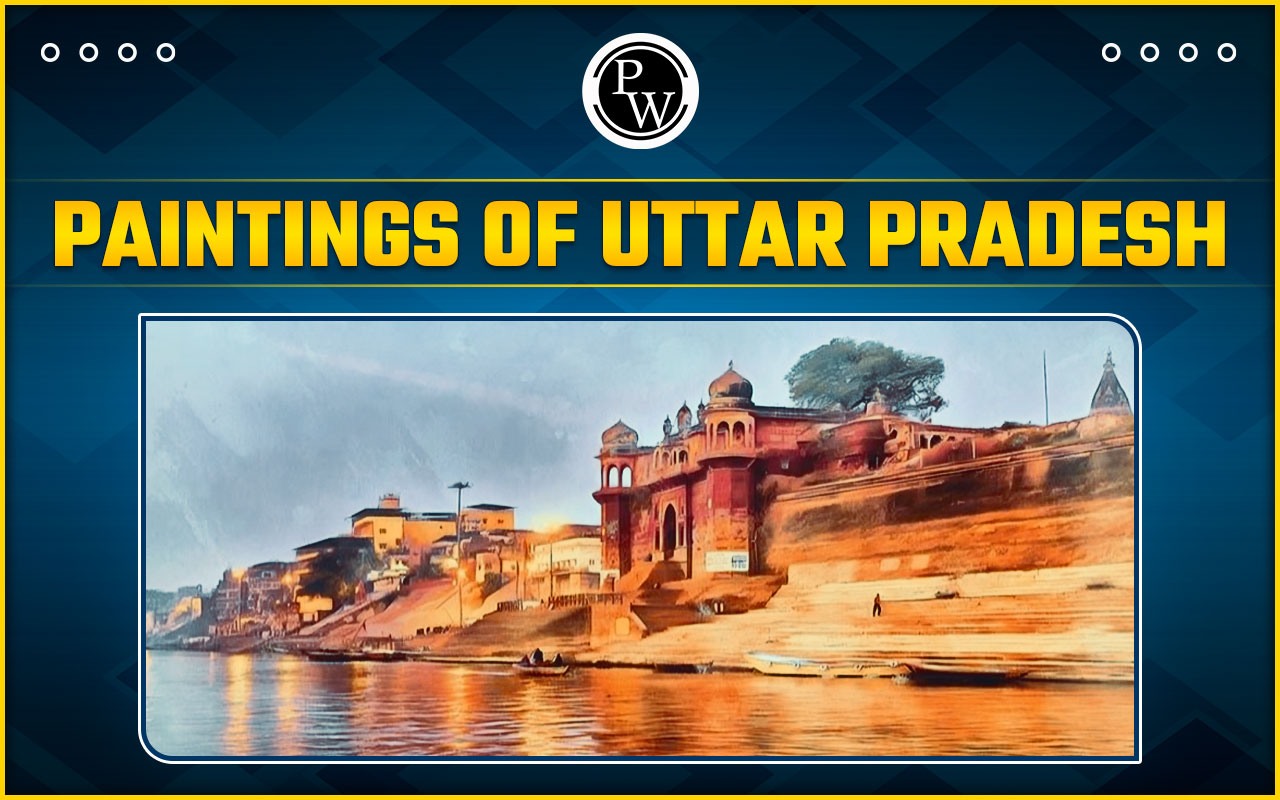
Paintings of Uttar Pradesh: Uttar Pradesh, a state teeming with historical grandeur and cultural richness, showcases a fascinating array of painting styles that span centuries. From the intricate Mughal miniatures to vibrant street art, the paintings of Uttar Pradesh reflect a deep connection to heritage, religion, and artistic innovation. This blog delves into the diverse painting traditions of Uttar Pradesh, exploring everything from traditional folk art to modern urban expressions, highlighting the unique stories and techniques that define each style.
Paintings of Uttar Pradesh
Uttar Pradesh, a culturally rich state in northern India, boasts a vibrant and diverse heritage of art and craft. Among its many artistic traditions, painting holds a special place. The state has been a cradle for various painting styles, each reflecting the unique socio-cultural milieu of its region. Here, we delve into the distinct painting styles of Uttar Pradesh, exploring their origins, techniques, and significance.
Sanjhi Paintings of Uttar Pradesh
Sanjhi paintings, traditionally associated with the region of Braj in Uttar Pradesh, are an exquisite form of stencil art. These paintings are intricately linked with the worship of Lord Krishna and his playful antics in the villages of Braj. Artists create delicate stencils on paper or banana leaves, depicting scenes from Krishna's life, which are then used to apply colored powders or flowers onto surfaces. The finesse and precision required to cut these stencils highlight the immense skill of Sanjhi artists. Originally a temple art form, Sanjhi paintings have now transcended religious boundaries to become a celebrated craft form appreciated worldwide.
Mirzapur Paintings of Uttar Pradesh
Mirzapur, known for its beautiful landscapes, also has a rich tradition of painting. The paintings from Mirzapur often depict rural life, nature, and local deities. These artworks are known for their vibrant colors and dynamic compositions. The use of natural dyes and pigments is a distinctive feature, adding to the authenticity and earthy charm of Mirzapur paintings. The themes usually revolve around local folklore, village scenes, and agricultural activities, providing a window into the everyday lives and culture of the people in this region.
Banda Paintings of Uttar Pradesh
Banda, another district in Uttar Pradesh, is renowned for its unique style of painting that reflects the cultural essence of the region. Banda paintings often portray mythological themes and historical events, with a particular focus on epic tales like the Ramayana and Mahabharata. The artists use bright colors and bold lines, making the scenes come alive with dramatic intensity. The traditional Banda paintings are done on paper, cloth, or walls, and are known for their detailed narration and vibrant storytelling.
Mughal Paintings of Uttar Pradesh
The Mughal era brought a significant transformation to the art scene in Uttar Pradesh, with Mughal paintings being one of the most notable contributions. This style, which flourished during the Mughal period, is characterized by its detailed and elaborate depictions of court life, battles, and royal portraits. The use of fine brushwork, intricate detailing, and rich colors are hallmarks of Mughal paintings. Uttar Pradesh, with Agra and Fatehpur Sikri as prominent centers, became a hub for these exquisite artworks. The fusion of Persian and Indian styles in Mughal paintings resulted in a unique genre that continues to be admired for its artistic excellence and historical significance.
Bundela Paintings of Uttar Pradesh
Originating from the Bundelkhand region, Bundela paintings are known for their historical and cultural significance. These paintings often depict scenes from the lives of the Bundela kings and their courts, as well as episodes from Hindu mythology. The style is marked by its bold lines, vibrant colors, and expressive figures. Bundela paintings also showcase the architectural grandeur of the period, with detailed backgrounds featuring palaces and temples. The emphasis on historical accuracy and the use of local elements make Bundela paintings a valuable cultural artifact.
Rajput Paintings of Uttar Pradesh
Rajput paintings, prevalent in the regions of Uttar Pradesh with Rajput influence, are a testament to the valor and romance of Rajputana culture. These paintings often illustrate themes of chivalry, love, and devotion, with a focus on heroic battles and romantic tales. The style is characterized by its use of bold colors, intricate patterns, and elaborate costumes. Rajput paintings from Uttar Pradesh also highlight the natural beauty of the region, with detailed depictions of flora and fauna. The Braj paintings, a subset of Rajput paintings, specifically celebrate the life and times of Lord Krishna, capturing his divine playfulness and love stories with Radha.
Braj Paintings of Uttar Pradesh
Braj paintings, originating from the Braj region, hold a special place within the broader Rajput painting tradition. These artworks predominantly revolve around the life of Lord Krishna, illustrating his childhood pranks, youthful dalliances with the Gopis, and his eternal love for Radha. The vibrant and lyrical style of Braj paintings captures the spiritual and playful essence of Krishna, making them immensely popular among devotees and art lovers alike. The use of natural colors and the depiction of pastoral scenes reflect the idyllic charm of the Braj region.
Jain Paintings of Uttar Pradesh
Jain paintings, with their roots in the rich Jain tradition of Uttar Pradesh, are known for their spiritual depth and meticulous detail. These paintings often depict the lives of Jain Tirthankaras, illustrating their teachings and significant events. The style is marked by its intricate detailing, use of gold and silver embellishments, and vibrant colors. Jain paintings from Uttar Pradesh not only serve as religious icons but also as exquisite works of art that reflect the spiritual and artistic heritage of the Jain community.
Modern Paintings of Uttar Pradesh
The modern art scene in Uttar Pradesh is a vibrant blend of traditional themes and contemporary expressions. Modern painters from the state have successfully incorporated traditional techniques into their contemporary works, creating a unique fusion that appeals to a global audience. Themes often range from social issues and abstract concepts to reinterpretations of mythological tales. The use of modern materials and innovative techniques has allowed artists to push the boundaries of traditional art forms, resulting in a dynamic and evolving art scene.
Pichwai Paintings of Uttar Pradesh
Pichwai paintings, although originating from Rajasthan, have found a significant presence in Uttar Pradesh, particularly in regions with a strong Vaishnavite influence. These paintings are detailed and intricate works of art depicting scenes from the life of Lord Krishna, especially his childhood and his role as the divine cowherd. Pichwai paintings are typically used as backdrops in temples and are characterized by their rich colors, fine detailing, and spiritual themes. The meticulous craftsmanship involved in creating Pichwai paintings makes them highly revered and sought after by collectors and devotees alike.
Chowkpurana Paintings of Uttar Pradesh
Chowkpurana, a traditional floor painting style of Uttar Pradesh, is an integral part of the state's cultural festivities. These ephemeral artworks are created during festivals and special occasions, using natural colors and rice paste. The designs often include motifs of flowers, deities, and geometric patterns, symbolizing auspiciousness and prosperity. Chowkpurana not only adds a decorative element to celebrations but also embodies the artistic spirit and cultural heritage of the people of Uttar Pradesh.
Street Arts of Uttar Pradesh
Street art in Uttar Pradesh is a burgeoning movement that brings art to public spaces, making it accessible to a wider audience. This contemporary form of expression often addresses social issues, celebrates local culture, and adds vibrancy to urban landscapes. Street artists use walls, buildings, and other public structures as their canvas, employing a variety of techniques from murals to graffiti. The emergence of street art festivals and initiatives in cities like Lucknow and Varanasi has fostered a growing appreciation for this dynamic and engaging art form.
Paintings of Uttar Pradesh FAQs
Q.1 Which painting is famous in Uttar Pradesh?
Q.2 What is the main art of Uttar Pradesh?
Q.3 In which part of Uttar Pradesh are the prehistoric paintings found?
Q.4 Who discovered Mirzapur painting?









 Live & recorded classes available at easeDashboard for progress trackingMillions of practice questions at your fingertips

