






Paintings of West Bengal, Kalighat Painting, Traditional Bengali Art
 Bhavya Upadhyay13 Aug, 2024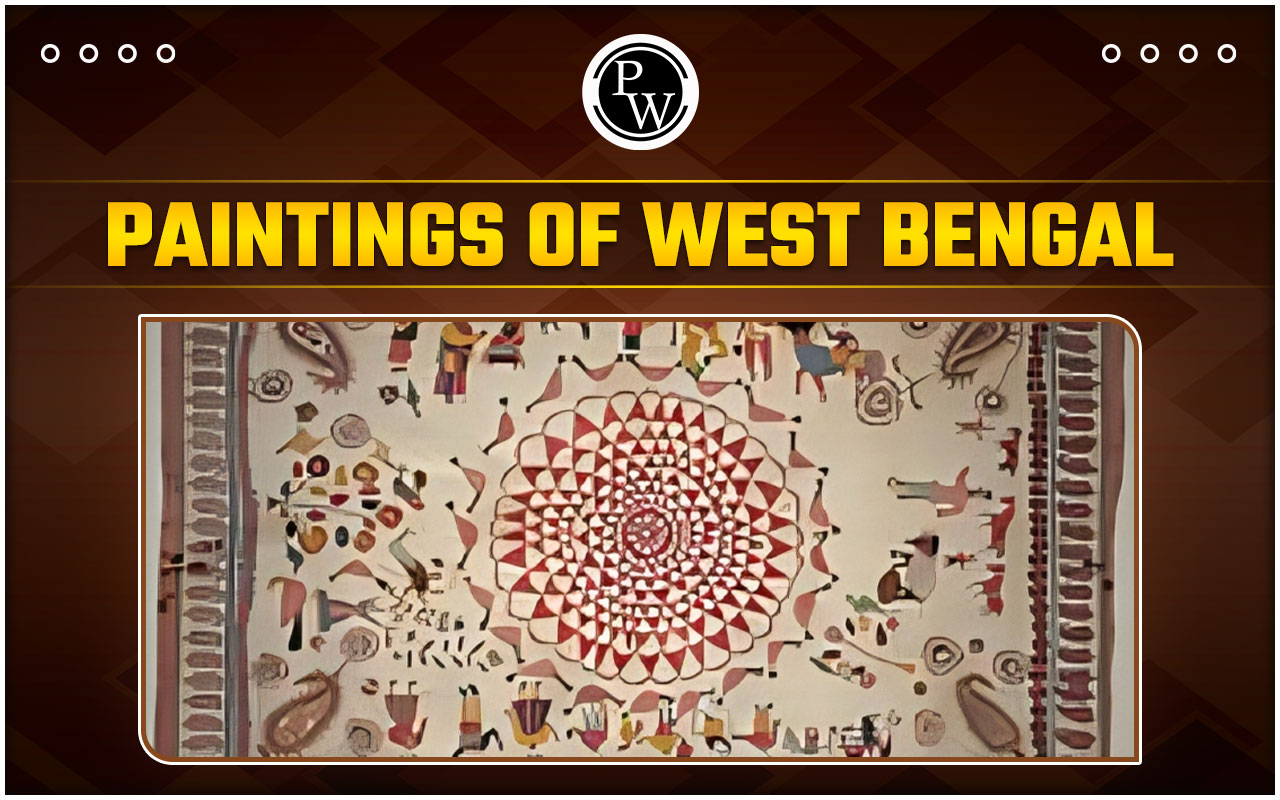
Paintings of West Bengal: West Bengal, an artistic melting pot in eastern India, boasts a rich tapestry of painting traditions. From the intricate Patachitra to the satirical Kalighat paintings, the state’s artistic legacy reflects its vibrant culture and history. Each painting style, with its unique aesthetic and thematic elements, tells a compelling story of Bengal's past and present. This blog explores ten prominent forms of painting from West Bengal, with a special focus on the influential and evocative Kalighat paintings.
Paintings of West Bengal
West Bengal, a cultural hub in eastern India, has a profound and varied artistic tradition. This state is a treasure trove of diverse painting styles, each with its unique charm and historical significance. From the traditional folk art of Patachitra to the intricate and contemporary Kalighat paintings, West Bengal's art scene is a vibrant mosaic of colors, themes, and techniques. Let's delve into the fascinating world of West Bengal's paintings, with a special focus on Kalighat paintings.
1. Kalighat Paintings of West Bengal
History and Origin
Kalighat paintings originated in the vicinity of the Kalighat Kali Temple in Kolkata during the 19th century. Initially created as souvenirs for pilgrims visiting the temple, these paintings quickly evolved into a distinct art form. They are characterized by their bold lines, bright colors, and satirical themes, often depicting social and political issues of the time.
Characteristics
Kalighat paintings are known for their simplicity and directness. The use of watercolor on mill-made paper, swift brushwork, and minimalistic backgrounds are key features. The themes range from mythological stories and religious icons to everyday life and contemporary events, often with a humorous or critical twist.
Influence and Legacy
The Kalighat style significantly influenced modern Indian art. Its emphasis on social commentary and the depiction of everyday life resonated with many contemporary artists. The paintings are now celebrated for their historical importance and unique aesthetic, making them a beloved symbol of Bengali culture.
2. Patachitra Paintings of West Bengal
Patachitra is an ancient folk art form that originated in Bengal and Odisha. These scroll paintings are traditionally created on cloth or dried leaves and depict mythological stories, folklore, and religious themes. The artists, known as patuas, often sing Pater Gaan (songs) while narrating the stories depicted in their paintings, making it a unique amalgamation of visual and performing arts.
3. Scroll Paintings of West Bengal
Similar to Patachitra, Scroll Painting involves long vertical scrolls depicting stories from epics, folklore, and religious texts. These scrolls are used in narrative performances, where the artist unrolls the scroll to reveal each part of the story, accompanied by songs and explanations.
4. Kantha Embroidery of West Bengal
Though primarily an embroidery technique, Kantha work is also considered a form of painting on fabric. Originating from rural Bengal, Kantha involves stitching old saris and cloths together using intricate patterns to create quilts and covers. The designs often depict scenes from daily life, nature, and mythology, showcasing the creativity and storytelling skills of rural women.
5. Madhubani Paintings of West Bengal
Madhubani, though traditionally from Bihar, has found a strong presence in West Bengal. These paintings are characterized by their vibrant colors, intricate patterns, and themes drawn from nature and mythology. They are done with natural dyes and pigments on handmade paper or cloth, often using tools like twigs, brushes, and even fingers.
6. Dhokra Art of West Bengal
Dhokra is a form of metal casting practiced by tribal communities in Bengal. While it is primarily a sculptural technique, Dhokra art often includes intricate designs and motifs that resemble painting. The themes are usually inspired by tribal life, nature, and mythology.
7. Terracotta Art of West Bengal
West Bengal is famous for its terracotta temples and sculptures, particularly in the Bankura district. The terracotta panels on these temples often depict detailed scenes from epics, daily life, and local folklore, showcasing a unique form of narrative art that blends sculpture and painting.
8. Santhal Art of West Bengal
The Santhal community, one of the largest tribal groups in India, has a rich tradition of wall paintings. These paintings, done using natural pigments, depict everyday life, festivals, rituals, and nature. The style is characterized by its simplicity, bold lines, and vibrant colors, reflecting the Santhal way of life and their close connection to nature.
9. Batik Print of West Bengal
Batik is a wax-resist dyeing technique that originated in Indonesia but has been embraced by Bengal artists. The process involves creating intricate patterns on fabric using wax and then dyeing it. Once the wax is removed, the patterns emerge in vibrant colors. Batik prints often feature floral designs, geometric patterns, and scenes from nature and mythology.
10. Alpona Paintings of West Bengal
Alpona is a traditional Bengali folk art form of painting designs on the floor using a paste made of rice flour. These designs are typically created during festivals, weddings, and other auspicious occasions. Alpona motifs often include geometric patterns, floral designs, and depictions of deities and symbols of prosperity.
Conclusion to Paintings of West Bengal
The painting traditions of West Bengal are as diverse as its cultural landscape. Each form of painting, from the ancient Patachitra to the contemporary Kalighat paintings, tells a story of the region's rich heritage and artistic innovation. Kalighat paintings, in particular, stand out for their unique style and socio-political commentary, making them a significant chapter in the history of Indian art. The vibrant art scene of West Bengal continues to thrive, preserving age-old traditions while embracing new ideas and techniques, ensuring that its artistic legacy remains dynamic and relevant.
Whether you're an art enthusiast or a casual admirer, the paintings of West Bengal offer a fascinating glimpse into the heart of Bengali culture and creativity.
Paintings of West Bengal FAQs
Q.1 What is the traditional art of West Bengal?
Q.2 Which prints are famous in West Bengal?
Q.3 Which art is famous in Kolkata?
Q.4 What is the symbol of West Bengal?










 Live & recorded classes available at easeDashboard for progress trackingMillions of practice questions at your fingertips

