






Tourism In Uttar Pradesh, Rural Tourism, Religious Tourism
 Bhavya Upadhyay5 Jun, 2024
Share
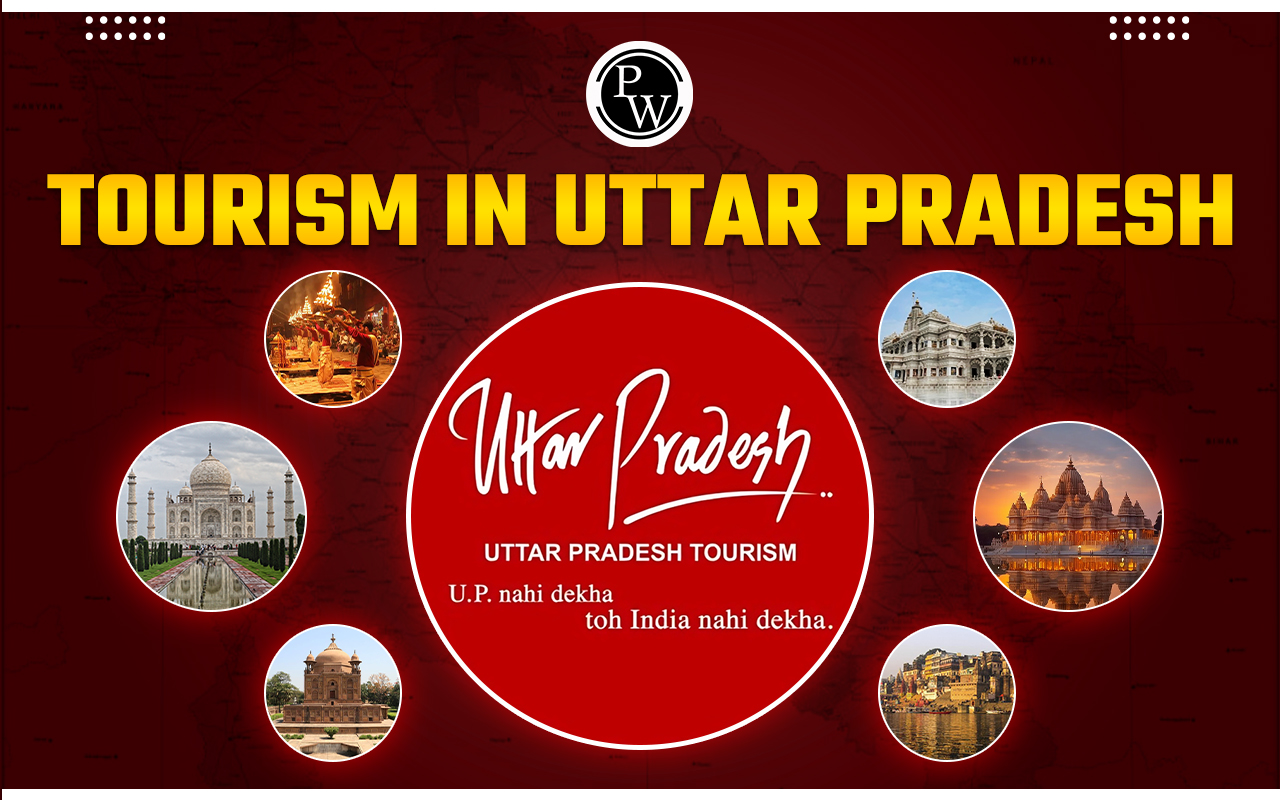
Tourism In Uttar Pradesh: Welcome to the heart of India, Uttar Pradesh, a state where history, culture, and spirituality converge to create an unparalleled tapestry of experiences. Known for its majestic monuments, sacred rivers, vibrant festivals, and lush landscapes, Tourism in Uttar Pradesh offers something for every traveler. Whether you are drawn to the architectural wonders of Agra, the spiritual aura of Varanasi, the regal splendor of Lucknow, or the mythical charm of Ayodhya, UP promises an enriching journey. Join us as we explore the myriad attractions and hidden gems that make Uttar Pradesh a must-visit destination for both domestic and international tourists.
Tourism in Uttar Pradesh Overview
Uttar Pradesh (UP), a northern state in India, is a land of diverse cultural heritage, historical landmarks, and natural beauty. As one of the most visited states in India, it offers a rich tapestry of experiences, from the iconic Taj Mahal in Agra to the spiritual ghats of Varanasi. Here's a brief overview of what makes Tourism in Uttar Pradesh truly remarkable:
| Tourism in Uttar Pradesh Overview | |
| Region | North India |
| Capital | Lucknow |
| Total Population | 199,812,341 (According to 2011 Census) |
| Geographical Area | 240,928 square kilometers |
| Total Districts | 75 |
| Religion | Hindu, Muslim, Christian, Sikh, Buddhist, Jain |
| Languages Spoken | Hindi, Urdu, English |
| Major Tourism Cities in UP | Agra, Mathura, Vrindavan, Ayodhya, Prayagraj, Kaushambi, Kapilvastu, Kushinagar, Shravasti, Varanasi, Chitrakoot, Lucknow, Jhansi |
| Major Tourist Attractions in UP | Taj Mahal, Agra Fort, Fatehpur Sikri, St. John's Church, Krishna Janmabhoomi Temple, Kashi Vishwanath Temple, Digambar Jain Temple, Sarnath, Bara Imambara, Chota Imambara, Dudhwa National Park, Chambal Wildlife Sanctuary |
Gems of Tourism in Uttar Pradesh
Uttar Pradesh (UP), located in the northern part of India, is a state rich in cultural heritage, history, and natural beauty. Known as the 'Heartland of India,' UP offers a plethora of tourist attractions ranging from ancient temples and historic monuments to vibrant festivals and scenic landscapes. This blog will take you through some of the most captivating destinations in Uttar Pradesh and provide insights into the diverse experiences the state has to offer.
1. Agra: The City of Taj Mahal
Taj Mahal
No visit to Uttar Pradesh is complete without witnessing the majestic Taj Mahal in Agra. This UNESCO World Heritage Site, built by Mughal Emperor Shah Jahan in memory of his beloved wife Mumtaz Mahal, is an epitome of love and architectural brilliance. The ivory-white marble mausoleum is set amidst lush gardens, with intricate inlay work, calligraphy, and precious stones adorning its facade. The best time to visit is during sunrise or sunset when the monument is bathed in a golden hue.
Agra Fort
Another UNESCO World Heritage Site, Agra Fort, is a massive red sandstone fortress that served as the main residence of the Mughal emperors until 1638. The fort houses several palaces, including the Jahangir Palace and the Khas Mahal, as well as the beautiful Musamman Burj, where Shah Jahan was imprisoned. Visitors can explore its sprawling courtyards, grand halls, and intricate carvings.
Fatehpur Sikri
Located 40 kilometers from Agra, this ancient city was founded by Emperor Akbar and is known for its stunning architecture. Key attractions include the Buland Darwaza, one of the largest gateways in the world, the Jama Masjid, and the Tomb of Salim Chishti, a revered Sufi saint. The city, built entirely of red sandstone, offers a glimpse into the grandeur of the Mughal era.
2. Varanasi: The Spiritual Capital of India
Ghats of Varanasi
Varanasi, one of the oldest continuously inhabited cities in the world, is famous for its ghats along the River Ganges. There are over 80 ghats, with Dashashwamedh Ghat and Manikarnika Ghat being the most prominent. Every evening, the Ganga Aarti, a mesmerizing ritual of lights and chants, is performed at Dashashwamedh Ghat, attracting thousands of devotees and tourists.
Kashi Vishwanath Temple
Dedicated to Lord Shiva, this temple is one of the most revered in Hinduism. The temple's gold-plated spire and domes, along with the sacred Jyotirlinga, draw pilgrims from across the globe. The temple complex also includes several smaller shrines and offers a spiritual atmosphere that is both vibrant and serene.
Sarnath
A short drive from Varanasi, Sarnath is where Gautama Buddha delivered his first sermon after attaining enlightenment. The Dhamek Stupa, built by Emperor Ashoka, is a significant structure here, along with the ruins of ancient monasteries and the Ashoka Pillar, which features the lion capital, now India's national emblem.
3. Lucknow: The City of Nawabs
Bara Imambara
This grand monument, built by Nawab Asaf-ud-Daula in 1784, is famous for its unique architecture. The central hall of Bara Imambara is one of the largest arched constructions without support beams in the world. The Bhool Bhulaiya, a labyrinth of narrow passageways, adds an element of mystery and adventure for visitors.
Rumi Darwaza
Also known as the Turkish Gate, this imposing gateway is an iconic symbol of Lucknow’s architectural heritage. Standing 60 feet tall, it was built by Nawab Asaf-ud-Daula as an entrance to the city and is a striking example of Awadhi architecture.
Hazratganj
A bustling market area, Hazratganj offers a mix of modern and traditional shopping experiences along with some of the best eateries in the city. The Ganjing experience is incomplete without visiting its old bookstores, eating at iconic cafes like Royal Cafe, and shopping for traditional Chikankari embroidered garments.
4. Allahabad (Prayagraj): The Confluence of Cultures
Triveni Sangam
The confluence of the Ganges, Yamuna, and the mythical Saraswati rivers is a significant pilgrimage site, especially during the Kumbh Mela, the largest religious gathering in the world. Pilgrims believe that bathing at the Sangam washes away sins and grants liberation.
Allahabad Fort
Built by Emperor Akbar in 1583, this fort stands on the banks of the Yamuna and offers a glimpse into the region’s Mughal past. The fort is home to the Ashoka Pillar, the Saraswati Koop, and the Patalpuri Temple. Although part of the fort is occupied by the Indian Army, certain sections are open to tourists.
Anand Bhavan
The ancestral home of the Nehru family, now a museum, provides insights into India's struggle for independence. The museum houses personal artifacts, books, and photographs that chronicle the life and times of Jawaharlal Nehru and his family.
5. Ayodhya: The Birthplace of Lord Rama
Ram Janmabhoomi
Believed to be the birthplace of Lord Rama, this site is of immense religious significance to Hindus. The Ram Mandir, currently under construction, promises to be a grand temple dedicated to Lord Rama and is expected to attract millions of devotees annually.
Hanuman Garhi
A temple dedicated to Lord Hanuman, known for its unique structure and panoramic views of Ayodhya. The temple is situated atop a hill and requires a climb of 76 steps, symbolizing devotion and perseverance.
6. Mathura and Vrindavan: The Land of Lord Krishna
Krishna Janmabhoomi
The birthplace of Lord Krishna, this temple complex attracts millions of devotees annually. The site includes a shrine marking the exact spot where Lord Krishna is believed to have been born, as well as several other temples dedicated to different deities.
Banke Bihari Temple
Located in Vrindavan, this temple is one of the most revered and is known for its vibrant festivities during Janmashtami and Holi. The idol of Lord Krishna in the temple is in the Tribhanga posture, symbolizing divine charm and grace.
Prem Mandir
A modern temple in Vrindavan, it is renowned for its intricate marble carvings and beautiful gardens. The temple, dedicated to Radha Krishna, also features enchanting light and sound shows depicting the life of Lord Krishna.
7. Wildlife and Nature
Dudhwa National Park
Located in the Terai region, this park is home to a variety of wildlife, including tigers, leopards, and the Indian rhinoceros. The park offers safaris, bird-watching opportunities, and a chance to explore the dense Sal forests and grasslands.
Chandraprabha Wildlife Sanctuary
Known for its picturesque landscapes and waterfalls, it is an ideal spot for nature enthusiasts and wildlife photographers. The sanctuary is home to several species of flora and fauna, including the Asiatic lion, which was reintroduced here as part of a conservation effort.
8. Festivals and Cultural Extravaganza
Diwali in Ayodhya
The Festival of Lights is celebrated with grandeur, with millions of diyas (oil lamps) illuminating the entire city. The Deepotsav event, marked by cultural performances, laser shows, and the lighting of lamps, attracts visitors from all over the world.
Holi in Mathura and Vrindavan
Known as the birthplace of Lord Krishna, these cities celebrate Holi with unmatched fervor and joy, attracting tourists from around the globe. The celebrations include vibrant processions, traditional music and dance, and the playful throwing of colored powders.
Kumbh Mela
Held every 12 years in Prayagraj, it is the largest religious gathering in the world, where millions come to bathe in the sacred waters of the Triveni Sangam. The event is marked by a display of spirituality, ascetic practices, and an array of cultural programs.
Uttar Pradesh is a treasure trove of cultural and historical wonders, offering a rich tapestry of experiences for every traveler. Whether you are seeking spiritual solace, historical insights, or simply wish to bask in the natural beauty of the region, UP has something for everyone. Plan your visit to this incredible state and immerse yourself in its diverse and vibrant heritage.
Tourism in Uttar Pradesh FAQs
Q.1 Why is Uttar Pradesh famous for tourism?
Q.2 Which is the most visited place in Uttar Pradesh?
Q.3 What is the rank of Uttar Pradesh in tourism?
Q.4 Which is the most beautiful city in UP?
Q.5 How many tourists visit Uttar Pradesh?










 Live & recorded classes available at easeDashboard for progress trackingMillions of practice questions at your fingertips

