







B.Des Fashion Design 2027: Eligibility, Fees, Syllabus & Career
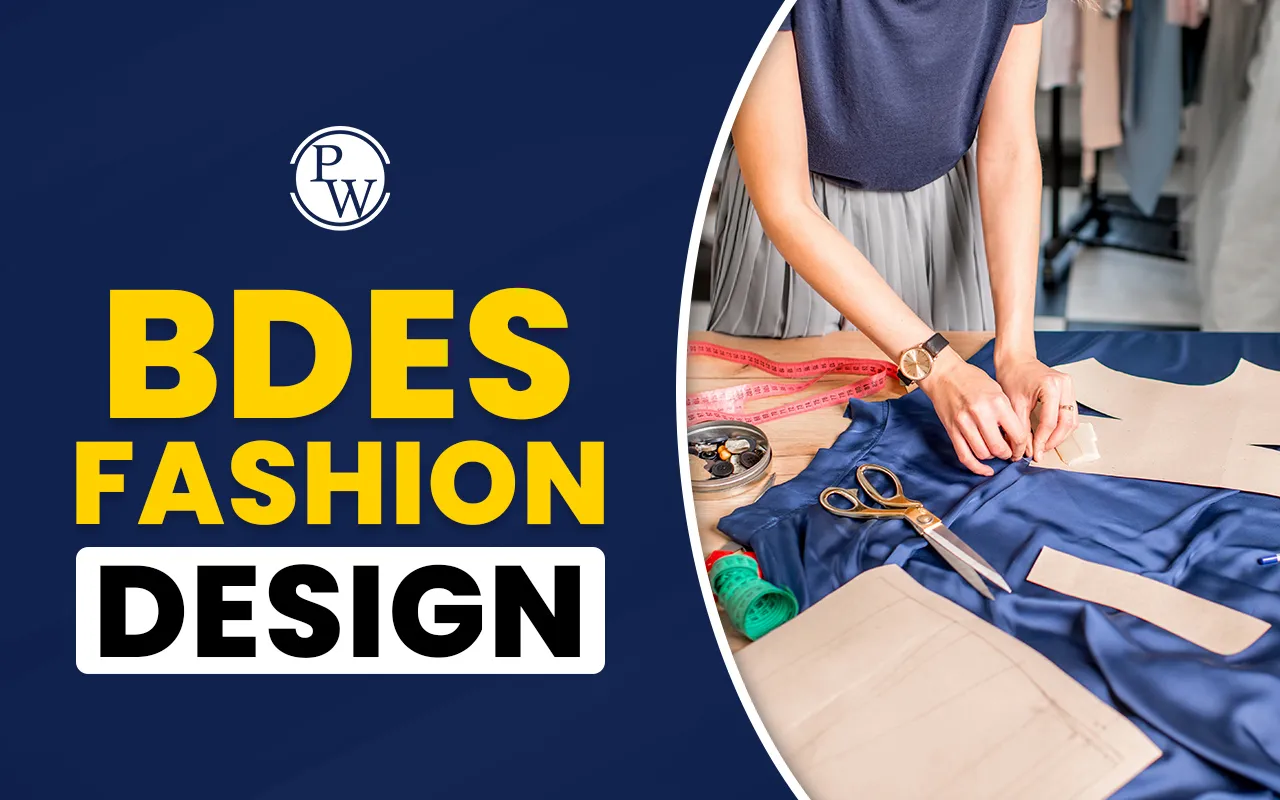
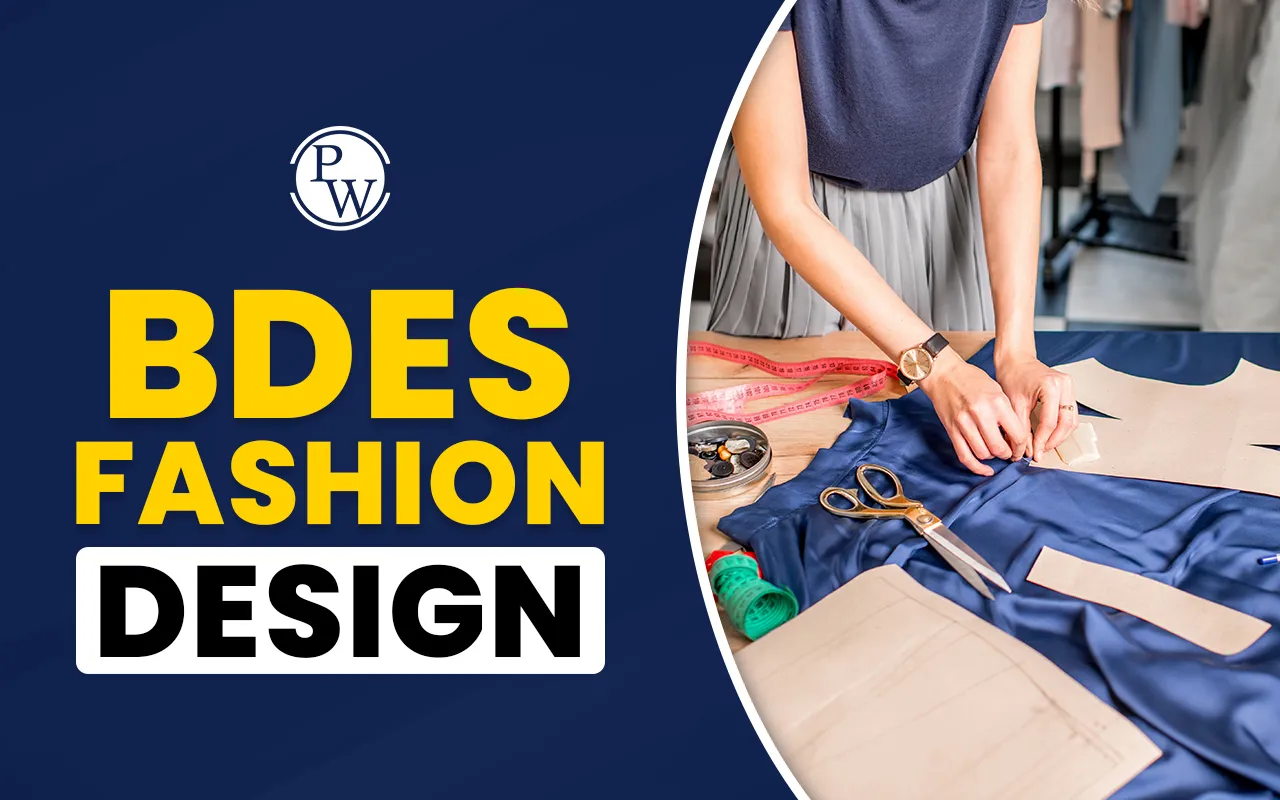
B.Des Fashion Design is an undergraduate course for individuals who want to get into the creative field of fashion. It is a four-year programme that enables students to design clothes, learn about fabric and trends, and create a professional portfolio. The course is a fusion of creativity and technical skills. Students who complete this course can easily get into the fashion world and bag a role that they will find exciting. The course starts from the basics of sketching and goes on to garment construction.
What is B.Des Fashion Design?
B.Des Fashion Design program is a course that deals with training related to garment making, textile science and trend forecasting. These are the notes on the important topics related to BDes Fashion Design, which is a four-year undergraduate course. The course educates students to gain skills in artistic design and the practical implementation of design development. The students get a proper understanding of the field of BDes Fashion Design and the scope that this interesting and colourful industry has to offer.
The BDes stands for Bachelor of Design and it is an undergraduate course. The course curriculum is based on different design-related branches. BDes Fashion Design is a program that is dedicated to training students to work in the field of fashion industry. The course helps in bringing creativity and art together and also gives technical knowledge to work as a designer. This undergraduate course also trains the students for jobs in design, production as well as marketing development.
B.Des in Fashion Design Eligibility 2027
Eligibility criteria for B.Des Fashion Design programs vary. Most institutions follow general guidelines.
-
Educational Qualification: Candidates must complete 10+2 from a recognized board.
-
Minimum Percentage: A minimum aggregate of 50% is commonly required. This percentage can differ by college.
-
Entrance Exams: Applicants often need to clear design entrance exams. Examples include UCEED, NID DAT, or NIFT. Some universities conduct their own specific tests.
-
Portfolio Submission: Many institutes request a portfolio. This showcases the candidate's creative work.
B.Des in Fashion Design Fees
The cost of a B.Des in Fashion Design program varies significantly. Factors include the type of institution and location.
-
Government Colleges: Annual fees typically range from INR 1-3 lakhs.
-
Private Universities: Annual fees can be between INR 3-10 lakhs.
-
Financial Aid: Scholarships and financial assistance are available for deserving students.
B.Des Fashion Design Syllabus 2027
The B.Des Fashion Design Syllabus is comprehensive. It covers theoretical knowledge and practical skills. Common subjects include:
-
Fashion Illustration and Design
-
Pattern Making and Draping
-
Textile Science and Fabric Study
-
Garment Construction
-
Fashion History and Theory
-
Computer-Aided Design (CAD)
-
Fashion Marketing and Merchandising
-
Portfolio Development
Career After B.Des Fashion Design
Graduates in B.Des Fashion Design have diverse career options. They can work in various segments of the fashion industry.
-
Fashion Designer: Creates original clothing and accessories.
-
Textile Designer: Designs patterns and prints for fabrics.
-
Merchandiser: Manages product lines from design to retail.
-
Stylist: Advises on clothing and accessories for individuals or media.
-
Costume Designer: Designs outfits for film, theatre, or television.
B.Des Fashion Design Salary
B.Des Fashion design salary depends on several factors. These include specialization, skills, and industry demand.
| B.Des Fashion Design Salary | |
|---|---|
| Career Role | Average Starting Salary (INR) |
| Fashion Designer | 3-8 lakhs per annum |
| Graphic Designer | 2.5-6 lakhs per annum |
| Interior Designer | 3-7 lakhs per annum |
| Product Designer | 4-8 lakhs per annum |
| Animator | 3-6 lakhs per annum |
Key Mechanisms of B.Des Fashion Design
The design process for a collection of fashion garments. First, there is the conceptualization process. Designers follow trends and create mood boards. Next, they sketch out their ideas to visualize the designs. Pattern making involves turning the sketches into garment components. Draping on a mannequin refines the fit and form of the design. Garment construction is the final stage, bringing the design to life. This structured approach results in a cohesive collection.
Trend Analysis
Fashion students learn to analyze current and future trends. This involves studying market data. They also observe cultural shifts and consumer behaviour. Trend forecasting informs design decisions. It ensures creations are relevant and commercially viable.
Portfolio Development
Creating a strong design portfolio is crucial. It showcases a student's best work. The portfolio highlights design skills and creative vision. It is essential for job applications and higher studies.
BDes Fashion Design FAQs
Q1: What are the eligibility criteria to get a seat in B.Des course?
Q2: What is the average salary after B.Des course in India?
Q3: How much is the BDes course fee in India?




Get Free Counselling Today
and Clear up all your Doubts
 Live & recorded classes available at easeDashboard for progress trackingLakhs of practice questions

