







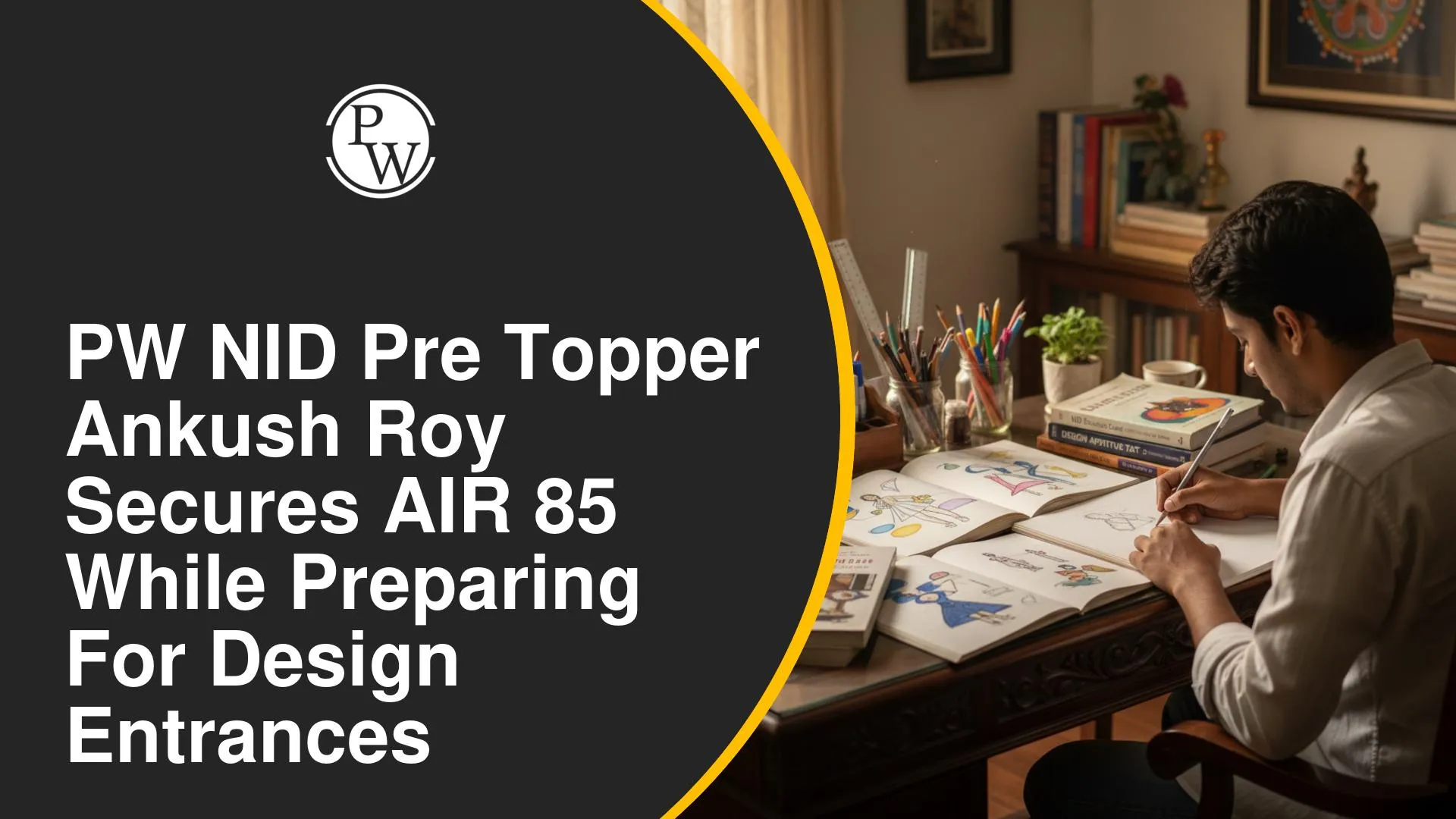
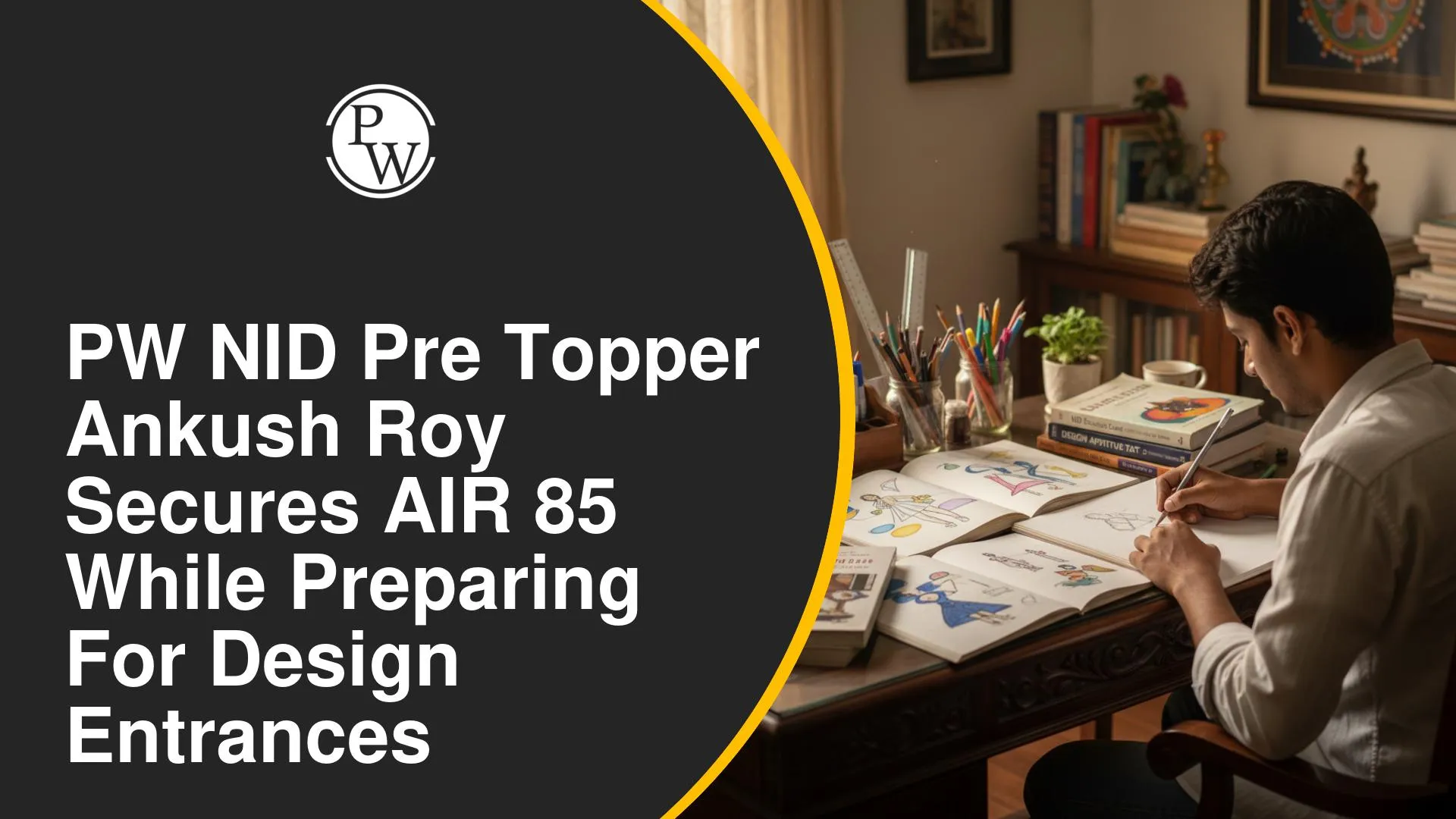
Ankush Roy’s path towards design did not begin with NID. He was initially preparing for JEE, following long study hours and a demanding routine before realising that the preparation was leaving him exhausted. Discovering design gave that discipline a new direction and made studying feel very different.
While still in school, Ankush prepared for major design entrance exams and secured strong results in both UCEED and NID Prelims, where he achieved AIR 85. His journey was shaped by a shift in career direction, consistent creative practice, and an interest that made the workload feel worth taking on.
Moving From JEE Preparation to Design
Ankush initially prepared for JEE and had already built the habit of studying for long hours. However, after an especially demanding period of preparation, he began reconsidering whether engineering was the right direction for him.
“Mera 18th birthday tha, toh maine us din 18 hours padhai ki... uske baad ek-do hafta bahut kharab ho gaya tha.”
Eventually, he discovered design and decided to shift his preparation.
“Uske baad maine chhod diya JEE aur mujhe tab designing ke baare mein pata chala, phir wahi start kar diya.”
The discipline from JEE stayed with him, but he found design preparation much more closely aligned with his interests.
How Ankush Approached NID’s Creative Section
Ankush was primarily preparing for UCEED, so when he began targeting NID, he increased his focus on the creative side of the examination.
“Main mainly UCEED ke liye prepare kar raha tha... phir maine mainly drawing part pe focus kiya.”
During the NID paper, he first looked through the questions and attempted the ones where ideas came to him quickly.
“Jo sabse easy tha woh attempt kiya, matlab jo dimaag mein sabse pehle aa gaya.”
Rather than spending too long on one difficult question, he moved through the paper according to what he could complete efficiently.
PW Helped Give His Preparation a Clearer Direction
One challenge Ankush faced was understanding what exactly needed to be covered for design entrances, since exams such as UCEED and NID do not follow the kind of fixed syllabus students may be used to.
This was where PW Design & Architecture helped him organise his preparation.
“Mujhe aapke class se bahut achha syllabus ka guide mila.”
The drawing feedback was another part he found useful.
“Drawing part ka feedback bhi chahiye hota hai, toh woh bhi mila.”
This helped him identify what to practise instead of approaching design preparation without a clear direction.
Balancing School With Design Entrance Preparation
Ankush achieved his results while still being a school-going student. His earlier JEE preparation had already covered a significant part of his board syllabus, while private tuition helped him continue managing school academics.
“Main school going tha.”
Once he shifted towards design around July, much of his remaining study time could be directed towards entrance preparation.
“Din mein 8 to 10 hours padhta tha... baaki time mein poora designing pe focus karta tha.”
Instead of starting his routine from scratch, Ankush carried the discipline he had developed during JEE preparation into his new goal.
PW Mock Tests Helped Him Test His Preparation
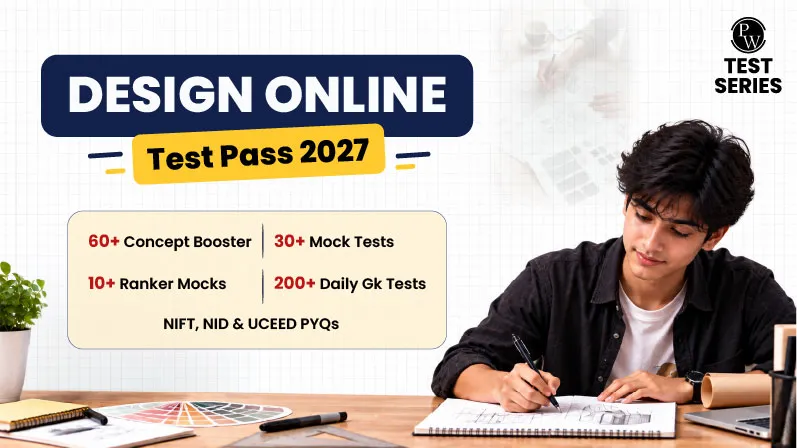
For Ankush, one of the most useful parts of PW Design & Architecture was the mock-test practice. Before that, much of his exam practice had been based on previous-year questions.
“Sabse important tha mock test.”
The mocks also gave him a realistic indication of where his preparation stood before the actual examination.
“Aapke yahan se mock test karke bahut help paya.”
Along with syllabus guidance and drawing feedback, these tests helped him move from simply practising concepts to checking how well he could apply them under exam conditions.
Design Felt Different Because He Was Interested in It
One of the biggest differences Ankush noticed after leaving JEE preparation was how he felt at the end of a study day. Long JEE study sessions often left him exhausted, while design preparation did not create the same feeling.
“JEE ke time pe jaise exhaust lagta tha na, waise kuch nahi laga.”
Even after spending the day preparing, he often still had energy left.
“Poora din khatam hone ke baad bhi energy bacha rehta tha.”
For Ankush, that difference reinforced how important genuine interest can be when choosing what to prepare for.
Ankush’s Message to Future Design Aspirants
After preparing for JEE, changing direction, managing school and eventually performing well in both UCEED and NID, Ankush’s advice is centred on one thing: interest.
“Agar aapko interest hai toh aapko koi problem nahi hoga.”
He cautions students against choosing design simply because someone else recommends it or because they are temporarily motivated by another person’s success.
“Agar forcefully hoga toh phir kuch nahi ho payega. Matlab interest hona bahut zaroori hai.”
For Ankush, AIR 85 in NID Prelims was not the result of following one perfect preparation formula. It came after changing direction, recognising what suited him better, carrying forward the discipline he had already built, and putting that effort into a field he genuinely enjoyed.


Have questions about your prep?
Our experts can answer all your questions
 Live & recorded classes available at easeDashboard for progress trackingLakhs of practice questions

