






Antiarrhythmic Drugs Benefits And Side-Effects
Antiarrhythmic drugs are crucial medications used to stabilize heart rhythm and prevent irregularities. Know the benefits and side effects of consuming Antiarrhythmic drugs here.
 Nivedita Dar12 Nov, 2024
Share
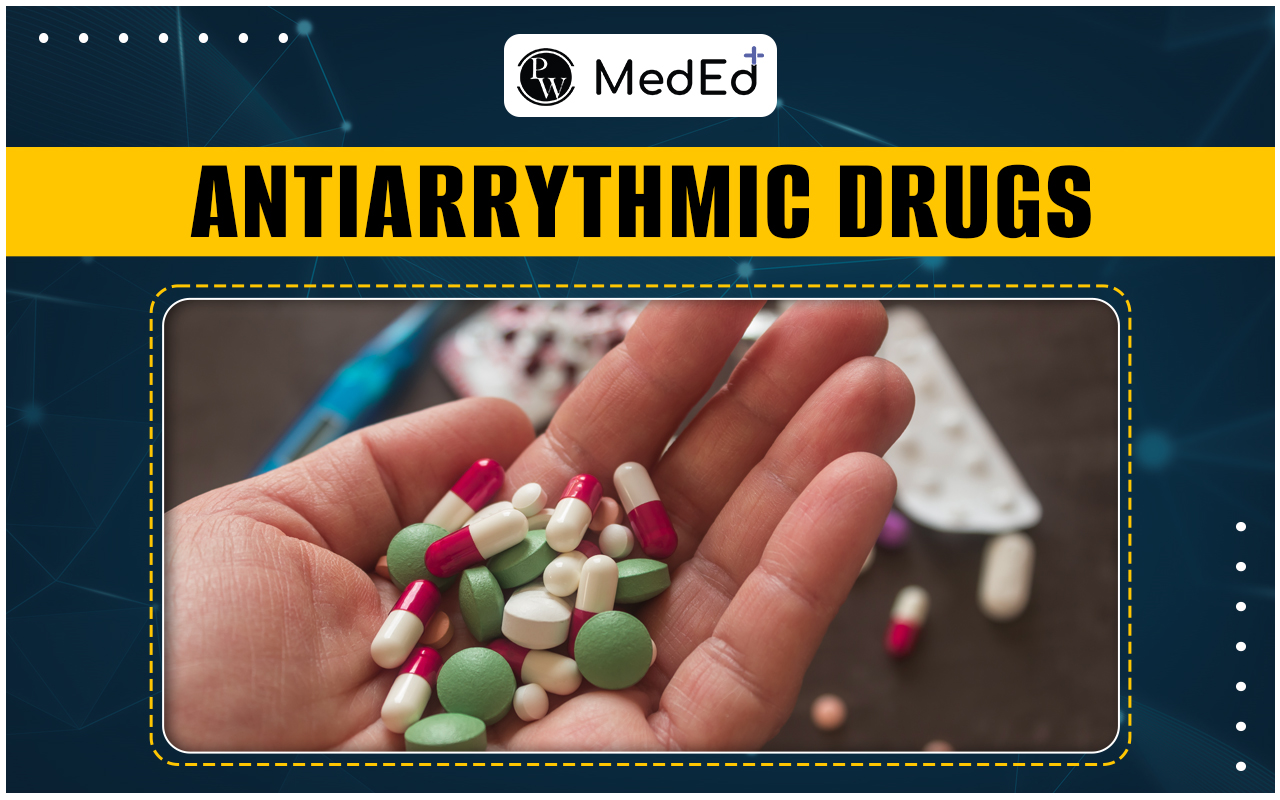
Antiarrhythmic drugs are medicines that help control and fix heartbeats when they're too fast or irregular. They make you feel better and prevent dangerous problems. Arrhythmia happens when your heart's electrical system doesn't work right. It can beat too fast, too slow, or in a weird way. Antiarrhythmics fix these abnormal heartbeats like atrial fibrillation, flutter, or ventricular problems.
Antiarrhythmic Drugs Overview
Antiarrhythmics are medications that correct abnormal heart rhythms by restoring the heart's normal rhythm or preventing arrhythmia episodes. The further details are mentioned below:- These medications target different parts of the heart's electrical system to achieve their effects:
- There are several classes of antiarrhythmics, each with its unique mechanism of action. These classes include sodium channel blockers, beta-blockers, potassium channel blockers, and calcium channel blockers.
- Most antiarrhythmic medications are taken orally to provide ongoing treatment and prevent the recurrence of arrhythmias.
- The choice of these medications depends on various factors, including the type of arrhythmia, its underlying cause, the patient's overall health, and any other medications they may be taking.
- It's essential for patients prescribed antiarrhythmics to follow their healthcare provider's instructions carefully, including dosage and timing of medication intake.
Classes of Antiarrhythmic Drugs
Antiarrhythmic drugs are divided into four groups based on how they work. They are classified using the Vaughan-Williams system. The table below describes each class in detail:| Types of Classes | Details | Examples |
| Class I, Sodium channel blockers | These drugs stop sodium from entering heart cells, which helps to slow down the heart's electrical signals. | Disopyramide, flecainide, mexiletine, propafenone, quinidine |
| Class II, Beta-blockers | These drugs lower the heart rate by blocking hormones like adrenaline. | Acebutolol, atenolol, bisoprolol, metoprolol, nadolol, propranolol |
| Class III Potassium channel blockers | These drugs block potassium from entering heart cells, which slows down the heart's electrical signals. | Amiodarone, bretylium, dofetilide, dronedarone, ibutilide, sotalol |
| Class IV, non-dihydropyridine calcium channel blockers | These drugs block calcium channels in the heart muscle, reducing heart rate and contractions. | Diltiazem, verapamil |
- Adenosine: This medicine can block or slow down electrical signals at a specific part of the heart called the atrioventricular node between the upper and lower chambers.
- Digoxin: This medication helps to slow the heart rate and strengthen the heart's contractions.
What Causes Arrhythmias?
Most commonly, arrhythmias occur due to problems with the heart's blood vessels, valves, or muscles, which affect its ability to maintain a regular rhythm. The other causes include the following:- Blockages in the heart's blood vessels can disrupt blood flow and lead to irregular heart rhythms.
- Abnormalities in the heart's electrical system, genetic or acquired, can trigger arrhythmias.
- Hypertension strains the heart, increasing the risk of rhythm disturbances.
- Conditions like cardiomyopathy, which affect the heart muscle's structure and function, can contribute to arrhythmias.
- Problems with the heart's valves can disrupt blood flow and lead to irregular heartbeats.
- Abnormal levels of blood minerals like potassium, sodium, and calcium can affect the heart's electrical activity.
- Damage to the heart from a heart attack or during surgical procedures can disrupt its normal rhythm.
- Various health issues, such as thyroid disorders, lung diseases, or infections, can cause arrhythmias.
Benefits of Using Antiarrhythmic Drugs
Antiarrhythmic drugs can work well, but sometimes, it takes a few attempts to find the right medicine and dosage that suits you best. It can help you feel better and avoid serious problems with an irregular heartbeat. They can ease symptoms like:- Chest pain.
- Feeling dizzy or light-headed.
- Fainting.
- Heart palpitations.
- Shortness of breath.
Risk Factors Using Antiarrhythmic Drugs
If you're on antiarrhythmic medication, healthcare providers must watch you closely. They can change your dosage or switch your medicine if your arrhythmia symptoms worsen. There are several overdose risks, including:- Confusion.
- Heart damage.
- Breathing problems.
- Sedation (being sleepy or unaware).
- Seizures.
- Coma.
Side -Effects of Using Antiarrhythmic Drugs
The medicines often have side effects; these drugs also have some of the side effects, including the following given below:- Constipation
- Dizziness.
- Excessive thirst
- Skin changes
- Headache
- Nausea
- Ringing in the ears (tinnitus)
- Sensitivity to the sun
- Swelling from fluid buildup (oedema)
- Trouble peeing
- Vision changes
- Worsening of asthma
Treatment Options for Arrhythmia
Treatment options for abnormal heart rhythms vary based on the type and severity of the arrhythmia. Here are some common approaches:- Medications: These medications help regulate the heart's electrical activity and restore a normal rhythm. They may be recommended if lifestyle changes alone are not sufficient, if the arrhythmia significantly impacts daily life, or if there's a risk of severe complications like heart failure or stroke.
- Lifestyle changes: In many cases, lifestyle modifications can help control arrhythmias. This may include reducing or eliminating factors that contribute to heart rhythm disturbances, such as excessive alcohol consumption, smoking, or caffeine intake. Regular exercise, maintaining a healthy weight, and managing stress can also support heart health and reduce the frequency of arrhythmias.
- Implanted medical devices: Devices like pacemakers or implantable cardioverter-defibrillators (ICDs) may be recommended for certain arrhythmias. Pacemakers help regulate slow heart rhythms by sending electrical impulses to the heart, while ICDs can deliver electrical shocks to restore normal rhythms in cases of dangerously fast heartbeats.
- Surgery: In some situations, surgical procedures may be necessary to treat arrhythmias. This could involve techniques like catheter ablation, where abnormal areas of heart tissue are destroyed using radiofrequency energy or cryotherapy, or surgical interventions to correct underlying structural issues in the heart.
How Long Should Antiarrhythmic Drugs be Taken?
Antiarrhythmics are generally prescribed for long-term use, often to manage arrhythmias over an extended period. Patients typically continue taking these medications until they are no longer effective in controlling the arrhythmia or until side effects become intolerable. Following the prescribed regimen and consulting a healthcare provider before changing the medication dosage or discontinuing treatment is essential. Stopping an antiarrhythmic medication without medical guidance can have adverse effects and may worsen the underlying heart condition. Therefore, patients should always follow their healthcare provider's instructions regarding the use and dosage of antiarrhythmic drugs.Interaction of Antiarrhythmic Drugs with Other Drugs
It's crucial to inform healthcare providers about all medications, including creams, inhalers, prescription drugs, over-the-counter medications, vitamins, minerals, herbs, supplements, or other natural health products. Antiarrhythmic medications can interact with other drugs, leading to adverse effects. If anyone has any concerns or questions about possible drug interactions, it's essential to discuss them with your cardiologist or pharmacist. Antiarrhythmics are medicines that help fix heartbeats. They make you feel better and control your heartbeat. But it's important to do what your doctor says and watch for any problems. Need more clarity on Antiarrhythmi c drugs ? Download the PW MedEd app and resolve all your doubts from the top medical expert s.<i><span style=
What is the most vital Antiarrhythmic drug?
Amiodarone is the strongest Antiarrhythmic drug.
What is the safest Antiarrhythmic drug?
Rhythmal and tambocor are well-tolerated drugs as they do not cause proarrhythmic.
Which antiarrhythmic drug has a long half-life?
Amiodarone has the most extended half-life of all the antiarrhythmics.
Which tablet is used to slow the heart rate?
Beta blockers are used to slow your heart rate.
🔥 Trending Blogs


Talk to a counsellorHave doubts? Our support team will be happy to assist you!


Check out these Related Articles







Join 15 Million students on the app today!
 Live & recorded classes available at easeDashboard for progress trackingMillions of practice questions at your fingertips


Free Learning Resources
PW Books
Notes (Class 10-12)
PW Study Materials
Notes (Class 6-9)
Ncert Solutions
Govt Exams
Our Other Websites
Class 6th to 12th Online Courses
Govt Job Exams Courses
UPSC Coaching
Defence Exam Coaching
Gate Exam Coaching
Other Exams
Know about Physics Wallah
Physics Wallah is an Indian edtech platform that provides accessible & comprehensive learning experiences to students from Class 6th to postgraduate level. We also provide extensive NCERT solutions, sample paper, NEET, JEE Mains, BITSAT previous year papers & more such resources to students. Physics Wallah also caters to over 3.5 million registered students and over 78 lakh+ Youtube subscribers with 4.8 rating on its app.
We Stand Out because
We provide students with intensive courses with India’s qualified & experienced faculties & mentors. PW strives to make the learning experience comprehensive and accessible for students of all sections of society. We believe in empowering every single student who couldn't dream of a good career in engineering and medical field earlier.
Our Key Focus Areas
Physics Wallah's main focus is to make the learning experience as economical as possible for all students. With our affordable courses like Lakshya, Udaan and Arjuna and many others, we have been able to provide a platform for lakhs of aspirants. From providing Chemistry, Maths, Physics formula to giving e-books of eminent authors like RD Sharma, RS Aggarwal and Lakhmir Singh, PW focuses on every single student's need for preparation.
What Makes Us Different
Physics Wallah strives to develop a comprehensive pedagogical structure for students, where they get a state-of-the-art learning experience with study material and resources. Apart from catering students preparing for JEE Mains and NEET, PW also provides study material for each state board like Uttar Pradesh, Bihar, and others
Copyright © 2026 Physicswallah Limited All rights reserved.