






Lightning Injuries Causes, Symptoms, Diagnosis, And Treatment Process
Lightning injuries can cause cardiac arrest, burns, and neurological damage and are often preventable with caution. Know more about lightning injury causes, symptoms, diagnosis, and treatment process here.
 Dr. Nivedita1 May, 2024
Share
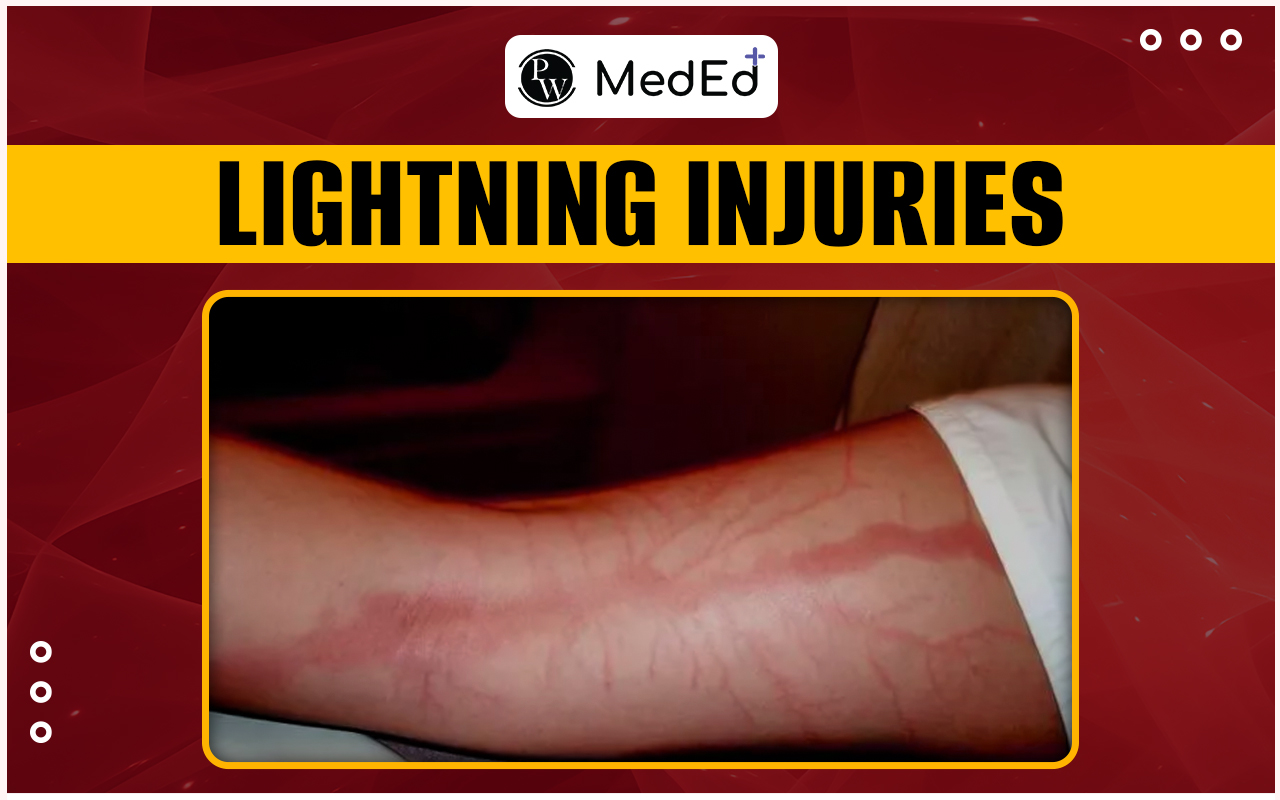
Lightning injuries occur when a person is struck directly or indirectly, leading to various immediate and long-term effects. These injuries can include cardiac arrest, respiratory failure, neurological damage, burns, and mechanical trauma from the explosive force of a strike.
Annually, lightning strikes are responsible for approximately 24,000 deaths worldwide, with survivors often suffering from significant health issues like memory deficits and chronic pai n. Prevention strategies emphasize seeking shelter during storms and avoiding open fields and tall structures to minimize risk. Read the article till the end to know more about Lightning Injury.Lightning Injuries Causes
The causes of lightning injuries are primarily based on how an individual interacts with the electrical discharge during a lightning event . Understanding these causes is vital for implementing safety measures and minimizing the risk of injury during thunderstorms. Here are several common ways that lightning can cause injuries:- Direct strike: The person is directly hit by lightning, one of the most direct and severe forms of lightning injury.
- Contact voltage: A person may be injured by touching or being near an object struck by lightning, such as metal fences or poles.
- Ground current: One of the most common forms, where lightning strikes an object or the ground, and the resulting electrical energy spreads out from the strike point, impacting people nearby.
- Conductive discharge: Occurs when lightning strikes a taller object near a person, and part of the current jumps to the person, often through a nearby object they are touching.
Lightning Injuries Symptoms
Lightning injuries can manifest various severe symptoms that affect various bodily functions . These symptoms are immediate and can have long-lasting effects on health. Identifying these signs can be crucial in administering effective medical care and potentially saving lives. Below are some of the critical symptoms exhibited by individuals struck by lightning:- Cardiac issues: Immediate effects can include cardiac arrest (the heart stops beating) or erratic heartbeats. In cases where the heart restarts, if breathing has not resumed, there can be oxygen deprivation.
- Neurological impact: Lightning strikes can cause immediate loss of consciousness. Severe brain injury might lead to coma, and survivors often experience confusion, memory loss, and slower thought processes.
- Physical injuries: The skin might show no visible marks or might exhibit minor burns with a distinctive feathering pattern. More severe internal burns are less common but possible.
- Sensory damage: Eardrums might be ruptured, and various eye injuries, including cataracts, can occur post-strike.
- Temporary paralysis: Both legs often experience temporary paralysis, becoming blue and numb, known as keraunoparalysis.
- Peripheral neuropathy: Damage to the peripheral nerves can lead to long-term numbness, tingling, and muscle weakness.
Lightning injuries Diagnosis
The diagnosis of lightning injuries involves several critical steps immediately after the incident. These steps aim to identify visible and underlying injuries that could impact the patient's recovery. Early and accurate diagnosis is crucial due to the complex nature of lightning injuries, which can affect the cardiovascular, nervous, and integumentary systems. Here are the detailed processes involved in diagnosing lightning injuries:- Physical Examination: A comprehensive physical exam assesses visible injuries and symptoms. This might include checking for burns, examining the eyes and ears for injuries, and evaluating neurological responses.
- Electrocardiogram (ECG): An ECG is performed to evaluate the heart for abnormalities. This test is crucial as lightning can cause immediate cardiac issues, such as arrhythmias or cardiac arrest.
- CT Scans and X-rays: Imaging tests such as CT scans or X-rays check for internal injuries, including fractures, bleeding, or damage to internal organs.
- Laboratory Tests: Blood and urine tests are conducted to detect any chemical imbalances or organ damage. These tests can help assess the extent of muscle damage and other internal injuries.
- Neurological Assessments: Detailed neurological exams may be performed, given the high risk of neurological damage from lightning strikes. These assessments help determine any cognitive impairments or motor function anomalies that may have resulted from the strike.
Lightning Injury Treatment Process
Treating lightning injuries is a critical process requiring immediate and ongoing medical intervention tailored to the specific needs and symptoms of the victim. Here's a breakdown of the treatment process for lightning injuries:Immediate Response and Stabilization:
- Emergency CPR: Initiate cardiopulmonary resuscitation if the victim is unresponsive and not breathing to preserve vital functions until emergency medical help arrives.
- Emergency Medical Services (EMS): Immediate contact with EMS is crucial. Upon their arrival, EMS will undertake further resuscitation efforts, if necessary, and transport the victim to a medical facility.
Hospital Treatment:
- Comprehensive Assessment: Once at the hospital, the patient undergoes a full assessment, which may include an electrocardiogram (ECG) to evaluate cardiac activity and various imaging tests like X-rays or CT scans to identify internal and skeletal damages.
- Medical Observation: Victims often require close observation in a hospital setting to monitor potential delayed effects of the strike, such as cardiac abnormalities and neurological issues.
Specific Interventions:
- Cardiac Care: Monitoring and managing heart conditions with medications or interventions to address arrhythmias or other cardiac injuries.
- Wound and Burn Care: Treating burns and other physical injuries may involve using burn creams, antibiotics to prevent infection, and surgeries for severe cases.
- Neurological Care: Management of neurological symptoms includes medications to reduce brain swelling and supportive therapies to recover function.
Supportive Treatments:
- Physical and Occupational Therapy: Rehabilitation services to help recover mobility and functional ability if the victim has experienced paralysis or other motor impairments.
- Psychological Support: Mental health support to address the psychological impact of the traumatic experience, which might include counselling or therapy for post-traumatic stress.
Follow-Up Care:
- Routine Monitoring: Regular follow-up visits with healthcare providers to monitor the recovery process, adjust treatments, and manage any long-term complications.
- Ongoing Rehabilitation: Continuous rehabilitation efforts may be required, depending on the severity of the injuries and the individual's recovery pace
Prevention of Lightning Injuries
Preventing lightning injuries involves taking proactive measures to minimize risk during thunderstorms. Here are a few more ways to prevent light injury.- At the first sound of thunder, find a safe place indoors, such as a substantial building with electricity and plumbing. If no buildings are available, a metal-topped vehicle with windows up can also offer protection.
- Do not use corded phones, computers, or electrical appliances during a storm. Avoid baths, showers, and faucets, as plumbing can conduct electricity.
- Remain indoors for at least 30 minutes after the last thunderclap. This duration ensures the storm has moved sufficiently far away to reduce the risk of strikes.
- Avoid open fields, the top of hills, or ridges if caught outside. Stay away from tall, isolated trees or other tall objects.
- If you cannot reach shelter, make yourself the smallest target by squatting low to the ground on the balls of your feet. Place your hands over your ears and your head between your knees to minimize contact with the ground.
When to Contact Your Healthcare Provider?
You should contact your healthcare provider if you experience any health concerns following a lightning strike or if you exhibit symptoms that may not immediately appear severe but could indicate underlying issues:- Persistent Pain: If you experience pain that doesn't improve with over-the-counter pain relievers.
- Trouble Breathing: Any difficulty breathing or shortness of breath that occurs after being outdoors during a storm.
- Changes in Physical or Mental Status : Confusion, difficulty remembering, or behavioral changes that could indicate neurological damage.
- Signs of Infection: Increased redness, swelling, pus, or fever around a burn or wound.
- Heart Rhythm Problems: Feelings of a fast, irregular, or pounding heartbeat.
Lightning injuries FAQs
What are the common types of lightning injuries?
Lightning injuries include direct strikes, side splashes, contact injuries, and ground currents.
What are the long-term effects of being struck by lightning?
About 75% of survivors experience significant long-term effects such as memory loss, chronic pain, cataracts, and hearing loss, which can persist and significantly impact the quality of life.
What are the odds of surviving a lightning strike?
While lightning strikes can be lethal, with immediate and appropriate medical response, many victims can survive. The survival largely depends on the quickness of the initial medical response and the type of lightning strike.
Is it safe to use electronic devices during a lightning storm?
Avoid using plugged-in electronic devices during a storm to reduce the risk of electrical injuries.
What is the 'lightning position' recommended during storms?
The lightning position involves crouching low to the ground with feet together, minimizing contact with the ground and reducing the risk of ground current injury.


Talk to a counsellorHave doubts? Our support team will be happy to assist you!


Check out these Related Articles






Join 15 Million students on the app today!
 Live & recorded classes available at easeDashboard for progress trackingMillions of practice questions at your fingertips


Free Learning Resources
PW Books
Notes (Class 10-12)
PW Study Materials
Notes (Class 6-9)
Ncert Solutions
Govt Exams
Class 6th to 12th Online Courses
Govt Job Exams Courses
UPSC Coaching
Defence Exam Coaching
Gate Exam Coaching
Other Exams
Know about Physics Wallah
Physics Wallah is an Indian edtech platform that provides accessible & comprehensive learning experiences to students from Class 6th to postgraduate level. We also provide extensive NCERT solutions, sample paper, NEET, JEE Mains, BITSAT previous year papers & more such resources to students. Physics Wallah also caters to over 3.5 million registered students and over 78 lakh+ Youtube subscribers with 4.8 rating on its app.
We Stand Out because
We provide students with intensive courses with India’s qualified & experienced faculties & mentors. PW strives to make the learning experience comprehensive and accessible for students of all sections of society. We believe in empowering every single student who couldn't dream of a good career in engineering and medical field earlier.
Our Key Focus Areas
Physics Wallah's main focus is to make the learning experience as economical as possible for all students. With our affordable courses like Lakshya, Udaan and Arjuna and many others, we have been able to provide a platform for lakhs of aspirants. From providing Chemistry, Maths, Physics formula to giving e-books of eminent authors like RD Sharma, RS Aggarwal and Lakhmir Singh, PW focuses on every single student's need for preparation.
What Makes Us Different
Physics Wallah strives to develop a comprehensive pedagogical structure for students, where they get a state-of-the-art learning experience with study material and resources. Apart from catering students preparing for JEE Mains and NEET, PW also provides study material for each state board like Uttar Pradesh, Bihar, and others
Copyright © 2026 Physicswallah Limited All rights reserved.