






Menstrual Cycle Phases, Irregularity, and Treatments
Menstrual cycle phases, irregularities, and treatments are pivotal topics in understanding female reproductive health. Learn about the phases, causes of irregularities in the menstrual cycle, and treatment process in brief here.
 Nivedita Dar12 Nov, 2024
Share
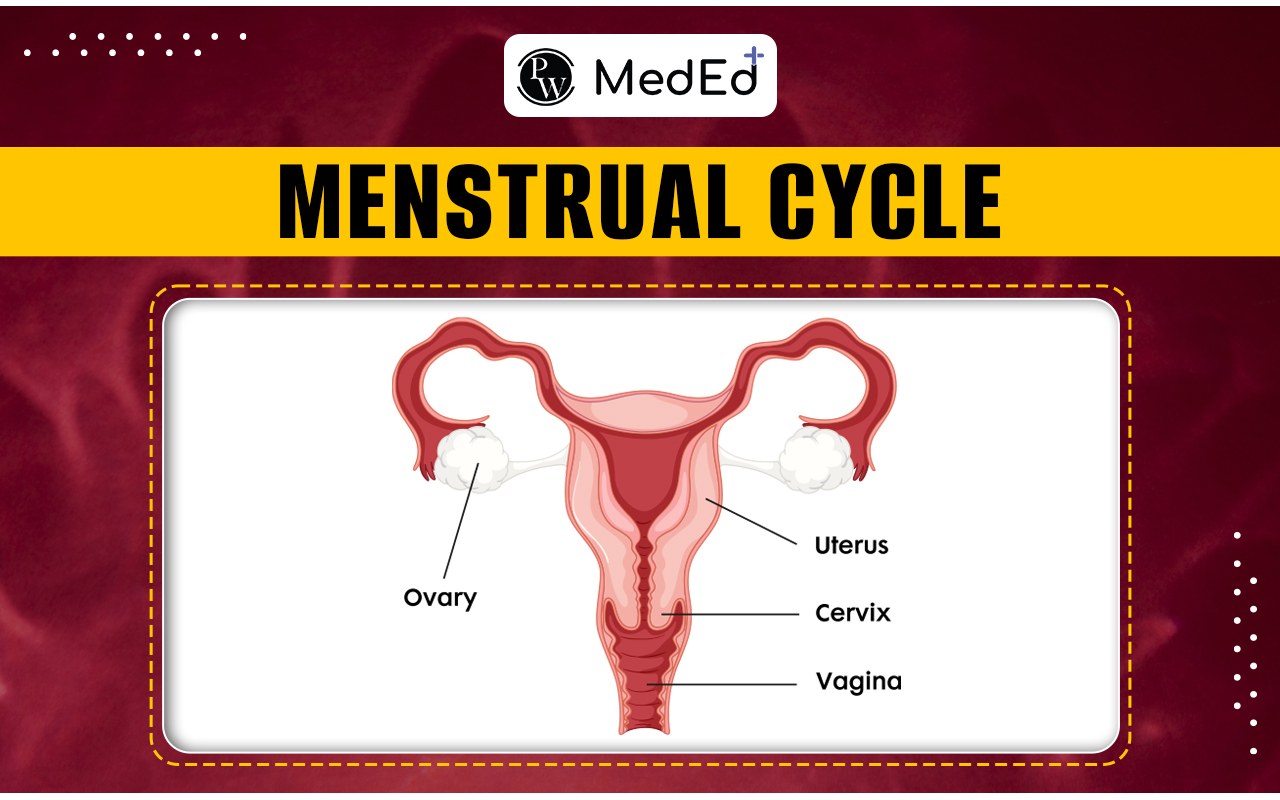
The menstrual cycle is a complex interplay of hormones that each month prepares the female body for pregnancy. This cycle encompasses several phases, each with distinct physiological changes. However, many women experience irregularities in their cycles due to various factors, including puberty, hormonal contraceptives, and the onset of menopause.
Understanding these irregularities and their causes is crucial for effective management and treatment. This blog explores the nuances of the menstrual cycle, delves into typical menstrual irregularities, and reviews treatment options available to help manage these conditions effectively. This knowledge is vital for maintaining reproductive health and overall well-being.What is the Menstrual Cycle?
The menstrual cycle is a natural biological process in women and female-bodied individuals that prepares the body for pregnancy each month . It involves a series of hormonal changes that regulate the growth, maturation, and release of an egg from the ovaries—known as ovulation—and the thickening and subsequent shedding of the uterine lining if pregnancy does not occur. This cycle typically spans 28 days but can range from 21 to 35 days. Menstrual health is a crucial indicator of overall reproductive health and can vary widely among individuals.Phases of Menstrual Cycle
The menstrual cycle is a complex series of changes in the female body aimed at preparing for pregnancy. There are four main phases: the menstrual phase, follicular phase, ovulation phase, and luteal phase, each characterized by unique hormonal changes and physiological responses . Let's discuss each of the four phases of the menstrual cycle in brief below:- Menstrual Phase : This initial phase starts with the shedding of the uterine lining, manifesting as menstrual bleeding if the previous month's ovulation did not result in pregnancy. Menstruation marks the beginning of the new menstrual cycle and typically lasts 3 to 7 days.
- Follicular Phase : Coinciding with the start of menstruation, this phase involves the pituitary gland releasing follicle-stimulating hormone (FSH). FSH stimulates ovarian follicles' growth, each containing an immature egg. Only one will mature into an egg as these follicles develop while the rest are reabsorbed. The growing follicles produce estrogen, thickening the uterine lining in preparation for a potential pregnancy. This phase extends until ovulation, lasting about 14 to 21 days.
- Ovulation Phase : Triggered by a peak in estrogen levels, ovulation occurs mid-cycle, around days 14 to 16 of a typical 28-day cycle. During this brief phase, the most mature egg is released from an ovary into the fallopian tube, where it may meet sperm and become fertilized. Signs of ovulation include changes in cervical mucus to a stretchy, egg-white consistency, slight abdominal pain, and breast tenderness.
- Luteal Phase : Following ovulation, the ruptured follicle transforms into the corpus luteum, which secretes progesterone. Progesterone maintains the thickened uterine lining in readiness for a fertilized egg. If fertilization does not occur, the corpus luteum degenerates, leading to a drop in hormone levels, which causes the shedding of the uterine lining and the start of menstruation, thus beginning the cycle anew.
What Results in Irregular Menstrual Cycles?
Irregular menstrual cycles are often the result of hormonal imbalances in the body, specifically fluctuations in estrogen and progesterone. These hormones regulate the menstrual cycle, and any imbalance can lead to irregularities such as delayed, missed, or erratic periods. These hormonal changes are typical during significant life transitions like puberty and menopause, and contraceptive use can also affect them. Starting or stopping birth control pills, for example, can significantly disrupt the normal rhythm of hormone levels. Beyond hormonal factors, lifestyle plays a critical role in menstrual health. Extreme weight fluctuations, excessive physical activity, and high stress can cause irregular menstrual cycles. For instance, weight loss or gain can affect the hormonal balance for regular menstruation. At the same time, intense exercise often leads to decreased body fat, which can inhibit ovulation and disrupt menstrual regularity. Medical conditions are also vital contributors to menstrual irregularities. Polycystic ovary syndrome (PCOS), thyroid disorders, and uterine abnormalities like fibroids or polyps can alter menstrual patterns . PCOS, for example, leads to an overproduction of androgens, which can prevent the ovaries from releasing eggs, resulting in irregular or missed periods. Additionally, the presence of an intrauterine device (IUD) or other forms of hormonal birth control can influence menstrual flow and timing, leading to lighter, heavier, or less frequent periods. Understanding these factors is crucial for addressing and managing menstrual irregularities. Women experiencing consistent irregularities should consult healthcare providers to determine the underlying causes and appropriate treatments. This proactive approach helps maintain reproductive health and prevent potential complications associated with irregular menstrual cycles.Effective Treatments for Menstrual Irregularities
Menstrual irregularities can disrupt daily life and pose concerns about reproductive health . The treatment strategy for these irregularities depends on the underlying cause, the severity of symptoms, and the individual's reproductive goals. Here's a streamlined approach to the standard treatments:Oral Contraceptives:
These regulate hormones, leading to more predictable menstrual cycles. They are often the first line of treatment for hormonal imbalances that cause irregular periods.Cyclic Progestin Therapy:
This involves the administration of progesterone to help regulate the menstrual cycle and ensure the regular shedding of the uterine lining, especially when oral contraceptives are not suitable.Lifestyle and Nutritional Adjustments:
Counselling and tailored nutritional guidance can play a crucial role, particularly for irregularities stemming from lifestyle factors or conditions like eating disorders.Hormone-Releasing Intrauterine Device (IUD):
For heavy or prolonged menstrual bleeding, an IUD can be effective in reducing blood loss while simultaneously serving as a contraceptive.Medications:
- Progestin or Tranexamic Acid: These are used to control excessive bleeding.
- NSAIDs : Help reduce menstrual pain and manage bleeding levels.
Surgical Treatments:
- Removal of Polyps or Fibroids: This directly addresses physical abnormalities contributing to irregular bleeding.
- Uterine Artery Embolization : A minimally invasive procedure to decrease blood flow to fibroids, reducing their size and impact.
- Endometrial Ablation: Destroys the lining of the uterus to reduce menstrual bleeding.
- Hysterectomy: The surgical removal of the uterus, considered in severe cases where other treatments have not been effective.
Menstrual cycle FAQs
Why do periods become irregular during puberty?
During puberty, hormonal levels fluctuate significantly as the body adjusts, often leading to irregular menstrual cycles until they stabilize.
How does menopause affect menstrual regularity?
Menopause typically starts between ages 45 and 55 and can cause irregular periods as hormone production declines and ovulation becomes less frequent.
Can pregnancy cause irregular periods?
A missed period is often one of the first signs of pregnancy, as hormonal changes to support pregnancy halt the menstrual cycle.
How do hormonal contraceptives influence menstrual cycles?
Contraceptives like the progestogen-only pill, contraceptive injections, and intrauterine systems (IUS) can cause irregular or skipped periods by altering natural hormone levels and ovulation patterns.
Is it normal to experience irregular periods after starting hormonal contraception?
Yes, it's common to experience irregular bleeding or spotting when you first start using hormonal contraception as your body adjusts to new hormone levels.
🔥 Trending Blogs


Talk to a counsellorHave doubts? Our support team will be happy to assist you!


Check out these Related Articles








Join 15 Million students on the app today!
 Live & recorded classes available at easeDashboard for progress trackingMillions of practice questions at your fingertips


Free Learning Resources
PW Books
Notes (Class 10-12)
PW Study Materials
Notes (Class 6-9)
Ncert Solutions
Govt Exams
Class 6th to 12th Online Courses
Govt Job Exams Courses
UPSC Coaching
Defence Exam Coaching
Gate Exam Coaching
Other Exams
Know about Physics Wallah
Physics Wallah is an Indian edtech platform that provides accessible & comprehensive learning experiences to students from Class 6th to postgraduate level. We also provide extensive NCERT solutions, sample paper, NEET, JEE Mains, BITSAT previous year papers & more such resources to students. Physics Wallah also caters to over 3.5 million registered students and over 78 lakh+ Youtube subscribers with 4.8 rating on its app.
We Stand Out because
We provide students with intensive courses with India’s qualified & experienced faculties & mentors. PW strives to make the learning experience comprehensive and accessible for students of all sections of society. We believe in empowering every single student who couldn't dream of a good career in engineering and medical field earlier.
Our Key Focus Areas
Physics Wallah's main focus is to make the learning experience as economical as possible for all students. With our affordable courses like Lakshya, Udaan and Arjuna and many others, we have been able to provide a platform for lakhs of aspirants. From providing Chemistry, Maths, Physics formula to giving e-books of eminent authors like RD Sharma, RS Aggarwal and Lakhmir Singh, PW focuses on every single student's need for preparation.
What Makes Us Different
Physics Wallah strives to develop a comprehensive pedagogical structure for students, where they get a state-of-the-art learning experience with study material and resources. Apart from catering students preparing for JEE Mains and NEET, PW also provides study material for each state board like Uttar Pradesh, Bihar, and others
Copyright © 2026 Physicswallah Limited All rights reserved.