Molluscum Contagiosum Causes, Symptoms, Complications, And Treatment Process
Molluscum contagiosum is a viral skin infection characterized by small, painless bumps spread through direct skin contact. Learn more about the causes, symptoms, diagnosis, and treatment process of Molluscum contagiosum here.
 Dr. Nivedita10 May, 2024
Share
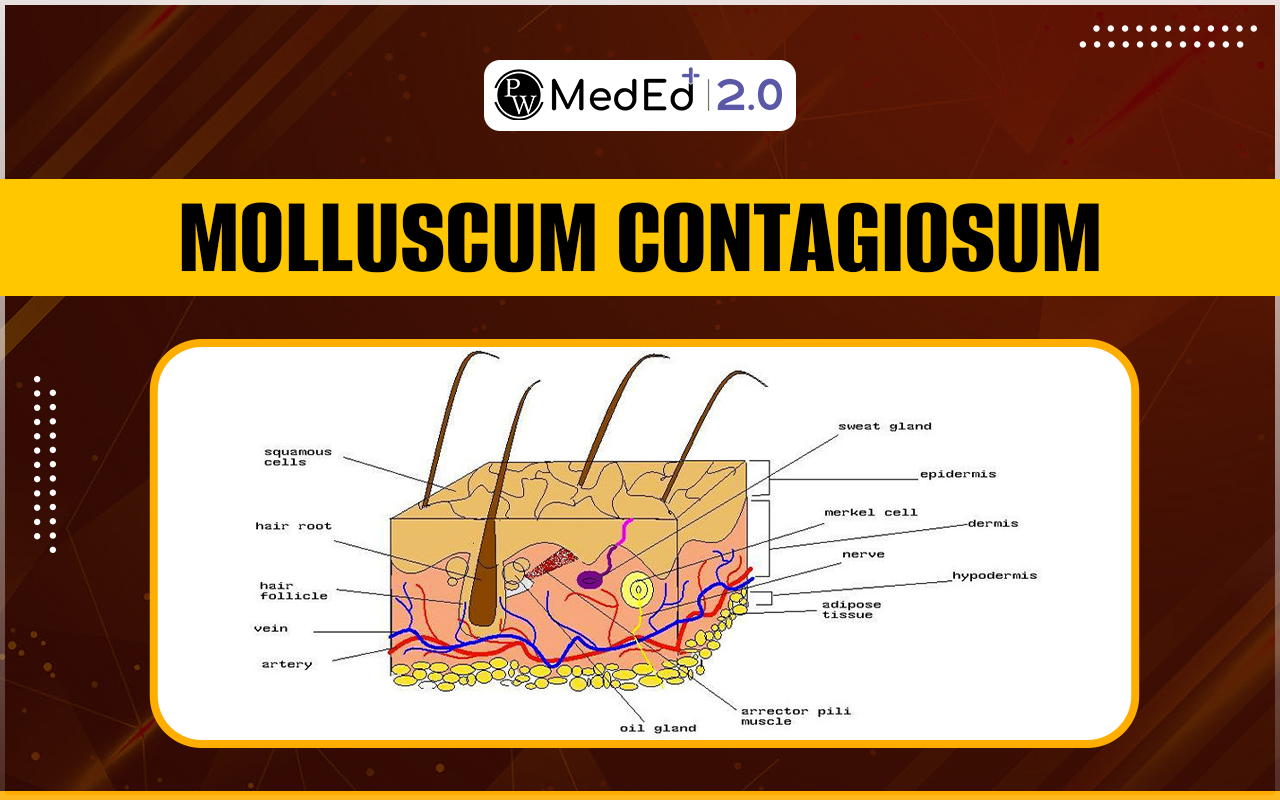
Molluscum contagiosum is a common and contagious viral skin disease. It results in the development of pearl-like, rounded, elevated bumps on the skin, which may persist for a few months or years. Although it usually heals on its own, there are a few different ways to treat it.
What is Molluscum Contagiosum?
Molluscum contagiosum refers to a skin infection caused by a poxvirus, or Molluscum Contagiosum virus). Little, raised nodes appear on skin that is usually white but can also seem pink or purple depending on your skin tone. The illness can cause bumps anywhere on your skin, but the face, neck, arms, legs, and genitalia are the most prevalent places. The bumps are usually not painful and go away on their own without leaving any marks. If the bumps are damaged or scratched, the infection may spread to adjacent skin. Molluscum contagiosum can spread through person-to-person contact and handling infected objects .Causes of Molluscum Contagiosum
The Molluscum contagiosum virus (MCV), a member of the poxvirus family, is what causes Molluscum contagiosum. Intimate, direct contact with an infected person can spread the viral infection. The virus spreads quickly in the following ways:- Skin-to-skin contact
- Touching contaminated items like mats, kickboards, and towels.
- Swimming in hot tubs or pools that have been infected with the virus
- Having sex with a partner who is infected
- Rubbing or scratching the bumps, which allows the virus to spread to adjacent skin
Symptoms of Molluscum Contagiosum
Molluscum contagiosum (MCV) typically forms in little clusters, stays on the epidermis, and can travel to other areas of the body. It takes two to seven weeks for these symptoms to appear after contracting the virus. Signs and symptoms of the disease include:- Raised and spherical bumps
- Tiny lumps that are usually less than 6 mm in diameter
- Bumps with a tiny dot or dent in the middle or at the top
- Pink-colored, itchy pimples
- Bumps on faces, necks, arms, or legs
- Bumps on an adult's inner thighs, lower belly, or genitalia if the infection was acquired through sexual contact
Transmission of Molluscum Contagiosum
The disease can be transmitted to other individuals in a variety of ways, as follows:- Touching an infected person through the skin : It is possible to contract the disease by coming into contact with an infected person's skin sores. When kids play with other kids in a typical way, they can spread the illness. Sexual interaction is the most common way for adults to get it. Football and wrestling are more contact sports where you can get infected by touching the skin.
- Contact with materials touched by someone who has Molluscum contagiosum: Surfaces that come into contact with skin can cause the virus to spread. You can contract the virus by touching contaminated toys, clothes, towels, or other items.
- Sharing athletic gear that has come into contact with Molluscum contagiosum sufferers : The infection may still be present on the device and spread to other people. Football helmets, wrestling mats, and baseball gloves are a few examples of this.
- Internal spread: The infection can spread throughout your body by rubbing, shaving, or scraping a bump and then contacting another area of your body.
Risk Factors for Molluscum Contagiosum
While Molluscum contagiosum can affect anyone, certain conditions may increase the risk of infection, as mentioned below.- Youngsters under the age of ten
- Who lives in tropical regions?
- Those with weakened immune systems
- Who plays contact sports where skin-to-skin contact is more common?
- Those who suffer from atopic dermatitis
Complications of Molluscum Contagiosum
- You will likely experience irritation on the skin surrounding the lumps. It is believed that this is how the immune system is reacting to the illness.
- These bumps can develop more infected areas if they are scratched and leave scars when healed.
- Pink eye, also known as conjunctivitis, can occur if the disease affects the eyelids.
- Impetigo is a skin illness that appears when lesions are scratched.
- Diffused secondary eczema, which could happen as a result of your immune system overreacting to the virus
- Larger-than-usual and widespread bumps may develop on the face, especially in patients with weak immunity.
- Scarring results from lesion removal surgery.
Diagnosis of Molluscum Contagiosum
A medical professional will do a physical examination of your skin conditions and ask questions to learn more about your symptoms before making the diagnosis of molluscum contagiosum infection. A diagnosis will be made based on how the bumps or blemishes on your skin appear. The doctor may perform a skin biopsy by taking a little piece of the pimple from your skin to analyze it critically and identify the nature and extent of the infection.Treatment of Molluscum Contagiosum
Medical intervention is often optional since the disease resolves on its o wn. Treatment may be suggested if the person has significant lesions on their face or neck, an underlying skin problem, or worries about transmitting the virus. Without treatment, it typically improves in six months to two years. For patients with weak immune systems and experiencing painful symptoms, treatment options include the following:- Curettage: This is the process of removing the blemish with a sharp-edged, spoon-shaped tool, maybe under local anesthesia.
- Cryotherapy: This technique freezes the pimple for a few seconds using a compressed liquid spray. It is occasionally necessary to hold multiple sessions.
- Diathermy: Using a local anesthetic, this method burns off the bumps using heated electrical equipment.
- Laser therapy : It treats the infection by using focused, light, solid beams.
- Chemical treatment : The physician pierces each mollusca with a sharp instrument after dipping it into phenol or podophyllin. Eventually, these explode, spilling their contents.
- Topical treatment : The doctor uses acid-containing lotions or creams on the lumps to cause the skin's outer layers to peel. Salicylic acid, tretinoin, cantharidin, and iodine are possible ingredients in topical treatment medicines.
- Topical podophyllotoxin cream (Condylox)
- Creams containing potassium hydroxide, iodine, salicylic acid, and trichloroacetic acid
- Cantharidin (Cantharone) is a blistering chemical.
- Cimetidine is an oral medicine.
Prevention of Molluscum Contagiosum
In order to avoid infection and the spreading of this condition, you can adopt the following best practices:- Keep a distance from people who have skin lesions.
- Maintain proper hand hygiene, mainly if there is a household member with MCV.
- Treat any eczema you are suffering from.
- Don't exchange washcloths or towels with others who have skin problems.
- Avoid reusing athletic equipment that has come into contact with another person's exposed skin.
- To stop the infection from spreading and infecting others, keep the bumps clean and covered.
- If you have bumps, don't shave the area.
- Sanitize things and surfaces that are frequently used.
- Avoid sexual activity with partners who are infected with this disease.
Molluscum contagiosum FAQs
What kind of environment increases the risk of contracting Molluscum contagiosum?
A warm and moist environment with a lot of people around increases the chance of molluscum contagiosum infection.
Is Molluscum contagiosum considered a sexually transmitted infection?
Yes, it is considered an STI because the virus spreads through close personal contact during sexual activity.
Which age group is more likely to acquire Molluscum contagiosum?
Children below ten years old are more susceptible to this disease.
How long can the treatment process continue?
The treatment process can continue for up to three to six weeks with multiple sessions.
Can pregnant women use the creams recommended for molluscum contagiosum?
Creams like podophyllotoxin may not be safe for pregnant women to use, as the cream's components could be harmful to the developing fetus.


Talk to a counsellorHave doubts? Our support team will be happy to assist you!


Join 15 Million students on the app today!
 Live & recorded classes available at easeDashboard for progress trackingMillions of practice questions at your fingertips


Free Learning Resources
PW Books
Notes (Class 10-12)
PW Study Materials
Notes (Class 6-9)
Ncert Solutions
Govt Exams
Class 6th to 12th Online Courses
Govt Job Exams Courses
UPSC Coaching
Defence Exam Coaching
Gate Exam Coaching
Other Exams
Know about Physics Wallah
Physics Wallah is an Indian edtech platform that provides accessible & comprehensive learning experiences to students from Class 6th to postgraduate level. We also provide extensive NCERT solutions, sample paper, NEET, JEE Mains, BITSAT previous year papers & more such resources to students. Physics Wallah also caters to over 3.5 million registered students and over 78 lakh+ Youtube subscribers with 4.8 rating on its app.
We Stand Out because
We provide students with intensive courses with India’s qualified & experienced faculties & mentors. PW strives to make the learning experience comprehensive and accessible for students of all sections of society. We believe in empowering every single student who couldn't dream of a good career in engineering and medical field earlier.
Our Key Focus Areas
Physics Wallah's main focus is to make the learning experience as economical as possible for all students. With our affordable courses like Lakshya, Udaan and Arjuna and many others, we have been able to provide a platform for lakhs of aspirants. From providing Chemistry, Maths, Physics formula to giving e-books of eminent authors like RD Sharma, RS Aggarwal and Lakhmir Singh, PW focuses on every single student's need for preparation.
What Makes Us Different
Physics Wallah strives to develop a comprehensive pedagogical structure for students, where they get a state-of-the-art learning experience with study material and resources. Apart from catering students preparing for JEE Mains and NEET, PW also provides study material for each state board like Uttar Pradesh, Bihar, and others
Copyright © 2026 Physicswallah Limited All rights reserved.