UPSC Electrical Engineering Optional Syllabus 2026
 Anil Solonki20 Jun, 2026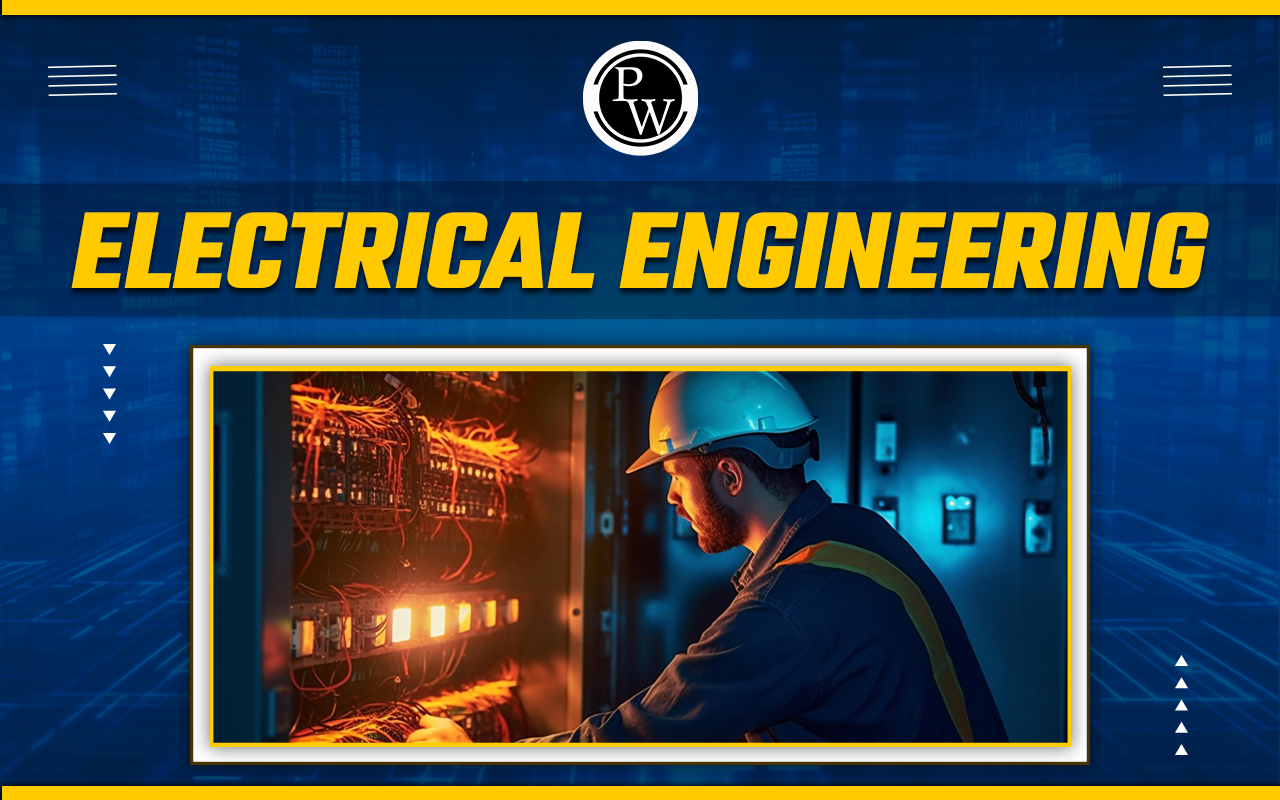
Electrical Engineering Optional is a technical subject that tests your understanding of core electrical and electronics engineering concepts commonly studied during graduation. The syllabus covers a wide range of subjects, including circuits, machines, power systems, communication systems, control systems, and electronics, making it one of the more specialised optional subjects in UPSC Mains.
The optional is divided into two papers carrying 250 marks each. Paper I mainly focuses on circuits, signals, electronics, electromagnetic theory, communication, and electrical machines, while Paper II covers control systems, instrumentation, power system analysis, protection systems, microprocessors, and digital communication.
UPSC Electrical Engineering Optional Syllabus for Paper I
Paper I covers the core fundamentals of Electrical Engineering, including circuits, signals, electronic devices, energy conversion, communication systems, and power electronics. Many topics in this paper require both theoretical clarity and numerical practice.
You should build strong conceptual understanding and regularly practice circuit-based and analytical questions while preparing for this paper.
| Topics | Sub-Topics |
|
|
|
|
|
|
|
|
|
|
|
|
|
|
|
|
|
|
UPSC Electrical Engineering Optional Syllabus for Paper II
Paper II focuses on advanced electrical engineering areas, including control systems, instrumentation, power systems, protection systems, and digital communication. The paper includes analytical, application-based, and numerical topics that require regular revision and practice.
You should pay attention to system analysis, stability concepts, measurement techniques, and communication systems while preparing this paper.
| Topic | Sub-Topics |
|
|
|
|
|
|
|
|
|
|
|
|
Recommended Books for UPSC Electrical Engineering Optional Subject Preparation
Selecting the right books is important because the Electrical Engineering Optional includes technical concepts, derivations, numerical problems, and analytical topics from multiple engineering subjects. You should focus on standard books that explain fundamentals clearly and help you practice numerical and theory-based questions effectively.
The following books are commonly referred to for UPSC Electrical Engineering Optional preparation.
|
S. No. |
Book Title |
Author(s) |
|
1 |
Electromagnetic Fields & Waves |
Kd Prasad |
|
2 |
Energy Conversion |
Ashfaq Hussain |
|
3 |
Circuit Theory: Analysis and Synthesis |
A. Chakrabarti |
|
4 |
Signals and Systems |
Alan V. Oppenheim, Alan V. Willsky, S. Hamid Nawab |
|
5 |
Physics of Semiconductor Devices |
Simon Sze |
|
6 |
Analog Electronics |
J.B. Gupta |
|
7 |
Digital Logic and Computer Design |
M. Morris Mano |
|
8 |
Principles of Electronics |
V .K. Mehta |
|
9 |
Radio Engineering |
G.K. Mithal |
|
10 |
Circuit Analysis |
Gupta |
|
11 |
Electrical Technology |
Thareja |
|
12 |
Automatic Control System |
Benjamin C. Kuo |
|
13 |
Elements of Engineering Electromagnetics |
Nannapaneni Rao |
|
14 |
Electromagnetic Waves and Field |
R.N. Singh |
|
15 |
Control Systems Engineering |
Nagrath Gopal |
|
16 |
Semiconductor |
Nag Choudhary |
|
17 |
Integrated Circuits |
D. Roy Choudhary |
|
18 |
Network Analysis |
Valkenburg |
|
19 |
Basic Current Analysis |
Murthy |
|
20 |
Electromagnetic Waves and Radiating System |
Jordan & Balmain |
|
21 |
Modern Central Engineering |
Katsuhiko Ogata |
|
22 |
Microprocessors and Microcomputers |
R. S Gaonkar |
|
23 |
Topics in Communication Theory |
David Middleton |
UPSC Electrical Engineering Optional Syllabus FAQs
How many papers are there in the Electrical Engineering optional?
Can non-electrical graduates choose UPSC Electrical Engineering Optional?
Are numerical questions asked in the UPSC EE optional?
Who is the topper of UPSC electrical engineering?


 Live & recorded classes available at easeDashboard for progress trackingMillions of practice questions at your fingertips