







3 Year Practice Rule Next Hearing Date Out, Check Details
3 Year Practice Rule Next Hearing Date is scheduled for April 30, 2026, in the Supreme Court. Following review petitions, the court is reconsidering the mandate that requires law graduates to have three years of active legal practice before attempting entry-level judicial service exams for Civil Judge (Junior Division).
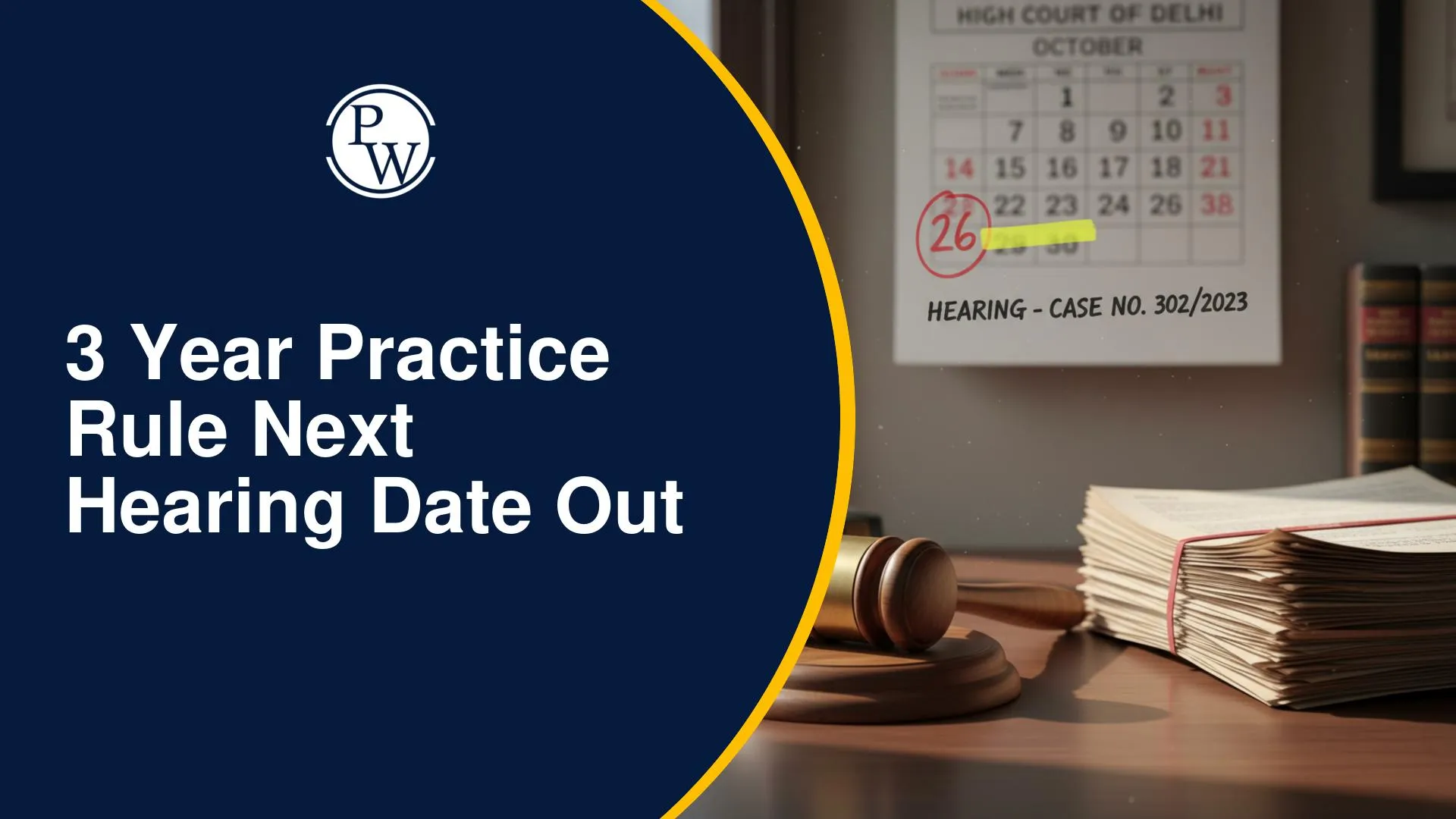
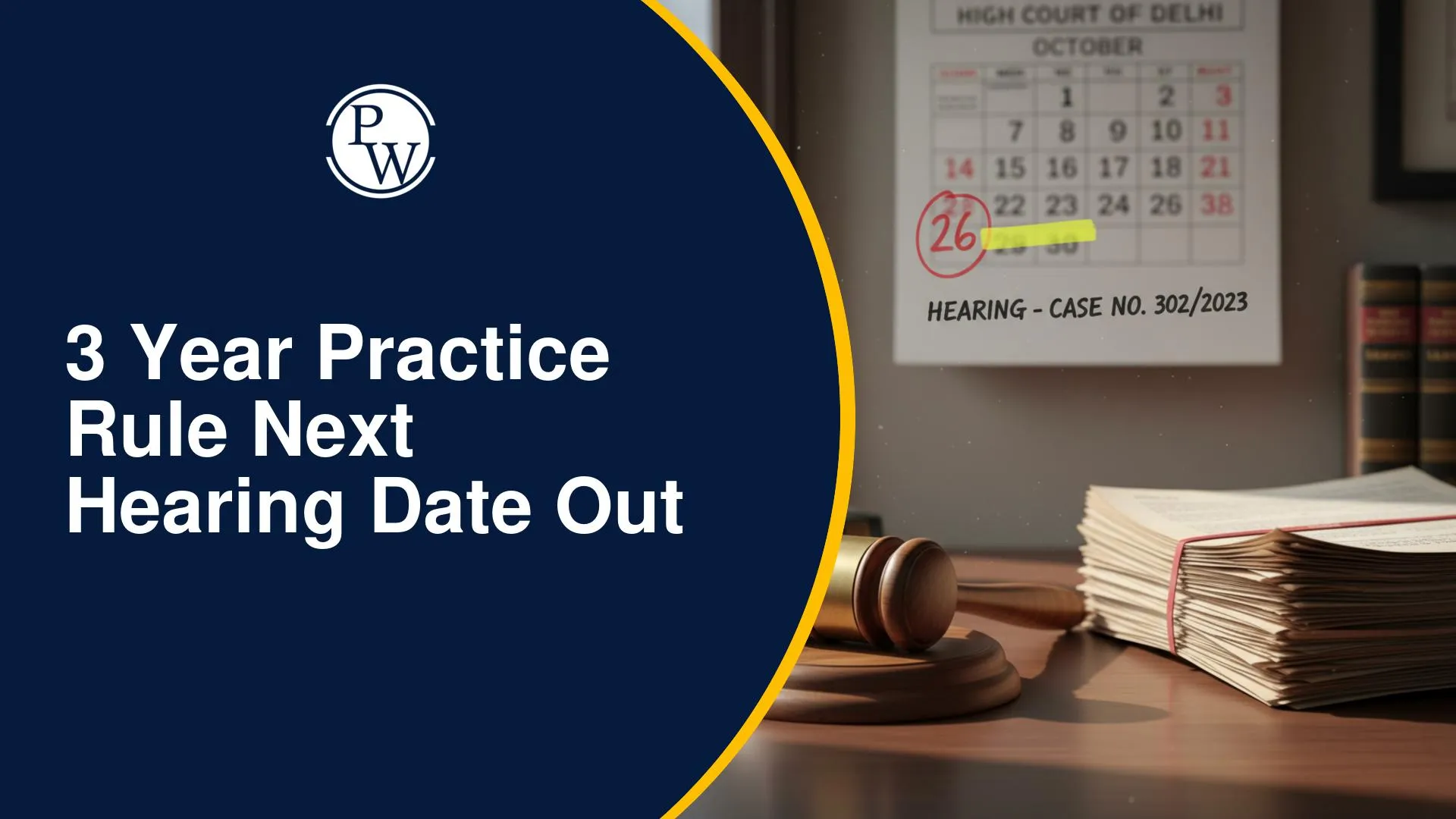
The Supreme Court has provided the next date regarding the three-year judiciary practice case on April 30. It is an important issue related to the case of the Bhoomika Trust vs. Union of India, which is currently under review by the Supreme Court. It is expected that the Supreme Court may provide its final decision regarding the 3-year practice rule required to apply for the judiciary exams.
The Supreme Court Hearing Scheduled Hearing on April 30
The next hearing date is April 30, 2026. It is based on a previous Supreme Court order. The deadline for filling out forms for various judicial services, including the Bihar Judicial Service, has been extended until April 30. This extension strongly implies that the court has designated this date for a definitive hearing, as further extensions beyond this point would serve no practical purpose. It is presumed that sufficient time has been allowed for internal deliberations and the collection of necessary records from various universities.
Potential Outcome of the Hearing
It is widely anticipated that a final decision concerning the Three-Year Rule could be announced on April 30. There is a strong desire for a definitive ruling, as it would provide much-needed clarity and direction for aspiring judicial service candidates planning their careers.
Socio-Economic Impact of the Three-Year Practice Rule
The imposition of a mandatory three-year practice rule is believed to significantly affect the inclusivity of the judiciary. This rule is often seen as disproportionately impacting candidates from financially weaker backgrounds. Such individuals may face considerable difficulty sustaining themselves without a stable income during a mandatory three-year practice period, which typically offers limited financial stability. In contrast, candidates from financially strong backgrounds are often better positioned to meet this requirement without significant economic strain.
Comparison: Inclusive vs. Exclusive Judiciary
The ongoing debate surrounding the Three-Year Rule highlights a fundamental choice between fostering an inclusive or an exclusive judiciary:The ongoing debate is regarding the three-year minimum working experience rule to apply for the judiciary exam. Still, it has affected the candidates preparing for the judiciary services. Some candidates are not able to target the other recruitment exams even meeting the minimum eligibility requirements.
-
Inclusive Judiciary: This can be achieved by removing the Three-Year Rule, thereby enabling candidates from all socio-economic backgrounds to aspire to and enter judicial roles.
-
Exclusive Judiciary: This is maintained by retaining the Three-Year Rule, which effectively restricts entry primarily to individuals who are financially privileged or have strong financial support.
Explore the Judiciary Courses 2026 to access essential resources for Judiciary exam preparation, including detailed insights and strategies. Dive into the Judiciary 2026 for structured courses and focused study plans designed to help aspirants excel in their exams.
Three-Year Rule in Judicial Services FAQs
What is the hearing date for the three-year rule in judiciary services?
Which case is associated with the Three-Year Rule hearing?
How does the Three-Year Rule impact judicial aspirants from different financial backgrounds?
What is the argument for an "inclusive judiciary" concerning the Three-Year Rule?





Get Free Counselling Today
and Clear up all your Doubts
 Live & recorded classes available at easeDashboard for progress trackingLakhs of practice questions

