Legal Drafting for Manipal University Jaipur Students: Contracts, Agreements & Litigation Drafts
 Neha Tanna25 Sept, 2026

Legal drafting is an essential practical skill for students pursuing law at Manipal University Jaipur. While academic study helps students understand legal principles, statutes and case laws, professional legal practice requires the ability to convert that knowledge into clear and legally sound documents.
For students pursuing B.A. LL.B, B.B.A. LL.B, LL.B or LL.M, developing legal drafting, legal research, case analysis and communication skills can help bridge the gap between classroom learning and practical legal work. The university's law-related material also highlights legal drafting, practical application of law, research and case analysis as important areas for students to develop.
What is Legal Drafting?
Legal drafting is the process of preparing legal documents in a dedicated, precise and legally appropriate manner. It involves presenting facts, rights, obligations, claims, arguments and remedies in language that is clear and capable of being legally interpreted.
For law students, legal drafting may involve:
-
Contracts and agreements
-
Legal notices
-
Plaint and written statements
-
Applications and petitions
-
Affidavits
-
Criminal complaints
-
Bail applications
-
Case briefs
-
Legal opinions
-
Litigation documents
Students also need to learn how to identify legal issues, locate relevant provisions and case laws, and apply them correctly to a particular set of facts.
Why Legal Drafting Matters for Manipal University Jaipur Students
Legal drafting is particularly important during internships and early professional assignments. Recruiters generally expect law students to possess legal research, drafting, communication, analytical thinking, attention to detail and case-analysis skills.
However, students may find a gap between knowing legal theory and applying it to practical situations. Areas such as practical application of law, legal drafting, legal research, communication and court procedure are among the skills that students may need to strengthen.
Regular drafting practice can therefore help students become more comfortable with professional legal documentation.
Contract Drafting for Law Students
Contract Drafting are among the most common documents that law students encounter during corporate internships and legal practice. A dedicated contract should clearly establish the relationship between the parties and define their respective rights and responsibilities.
Students should understand important components such as:
-
Parties and definitions
-
Purpose and scope of the agreement
-
Rights and obligations
-
Payment and consideration
-
Representations and warranties
-
Confidentiality
-
Termination
-
Dispute resolution
-
Governing law
-
Signatures and execution
Students should also learn to identify ambiguities and legal gaps that could create problems for a client.
Agreement Drafting Skills
Agreement drafting requires more than simply copying a standard format. Students should understand the factual background and determine which clauses are relevant to the particular transaction.
Common agreements and documents that students can practise include:
-
Sale agreements
-
Lease agreements
-
Gift deeds
-
Mortgage documents
-
Partnership deeds
-
Family settlement agreements
-
Power of attorney
-
Wills and testamentary documents
Practical exposure to different drafting formats can help students understand how legal principles are converted into usable documents.
Litigation Drafting for Manipal University Jaipur Students
Litigation drafting is another important area for law students interested in court practice. It requires students to analyse facts, identify legal issues, research applicable law and present arguments in an organised manner.
Students should practise preparing documents such as:
-
Plaint
-
Written statement
-
Set-off and counterclaim
-
Injunction applications
-
Caveats
-
Criminal complaints
-
Bail applications
-
Legal notices
-
Appeals
-
Cheque-bounce-related documents
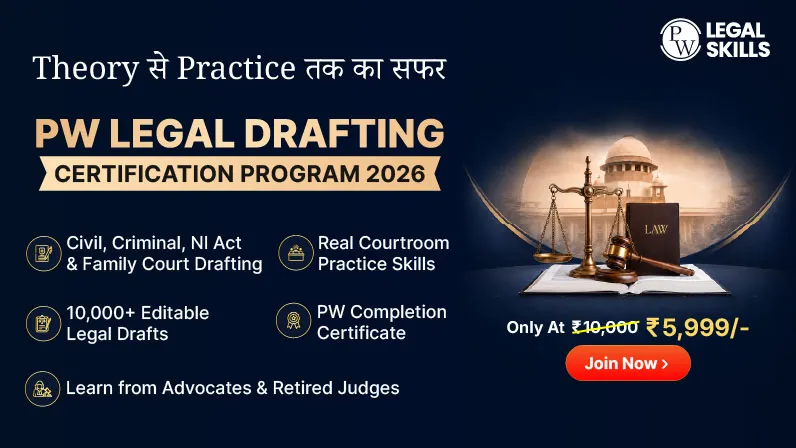
The PW Legal Drafting Certification Program 2026 also includes practical exposure to several of these drafting areas, including notices, FIRs, bail, criminal complaints, Section 138 cheque-bounce matters, quashing and appeals, as well as civil litigation documents such as plaints, written statements, injunctions and caveats.
PW Legal Drafting Certification Program 2026
Students looking for practice in legal drafting can also consider the PW Legal Drafting Certification Program 2026 as a supplementary learning option alongside their law studies.
The programme is a 4-month online course designed for law students, judiciary aspirants, young legal practitioners and interns, with the stated objective of bridging the gap between legal theory and courtroom practice. It includes live expert-led sessions, courtroom insights and 10,000+ editable legal drafts in English and Hindi.
The course covers eight practice-oriented modules, including live legal drafting sessions, court procedure and filing, client management, judgment reading and analysis, AI-powered legal drafting and modern legal practice, along with an internship toolkit.
For a Manipal University Jaipur student, such a practice-oriented programme can complement university coursework by providing additional opportunities to work with drafting formats and case-based exercises. The programme also includes live and recorded lectures, drafting notes, templates, assignments and practice exercises.
Legal Research and Drafting Go Together
Good legal drafting depends on effective legal research. Before drafting a document, students should understand the facts, identify the legal issue, locate relevant statutory provisions and examine applicable case law.
A practical drafting workflow can include:
-
Read and organise the facts.
-
Identify the legal issues.
-
Locate relevant provisions.
-
Research applicable judgments.
-
Analyse how the law applies to the facts.
-
Identify possible legal gaps.
-
Prepare the first draft.
-
Review the document for accuracy, clarity and consistency.
These legal skills are also relevant to internships, where students may be expected to conduct case research, prepare briefs, work with bare acts and assist with legal documentation.
Legal Areas Students Should Know
Students should develop drafting skills across both traditional and emerging areas of law. Important subjects include Constitutional Law, Contract Law, Criminal Law, Civil Law and Company Law. Emerging areas include Cyber Law, Data Privacy, IPR, Insolvency, Arbitration and Competition Law.
This broader knowledge can help students identify which legal provisions and drafting formats may be relevant to a particular matter.
How to Improve Legal Drafting Skills
Students can improve their drafting abilities through consistent practice. Some useful approaches include:
-
Practising different types of legal documents.
-
Reading judgments and identifying their legal issues.
-
Preparing case briefs.
-
Working with bare acts.
-
Reviewing sample agreements and pleadings.
-
Identifying gaps or ambiguities in drafts.
-
Improving legal English and professional communication.
-
Learning document formatting.
-
Using technology and AI tools responsibly for research and productivity.
-
Seeking feedback from faculty, mentors and internship supervisors.
The PW programme also specifically lists professional drafting formats, internship and litigation-chamber performance, understanding real court drafting and assisting seniors among its stated practical and career benefits.
For Manipal University Jaipur students, legal drafting can serve as an important bridge between academic knowledge and professional legal practice. Building skills in contracts, agreements, pleadings, litigation documents, legal research and case analysis can improve practical readiness.
Alongside university studies, dedicated programmes such as the PW Legal Drafting Certification Program 2026 can provide additional drafting practice, templates, case-based exercises and exposure to practical legal documentation.
Related Sources -
FAQs
Why is legal drafting important for Manipal University Jaipur students?
What types of legal drafts should students learn?
What is the PW Legal Drafting Certification Program 2026?

 Online Classes for LexGlobal (Legal Skills)Learn from PW's Educators through Live Lectures.Live & Recorded Classes are available at ease.Lectures are available in Hinglish (Hindi and English mix).Get access to Study Materials, Notes & Mock Tests.