







Antihypertensive Drugs Types And Its Uses
Antihypertensive Drugs are used to lower high blood pressure effectively. Know the different types of antihypertensive drugs and their role in this article.
 Dr. Nivedita5 Apr, 2024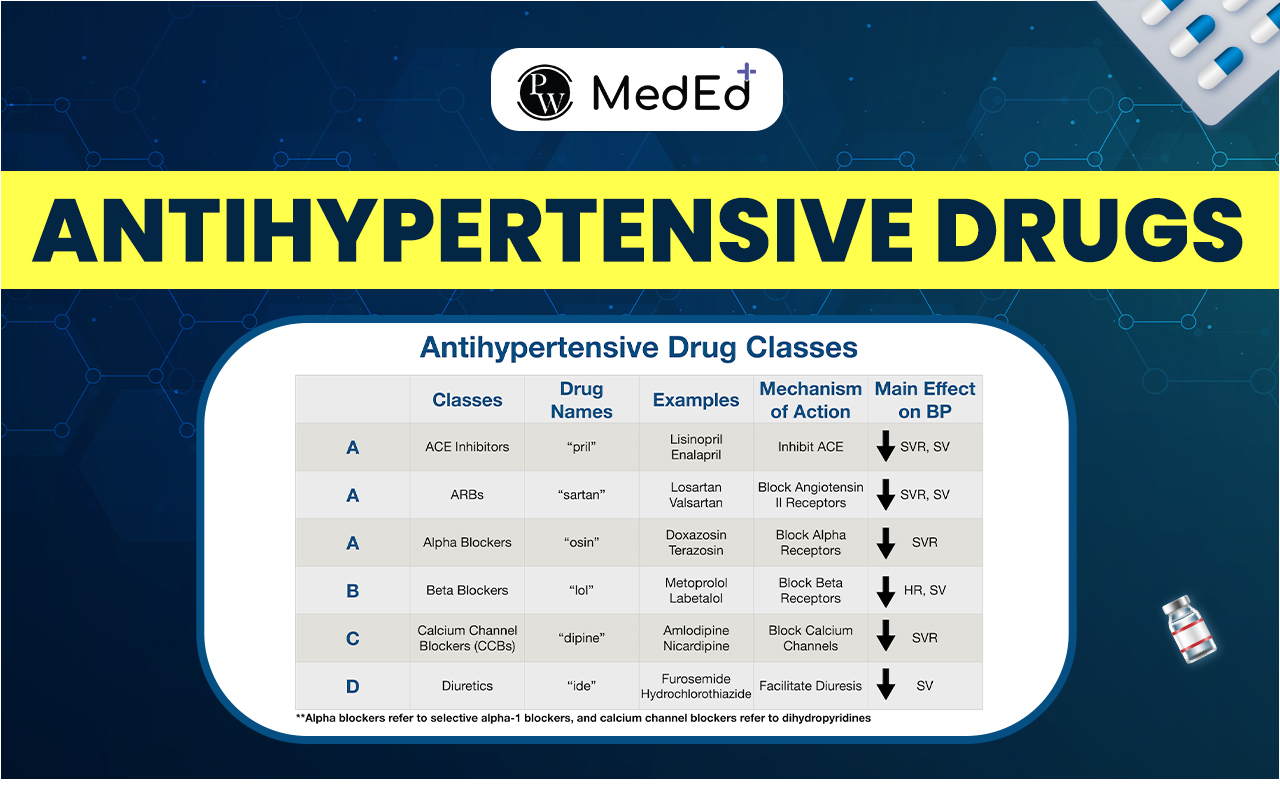
Antihypertensive drugs are medicines for treating high blood pressure and are available in many types. Your doctor will examine your health problems and help you find the right one. A lot of people around the world have high blood pressure, estimated at 1 billion.
In the United States, about half of adults aged 20 and older have high blood pressure and may need to take medication for it. These drugs work differently for each person; unique treatment is given based on their situation. Blood pressure is like the force that pushes blood around our bodies. It ensures that oxygen and nutrients reach all body parts to keep them healthy. Without blood pressure, our organs and tissues wouldn't get the necessary nourishment.Antihypertensive Drugs Overview
Antihypertensive drugs help lower blood pressure in different ways. They can widen blood vessels, remove extra fluids from the blood, or block hormones that raise blood pressure. The details are mentioned below:- Your doctor considers factors like age, race, gender, and other health issues when choosing the proper medication for you.
- Sometimes, more than one medication type is needed to lower blood pressure effectively.
- Your doctor may start with one medication and add more gradually if necessary.
- Medications may be adjusted if they're not working well or causing side effects.
- Regular blood pressure monitoring at home is often recommended.
- Most blood pressure medications are taken orally, but sometimes they're given through an IV in the hospital.
What is Normal Blood pressure?
When your blood pressure is measured, there are two numbers: the top (systolic) and the bottom (diastolic). The normal blood pressure is around 120 over 80 (120/80) millimeters of mercury (mmHg). This means the usual systolic pressure is 120, and the average diastolic pressure is 80. If your systolic pressure is consistently above 140 and your diastolic pressure is consistently above 90, it's considered high blood pressure.Antihypertensives Classification
Antihypertensives prevent your body from elevating blood pressure during stress. Side effects may include fainting, dizziness, fatigue, and low heart rate. These different types of antihypertensive drugs are discussed in the table below:
Antihypertensives Classification |
||
| Type of Antihypertensives | Function | Examples |
| Diuretics | Increase sodium excretion, reducing fluid volume in blood vessels. | Chlorthalidone, Hydrochlorothiazide |
| ACE Inhibitors | It decreases the production of Angiotensin II and widens blood vessels. | Lisinopril |
| Angiotensin (AT1) Receptor Blockers | It blocks the effects of Angiotensin II and dilates blood vessels. | Losartan, Valsartan |
| Beta-Adrenergic Blockers | It blocks the effects of adrenaline and slows the heart rate. | Metoprolol, Atenolol |
| Alpha+Beta Adrenergic Blockers | It blocks alpha and beta receptors and lowers blood pressure. | Carvedilol, Labetalol |
| Alpha Adrenergic Blockers | It prevents norepinephrine from tightening blood vessel muscles. | Prazosin, Doxazosin |
| Calcium Channel Blockers | It prevents calcium from entering artery cells and relaxes blood vessels. | Amlodipine, Nifedipine |
| Central Sympatholytics | Block signals from the brain to the nervous system, slowing the heart and dilating blood vessels. | Methyldopa, Clonidine |
| Vasodilators | Relax smooth muscle in arteries to decrease peripheral resistance. | Minoxidil, Hydralazine |
Antihypertensive Uses
Antihypertensives are used to treat hypertension, saving patients from various diseases. These antihypertensive drugs are used in the following:- Lowering high blood pressure
- Preventing the heart from being overworked
- Reduce the risk of heart failure
- Reduce the risk of kidney failure
- Reducing the risk of heart attacks and strokes
Antihypertensive Drugs Contraindications
Antihypertensive drugs have some risks and considerations associated with their use. The common contraindications include the following:- Allergic reactions: Some individuals may have allergic reactions to ACE inhibitors. It's essential to watch out for severe hypersensitivity reactions, which can be life-threatening.
- Renal impairment: These medications can affect renal blood flow, worsening pre-existing renal impairment or kidney problems.
- Heart failure: ACE inhibitors may increase heart failure symptoms or complications.
- Hyponatremia: ACE inhibitors can decrease sodium levels and fluid volume in the body, increasing the risk of hyponatremia (low sodium) and hypovolemia (low blood volume).
- Pregnancy and lactation: ACE inhibitors can have severe effects on fetal development and may also decrease milk production in lactating women. Pregnant women are advised to use contraceptives while taking these medications to avoid any harm to the fetus.
Side Effects of Antihypertensive Drugs
Antihypertensive drugs have some common side effects. Every medicine has specific side effects, and so is with these drugs. The side effects include the following:- These drugs affect the body's balance of minerals like magnesium and potassium.
- These can cause gastrointestinal issues, leading to symptoms like nausea, vomiting, diarrhea, or stomach discomfort.
- High uric acid levels can increase the risk of gout, a painful joint condition caused by the accumulation of uric acid crystals.
- Dizziness is a common side effect of these medications. It can occur due to changes in blood pressure or other medication effects on the body's balance mechanisms.
The Best Antihypertensive Medication
The effectiveness of antihypertensive medication varies for each individual, depending on their specific health condition. What works for one person may only work for one person. Sometimes, a combination of two or three different medications is needed to lower blood pressure effectively and bring it into the normal range. Treatment plans are specified for individual needs and minimize side effects. High blood pressure is standard, with half of American adults affected. Antihypertensive medications help control it, preventing problems like heart failure, heart attack, stroke, and kidney issues. Your doctor will help you find the proper medication for you. Remember to take it daily and attend regular checkups. Download the PW MedEd app for a detailed understanding of antihypertensive drugs and other related topics by top medical professionals.Antihypertensive Drugs FAQs
What is the first choice of antihypertensive drugs?
ACE inhibitor is the first choice of antihypertensive drugs.
Which antihypertensive drugs prevent heart failure?
Diuretics and RAS inhibitors prevent heart failure.
Which antihypertensives are bad for kidneys?
ACE inhibitors, calcium entry blockers, and beta-blockers are bad for kidneys.
When is the blood pressure highest?
Blood pressure usually peaks in midday.



Talk to a counsellorHave doubts? Our support team will be happy to assist you!


Check out these Related Articles








Join 15 Million students on the app today!
 Live & recorded classes available at easeDashboard for progress trackingMillions of practice questions at your fingertips


Free Learning Resources
PW Books
Notes (Class 10-12)
PW Study Materials
Notes (Class 6-9)
Ncert Solutions
Govt Exams
Our Other Websites
Class 6th to 12th Online Courses
Govt Job Exams Courses
UPSC Coaching
Defence Exam Coaching
Gate Exam Coaching
Other Exams
Know about Physics Wallah
Physics Wallah is an Indian edtech platform that provides accessible & comprehensive learning experiences to students from Class 6th to postgraduate level. We also provide extensive NCERT solutions, sample paper, NEET, JEE Mains, BITSAT previous year papers & more such resources to students. Physics Wallah also caters to over 3.5 million registered students and over 78 lakh+ Youtube subscribers with 4.8 rating on its app.
We Stand Out because
We provide students with intensive courses with India’s qualified & experienced faculties & mentors. PW strives to make the learning experience comprehensive and accessible for students of all sections of society. We believe in empowering every single student who couldn't dream of a good career in engineering and medical field earlier.
Our Key Focus Areas
Physics Wallah's main focus is to make the learning experience as economical as possible for all students. With our affordable courses like Lakshya, Udaan and Arjuna and many others, we have been able to provide a platform for lakhs of aspirants. From providing Chemistry, Maths, Physics formula to giving e-books of eminent authors like RD Sharma, RS Aggarwal and Lakhmir Singh, PW focuses on every single student's need for preparation.
What Makes Us Different
Physics Wallah strives to develop a comprehensive pedagogical structure for students, where they get a state-of-the-art learning experience with study material and resources. Apart from catering students preparing for JEE Mains and NEET, PW also provides study material for each state board like Uttar Pradesh, Bihar, and others
Copyright © 2026 Physicswallah Limited All rights reserved.