







HIV and AIDS Management: Know the Best Approach To Manage HIV And AIDS
HIV and AIDS Management refers to a comprehensive approach aimed at addressing the medical, social, and psychological aspects of living with HIV/AIDS. Know the best approach to manage HIV and AIDS here.
 Dr. Nivedita27 Apr, 2024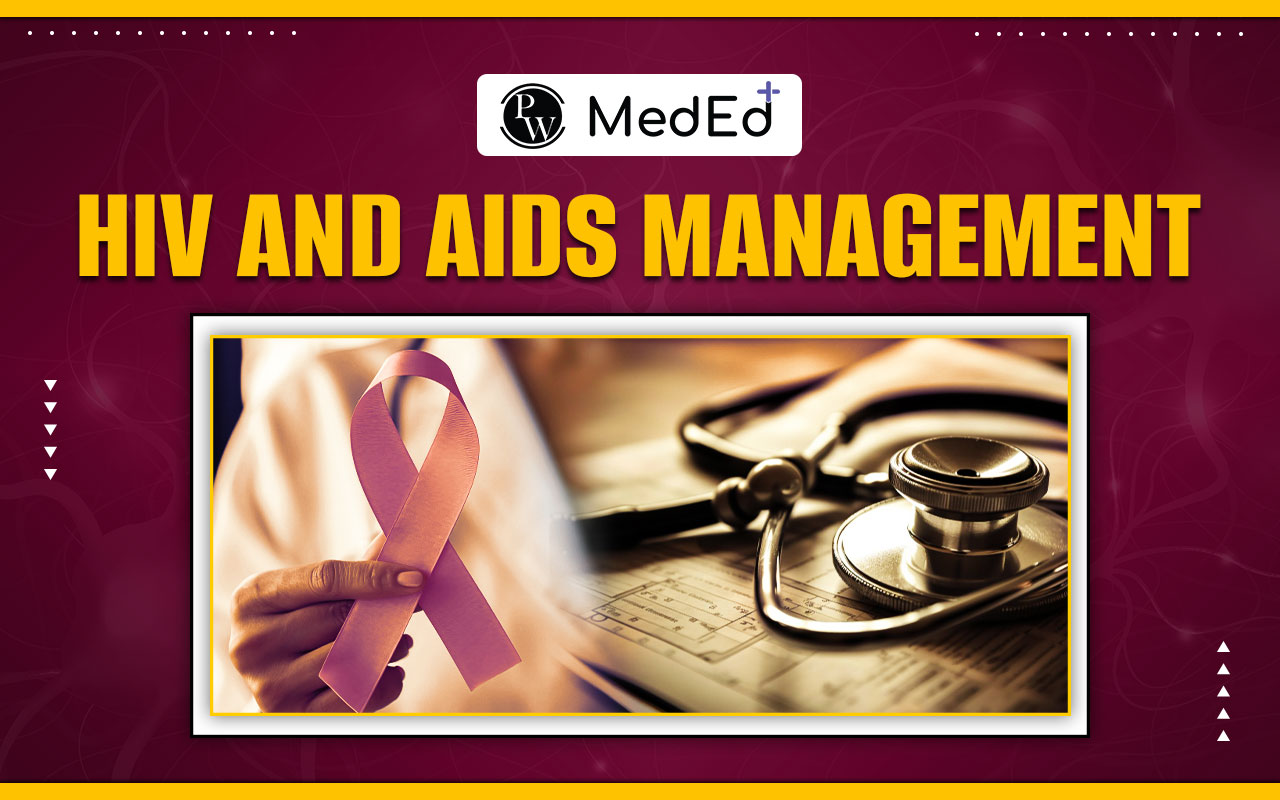
HIV and AIDS Management : The Human Immunodeficiency Virus (HIV) is the leading cause of the disease called Acquired Immune Deficiency Syndrome (AIDS). The virus destroys T-cells in the body, which weakens your immune system and makes it impossible for you to defend against even minor illnesses. An early diagnosis and proper treatment of HIV-infected people can improve their chances of living a long life.
What is HIV?
The virus known as HIV damages the body's immune response. HIV impacts and kills CD4 cells, a type of T cell that is part of the immune system. Since HIV adversely affects your immune system, your body gradually loses its capacity to fight off other medical conditions. Acquired immunodeficiency syndrome (AIDS) can result from a severe HIV infection when it has significantly affected your ability to fight infection.What is AIDS?
The extreme and most critical stage of HIV infection is AIDS. Individuals suffering from AIDS have a severely weakened immune system and extremely low levels of particular white blood cells. The immune system is too weak to fight against infections, illnesses, and other ailments. They could also be suffering from other ailments that suggest the development of AIDS.What Is The Relationship Between HIV And AIDS?
Human Immunodeficiency Virus (HIV) is a virus that impairs the function of the immune system in the human body. When your ability to fight infections is drastically weakened due to an HIV infection, you may develop the disease known as Acquired Immune Deficiency Syndrome, or AIDS. People who do not have an HIV infection will not develop AIDS. However, AIDS is the final stage of HIV infection, and not every HIV patient develops AIDS because of timely treatment that minimizes the impact of the HIV virus. But if an HIV infection is not properly diagnosed and treated, it will lead to AIDS in most cases. An Approach to HIV and AIDS Management Acquired Immunodeficiency Syndrome (AIDS) is a critical disease that significantly weakens the immune system due to a severe infection by the Human Immunodeficiency Virus (HIV). HIV and AIDS are serious health concerns that need to be appropriately managed to prevent further complications, improve immunity, and help sustain a healthy life. An essential approach to HIV and AIDS management is to minimize the chances of HIV infections by taking the necessary precautions and making lifestyle changes. If someone is diagnosed with HIV, it is essential to strictly adhere to the treatment and medication procedures to control the viral load and avoid spreading it. It is also crucial to maintain physical and mental well-being through healthy habits and diet and improve immunity to defend against further infections that might pose a serious risk to an HIV-affected individua l.How Does HIV Affect a Person?
HIV destroys the CD4 cells, also known as helper T cells, which are white blood cells that are part of your immune system. This results in a decrease in your white blood cell count and a compromised immune system, making the infected person vulnerable to other infections, even minor ones. HIV can spread in the body for a considerable amount of time without showing any major signs. The T-cells of the body are gradually destroyed throughout that period. When the T-cell count becomes extremely low, the person starts to develop specific illnesses that gradually progress to AIDS. Rapid weight loss, excessive fatigue, fevers, night sweats, oral or genital ulcers, and skin discolorations are all symptoms of AIDS.Symptoms of HIV
HIV remains in a clinically latent stage after the first few months of infection. While some people experience moderate flu-like symptoms during this time, others may not experience any symptoms at all. Some of the general symptoms include the following:- Headaches
- Muscle pains
- Enlarged lymph nodes
- Frequent low-grade fevers
- Sweats at night
- Feeling exhausted
- Nausea and vomiting
- Loss of weight
- Skin eruptions
- Recurring yeast infections in the mouth or vagina
- Pneumonia
HIV Symptoms in Men
HIV symptoms differ from person to person but are comparable in both genders, as both can be exposed to other sexually transmitted illnesses (STIs) if HIV has infected them. Men can have the following STIs as a result of HIV infection:- Gonorrhea
- Syphilis
- Chlamydia
- Trichomoniasis
HIV Symptoms in Women
HIV symptoms are largely the same in both men and women but can differ depending on the degree of risk involved if they have HIV. Women with HIV may experience the following symptoms:- Recurring vaginal yeast infections
- Other vaginal infections, such as bacterial vaginosis
- Menstrual cycle irregularities
- Pelvic inflammatory disease (PID)
- Human papillomavirus (HPV), which might result in genital warts and cervical cancer
How is HIV infection Transmitted?
HIV can spread through bodily secretions, such as:- Vaginal and rectal fluid
- Blood
- Semen
- Breast milk
Different Stages of HIV Infection
The infection with HIV typically goes through the following stages:Stage 1: Acute
Some HIV-positive individuals experience flu-like symptoms during first few months after contracting the virus.S tage 2: Clinical Latency/Chronic Stage
One can have HIV for several years beyond the acute stage without experiencing any major symptoms. It's critical to understand that even if you feel well, you can still infect others with HIV.Stage 3: AIDS
The final and most severe stage of HIV infection is AIDS. In this stage, HIV significantly damages your immune system, causing various complications.Symptoms of AIDS
AIDS symptoms can include the following:- Persistent fever, enlarged lymph nodes, particularly in the groin, neck, and armpits
- Extreme fatigue and regular night sweats
- Dark patches on the skin or within the mouth, nose, or eyelids
- Lesions, sores, or spots on the tongue, genitalia, or anus
- Rashes on the skin
- Rapid weight loss
- Neurological issues like memory loss and disorientation
- Depression and anxiety
Diagnosis of HIV
HIV and AIDS management requires proper diagnosis, which can be done using a saliva or blood test and includes the following procedures:- Antigen testing : In this test, blood from a vein is analyzed to identify the presence of a virus in the blood a few weeks after HIV exposure.
- Antibody testing: These tests search for HIV antibodies in the saliva or blood. The majority of quick HIV tests are antibody tests.
- Nucleic Acids Test (NAT): These tests check for viral load in your blood.
Treatment of HIV/AIDS
HIV infection can’t be eliminated from the body, but with proper medication and therapy, one can manage HIV and AIDS to become more severe and fatal. Everyone with an HIV diagnosis needs to take antiretroviral therapy (ART) medications. This holds regardless of the disease's stage or the nature of its complications. ART applies a combination of two or more medications from different classes to reduce the level of HIV in the blood without developing any specific medicine-related resistance. The method helps defend against the virus in different ways. HIV infection, leading to AIDS, can seriously impair the body's immune system, leading to various complications. Adequate knowledge and awareness about the transmission, diagnosis, and treatment processes of HIV and AIDS can help reduce the chances of getting affected by this disease and living a healthy life. Need more clarity on how to manage HIV and AIDS? Download the PW MedEd app and learn from industry experts.HIV and AIDS Management FAQs
When does an antibody test for HIV detection give the best results?
An antibody test may yield a positive result for HIV exposure only after three to twelve weeks following the exposure to HIV.
How do opportunistic infections affect an HIV-infected person?
Healthy individuals usually fight off opportunistic illnesses, but with a severely weakened immune system due to HIV infection, it becomes difficult to defend against opportunistic infections.
Can HIV be transmitted by touching or hugging someone with HIV/AIDS?
No, HIV can’t be transmitted by touching or hugging someone with HIV or AIDS.
What is the count of CD4 cells in the blood that typically indicates AIDS?
An individual with HIV whose CD4 counts fall below 200 per cubic millimeter will be diagnosed with AIDS.



Talk to a counsellorHave doubts? Our support team will be happy to assist you!


Check out these Related Articles





Join 15 Million students on the app today!
 Live & recorded classes available at easeDashboard for progress trackingMillions of practice questions at your fingertips


Free Learning Resources
PW Books
Notes (Class 10-12)
PW Study Materials
Notes (Class 6-9)
Ncert Solutions
Govt Exams
Our Other Websites
Class 6th to 12th Online Courses
Govt Job Exams Courses
UPSC Coaching
Defence Exam Coaching
Gate Exam Coaching
Other Exams
Know about Physics Wallah
Physics Wallah is an Indian edtech platform that provides accessible & comprehensive learning experiences to students from Class 6th to postgraduate level. We also provide extensive NCERT solutions, sample paper, NEET, JEE Mains, BITSAT previous year papers & more such resources to students. Physics Wallah also caters to over 3.5 million registered students and over 78 lakh+ Youtube subscribers with 4.8 rating on its app.
We Stand Out because
We provide students with intensive courses with India’s qualified & experienced faculties & mentors. PW strives to make the learning experience comprehensive and accessible for students of all sections of society. We believe in empowering every single student who couldn't dream of a good career in engineering and medical field earlier.
Our Key Focus Areas
Physics Wallah's main focus is to make the learning experience as economical as possible for all students. With our affordable courses like Lakshya, Udaan and Arjuna and many others, we have been able to provide a platform for lakhs of aspirants. From providing Chemistry, Maths, Physics formula to giving e-books of eminent authors like RD Sharma, RS Aggarwal and Lakhmir Singh, PW focuses on every single student's need for preparation.
What Makes Us Different
Physics Wallah strives to develop a comprehensive pedagogical structure for students, where they get a state-of-the-art learning experience with study material and resources. Apart from catering students preparing for JEE Mains and NEET, PW also provides study material for each state board like Uttar Pradesh, Bihar, and others
Copyright © 2026 Physicswallah Limited All rights reserved.