How To Take A Blood Sample?
Learn how to take a blood sample through venipuncture, the procedure for collecting blood for lab tests, with steps, care, and alternative methods explained.
 Priyanka Agarwal11 Dec, 2024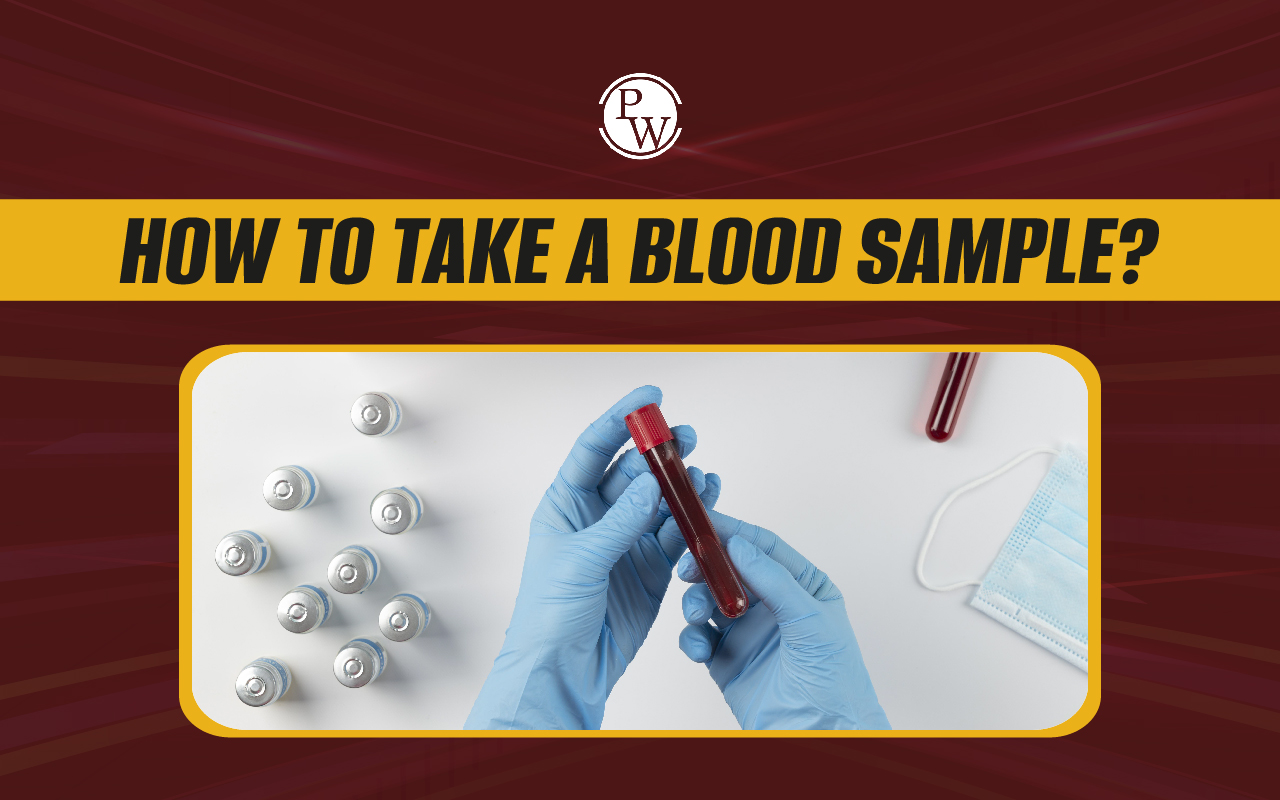
How To Take A Blood Sample?: Taking a blood sample is a routine procedure in medical settings, known as venipuncture. This process involves collecting blood from a vein for laboratory analysis, which is essential for diagnosing various health conditions. It is typically performed by trained professionals such as phlebotomists or nurses in hospitals, clinics, or even at home visits. Understanding how to properly collect a blood sample ensures the accuracy of the results and minimizes discomfort for the patient.
Procedure for Venipuncture
The procedure for venipuncture involves several critical steps to ensure a safe and effective blood sample collection. It begins with proper site selection and skin cleaning to reduce infection risks, followed by the application of a tourniquet to make the veins more visible and accessible. The healthcare professional then inserts the needle into the vein, collects the required blood sample , and applies pressure to the site to stop any bleeding, ensuring the process is both efficient and comfortable for the patient.Step 1: Preparation
Before performing a blood draw, the healthcare professional prepares by selecting the best site for venipuncture. The most common sites for drawing blood are:- Antecubital Fossa (Inside of the Elbow) : This is the preferred location due to the size and visibility of the veins.
- Back of the Hand : Used when veins in the arm are difficult to locate.
Step 2 : Applying a Tourniquet
A tourniquet, which is a wide elastic band, is placed around the upper arm. This creates pressure that engorges the veins, making them more prominent and easier to find. The tourniquet should not be left on for too long to prevent discomfort or changes in the blood sample.Step 3: Inserting the Needle
The healthcare provider inserts a sterile needle into the vein at a 15-30 degree angle. This procedure is typically quick and may cause a sharp sensation, but it usually only lasts a few seconds. It is important for the needle to be inserted smoothly and at the correct angle to avoid damaging the vein.Step 4: Collecting Blood
Once the needle is in place, blood is drawn into an airtight vial or syringe. The amount of blood required depends on the test being performed, and the healthcare provider will monitor the blood draw to ensure the correct volume is collected. Multiple vials may be necessary for different tests.Step 5: Finishing Up
Once the required amount of blood is collected, the tourniquet is released, and the needle is carefully withdrawn. Pressure is immediately applied to the puncture site using a sterile gauze pad to prevent any bleeding. After the bleeding stops, a bandage or adhesive strip is applied to the site.Post-Procedure Care for Taking a Blood Sample
After the procedure, patients are advised to keep pressure on the puncture site for a few minutes to prevent bruising or prolonged bleeding. It’s also recommended to keep the arm elevated and avoid heavy use of the arm immediately after the procedure.Alternative Methods of Blood Collection
Not all blood tests require venipuncture. Depending on the test type and the required volume of blood, alternative methods can be used:- Fingerstick Sampling : For tests like glucose monitoring that require only a small amount of blood, a lancet may be used to prick the fingertip. This method is minimally invasive and quick.
- Arterial Sampling : In certain situations, such as measuring oxygen or carbon dioxide levels, blood may be drawn from an artery. This is a more complex procedure that requires additional training and care.
- Patient Comfort: Although the venipuncture procedure is routine, it may cause anxiety or discomfort for some patients. Techniques like using numbing cream, especially for children or those with a fear of needles, can help ease the experience.
- Test Preparation: Before some blood tests, patients may be required to fast or stop certain medications. It’s important to follow the healthcare provider's instructions to ensure accurate test results.
How To Take A Blood Sample? FAQs
What is the purpose of taking a blood sample?
A blood sample is collected to diagnose various medical conditions, monitor health, and guide treatment decisions. It helps doctors analyze the composition of blood to detect diseases or assess overall health.
How is venipuncture performed to take a blood sample?
Venipuncture is done by selecting a suitable vein, cleaning the skin, applying a tourniquet, inserting a needle into the vein, and drawing blood into a vial or syringe. The procedure is completed by applying pressure to the puncture site to prevent bleeding.
What is the role of the tourniquet in blood collection?
The tourniquet helps engorge the veins, making them more visible and easier to access for blood collection. It is placed around the upper arm and should not be left on for too long to avoid discomfort.
Are there any alternative methods for collecting a blood sample?
Yes, alternative methods include fingerstick sampling, which uses a lancet to draw a small amount of blood from the fingertip, and arterial sampling, used to measure oxygen levels but requires more specialized training.
What should be done after taking a blood sample?
After the procedure, pressure should be applied to the puncture site to stop any bleeding. Patients should keep the site elevated and avoid heavy activities to ensure proper healing.
🔥 Trending Blogs


Talk to a counsellorHave doubts? Our support team will be happy to assist you!


Join 15 Million students on the app today!
 Live & recorded classes available at easeDashboard for progress trackingMillions of practice questions at your fingertips


Free Learning Resources
PW Books
Notes (Class 10-12)
PW Study Materials
Notes (Class 6-9)
Ncert Solutions
Govt Exams
Our Other Websites
Class 6th to 12th Online Courses
Govt Job Exams Courses
UPSC Coaching
Defence Exam Coaching
Gate Exam Coaching
Other Exams
Know about Physics Wallah
Physics Wallah is an Indian edtech platform that provides accessible & comprehensive learning experiences to students from Class 6th to postgraduate level. We also provide extensive NCERT solutions, sample paper, NEET, JEE Mains, BITSAT previous year papers & more such resources to students. Physics Wallah also caters to over 3.5 million registered students and over 78 lakh+ Youtube subscribers with 4.8 rating on its app.
We Stand Out because
We provide students with intensive courses with India’s qualified & experienced faculties & mentors. PW strives to make the learning experience comprehensive and accessible for students of all sections of society. We believe in empowering every single student who couldn't dream of a good career in engineering and medical field earlier.
Our Key Focus Areas
Physics Wallah's main focus is to make the learning experience as economical as possible for all students. With our affordable courses like Lakshya, Udaan and Arjuna and many others, we have been able to provide a platform for lakhs of aspirants. From providing Chemistry, Maths, Physics formula to giving e-books of eminent authors like RD Sharma, RS Aggarwal and Lakhmir Singh, PW focuses on every single student's need for preparation.
What Makes Us Different
Physics Wallah strives to develop a comprehensive pedagogical structure for students, where they get a state-of-the-art learning experience with study material and resources. Apart from catering students preparing for JEE Mains and NEET, PW also provides study material for each state board like Uttar Pradesh, Bihar, and others
Copyright © 2026 Physicswallah Limited All rights reserved.