What is Strategic Human Resource Management & How Does it Work?


Share
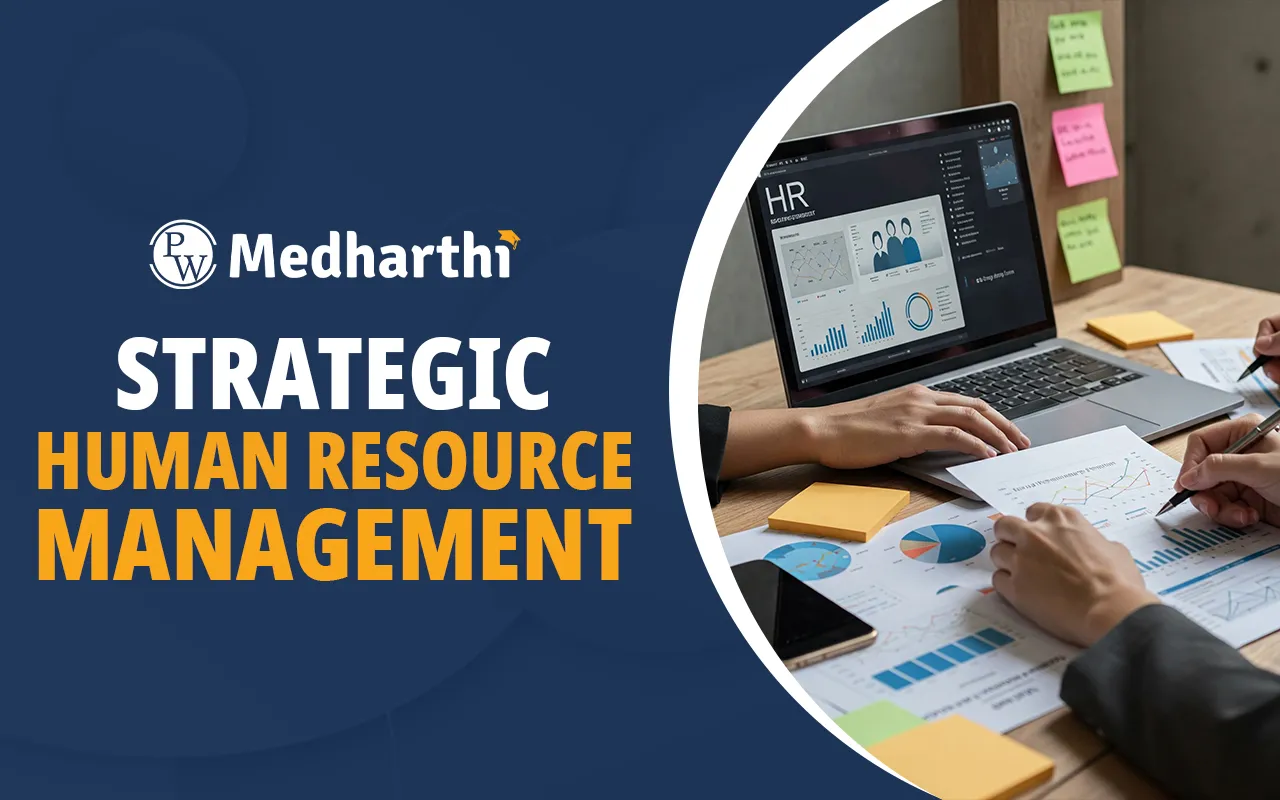
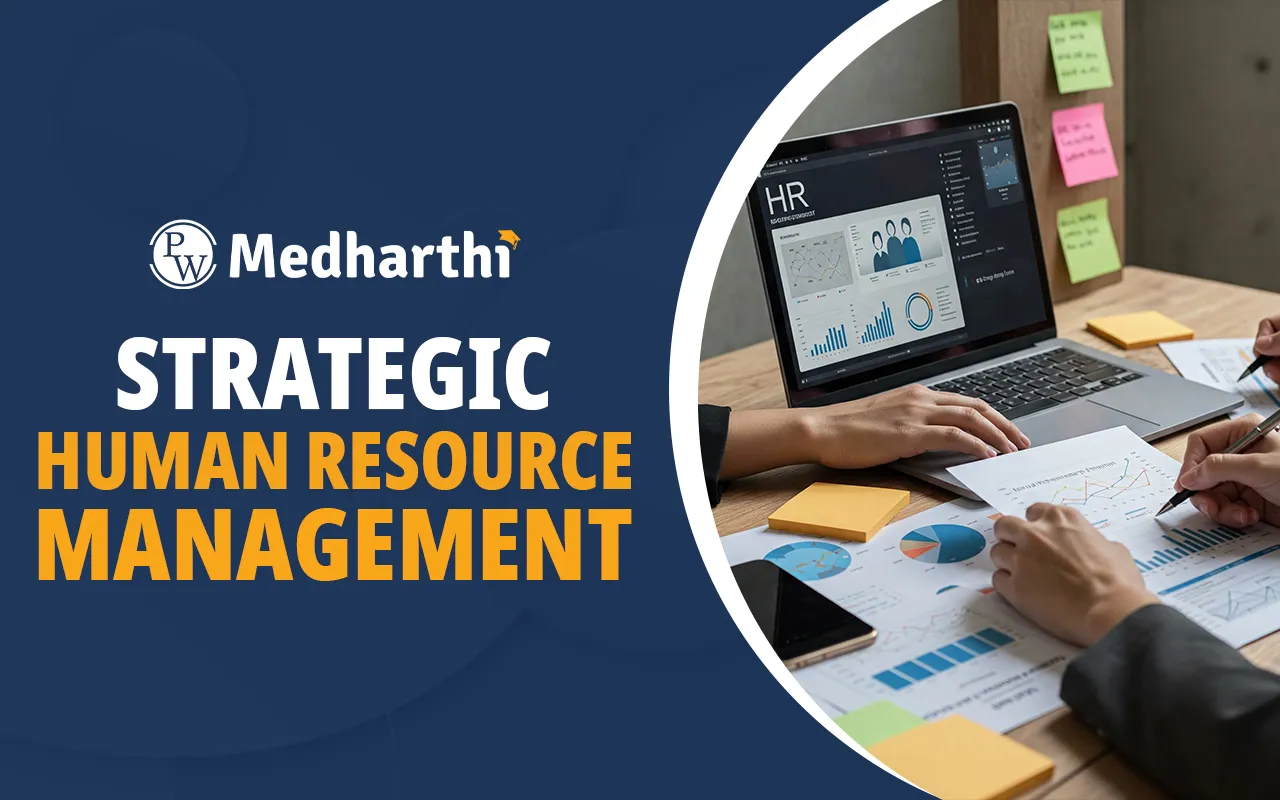
In an era marked by rapid globalization, technological advancement, and evolving workforce expectations, organizations are increasingly recognizing the need to align their human capital with long-term strategic goals. Strategic Human Resource Management (SHRM) has emerged as a pivotal function that integrates human resource practices with the overall strategic direction of an organization. This blog provides a comprehensive exploration of Strategic Human Resource Management, detailing its definition, importance, functionality, and key components.
What is Strategic Human Resource Management?
Strategic Human Resource Management refers to the proactive management of people. It involves designing and implementing a set of internally consistent policies and practices that ensure an organization’s human capital contributes effectively to the achievement of business objectives. Unlike traditional human resource management, which tends to be reactive and operational, SHRM is forward-looking, long-term, and integrated with corporate strategy. Strategic Human Resource Management emphasizes the alignment of HR policies and practices with the strategic needs of the organization. It views employees not merely as resources but as strategic partners whose contributions are essential to organizational success.
The Importance of Strategic Human Resource Management
The significance of SHRM in contemporary business environments cannot be overstated. Several factors underscore its importance:
1. Alignment with Organizational Goals: SHRM ensures that HR strategies support and are supported by organizational strategies. This alignment facilitates a cohesive approach to achieving business objectives, thereby improving overall organizational effectiveness.
2. Enhanced Competitive Advantage: Organizations that effectively manage their human capital gain a sustainable competitive edge. SHRM enables firms to attract, develop, and retain top talent, ensuring that the right people are in the right roles at the right time.
3. Improved Organizational Performance: Studies have shown a strong correlation between strategic HR practices and organizational performance metrics such as profitability, productivity, employee satisfaction, and innovation. Strategic Human Resource Management fosters a high-performance culture that drives results.
4. Adaptability to Change: In a dynamic business environment, agility is critical. SHRM facilitates organizational adaptability by promoting workforce flexibility, continuous learning, and change readiness.
How Strategic Human Resource Management Works?
The implementation of SHRM involves several interrelated processes. Below is an outline of how SHRM operates within an organization:
1. Strategic Planning: The first step involves understanding the organization’s long-term objectives. HR professionals must collaborate with senior leadership to identify goals, challenges, and opportunities. This strategic planning forms the foundation upon which HR initiatives are built.
2. Human Resource Planning: This process entails forecasting future HR needs based on strategic goals. It includes workforce analysis, talent gap identification, succession planning, and scenario planning to ensure the organization is prepared for future demands.
3. Policy and Practice Alignment: Once strategic HR needs are identified, HR policies (such as recruitment, training, performance management, and compensation) must be designed or adjusted to align with those needs. This ensures consistency across the organization and facilitates the strategic use of human resources.
4. Execution and Monitoring: After planning and alignment, HR strategies must be implemented effectively. This requires clear communication, leadership buy-in, and continuous monitoring. Key performance indicators (KPIs) should be established to assess the impact of HR strategies on organizational goals.
5. Continuous Improvement: Strategic Human Resource Management is not a one-time activity but an ongoing process. Regular feedback loops, performance reviews, and environmental scanning help refine HR strategies to meet changing internal and external conditions.
Key Elements of Strategic Human Resource Management
Effective SHRM comprises several critical elements that contribute to its success. Enlisted here are some of the key elements that you can look forward.
1. Talent Management: Strategic talent management ensures that the organization has the right mix of skills and competencies. It includes recruitment, onboarding, development, and succession planning.
2. Performance Management: Performance management systems aligned with strategic goals help reinforce desired behaviors and outcomes. These systems promote accountability and facilitate performance-based rewards.
3. Learning and Development: A strategic approach to employee development ensures continuous learning and skill enhancement, preparing the workforce for future challenges and innovation.
4. Employee Engagement: Engaged employees are more productive, innovative, and loyal. SHRM focuses on creating a work environment that fosters motivation, satisfaction, and commitment.
5. Workforce Diversity and Inclusion: Diverse teams bring varied perspectives and drive innovation. Strategic Human Resource Management emphasizes inclusive practices that value and leverage individual differences.
Challenges in Strategic Human Resource Management
Despite the fact that there are numerous benefits of Strategic Human Resource Management do face some challenges as well. Mentioned below are some of the challenges that one should be prepared to face.
-
Alignment Difficulties: Achieving seamless alignment between HR and organizational strategies can be complex, especially in large or diversified firms.
-
Change Management: Resistance to change from employees or leadership can hinder strategic HR initiatives.
-
Measurement Complexity: Quantifying the impact of HR strategies on business outcomes remains a challenge for many organizations.
-
Rapid Technological Change: Keeping up with technological trends and integrating them into HR functions requires continuous learning and investment.
| Online Degree Important Links | |
| Online MCA Programs in India | Online BCom Course |
| Online MCA Course | Online Degree Programs |
| Regular Degree Vs Distance Degree | BA Online Registration |
Strategic Human Resource Management FAQs
What is SHRM?
How does SHRM differ from traditional HRM?
Why is SHRM important?
What are the key components of SHRM?
Who is responsible for SHRM in an organization?


 Live & recorded classes available at easeDashboard for progress trackingMillions of practice questions at your fingertips