






Workforce Strategies in Response to AI Adoption
 Aditi Tiwari331 Jul, 2026
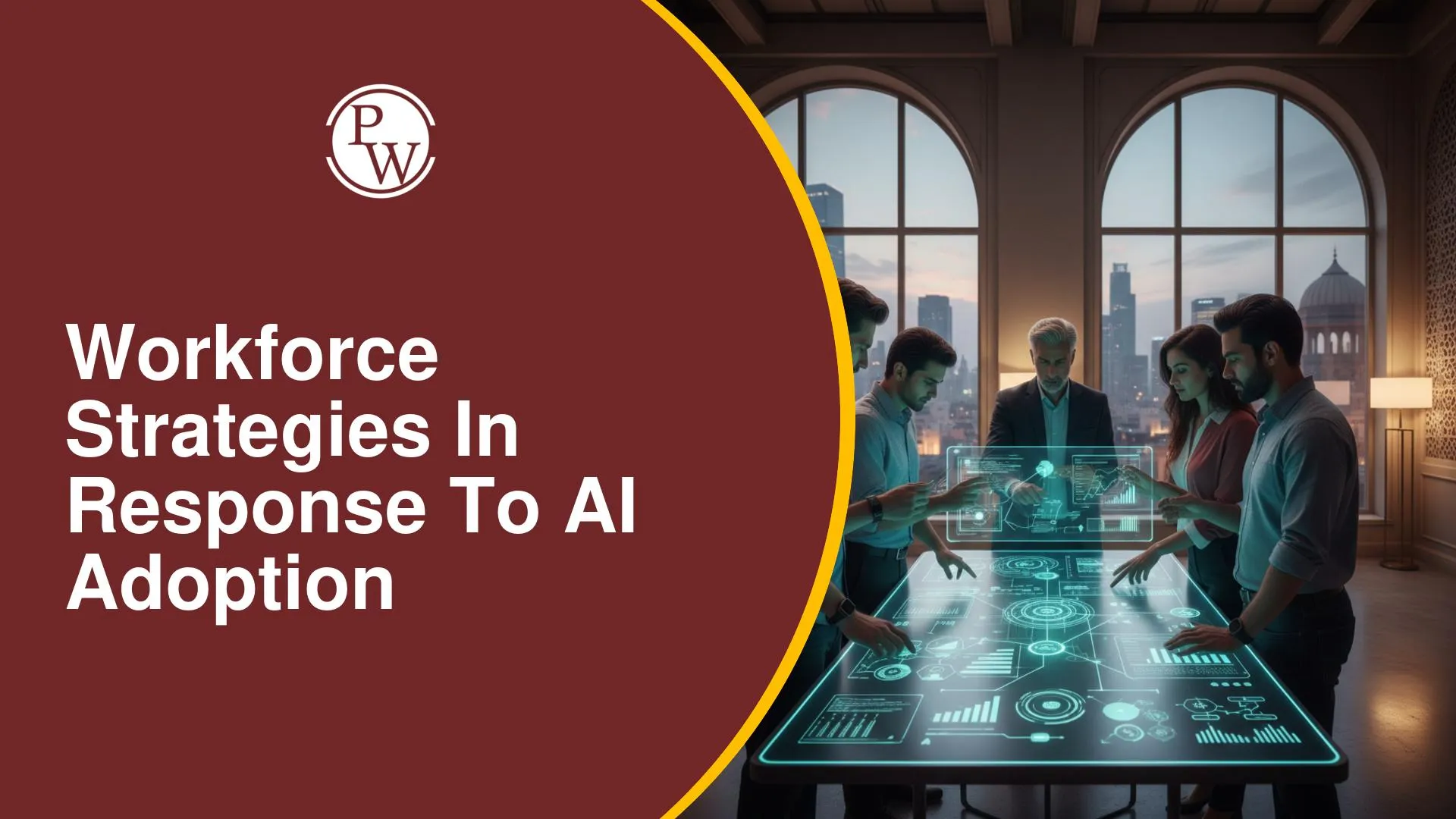
Artificial intelligence (AI) profoundly impacts global businesses. Organizations must develop effective workforce strategies in response to AI adoption. This article explores how companies prepare their employees for an AI-driven future. It covers anticipated changes, adoption barriers, and key workforce adjustments needed to thrive in this evolving landscape.
Anticipated AI Impact on Businesses
Most employers expect AI and information processing technologies to transform their business models. By 2030, 86% of companies anticipate significant AI exposure. Financial Services (97%) and Electronics (95%) sectors foresee higher impacts. Energy Technology (72%) and Government (76%) expect lower exposure. Larger organizations, especially those with over 50,000 employees, more likely expect AI-driven business transformation.
Barriers to AI Adoption
Many factors hinder successful AI integration into businesses. A lack of necessary skills is the top obstacle. Management's vision also plays a crucial role. This table summarizes the main barriers identified by executives worldwide.
| Barrier to AI Adoption | Percentage of Executives |
| Lack of Skills | 50% of executives identify shortages in AI-related skills as the biggest obstacle to AI adoption. |
| Lack of Vision (Managers/Leaders) | 43% believe insufficient strategic vision from managers and leaders slows AI implementation. |
| High Costs | 29% cite the high cost of AI technologies and implementation as a major barrier. |
| Lack of Customization | 24% report limited customization options as a challenge in adopting AI solutions. |
| Complex Regulations | 21% consider regulatory complexity a significant obstacle to AI deployment. |
| Limited Consumer Demand | 16% indicate low customer demand as a factor limiting AI investment and adoption. |
Workforce Strategies for AI Adoption
Organizations are developing various strategies to respond to AI disruption. Reskilling and upskilling the existing workforce is the most anticipated approach, planned by 77% of employers by 2030. This helps employees work effectively alongside AI systems.
Companies also focus on recruiting new talent. About 69% plan to hire individuals skilled in AI tool design and enhancement. Another 62% intend to recruit people with skills to collaborate with AI. Almost half of organizations (49%) expect to reorient their business models toward new AI-driven opportunities. Many (47%) plan to transition employees from AI-disrupted roles to other positions. Despite recruitment efforts, 41% of employers also anticipate downsizing their workforce as AI capabilities expand and replicate existing roles. These workforce strategies in response to AI adoption aim to ensure business continuity and growth.
FAQs on Workforce Strategies in Response to AI Adoption
What is the main workforce strategy for AI adoption?
What are the top barriers to AI adoption?
How will AI adoption affect job roles?
Do all business sectors expect similar AI exposure?
Will companies primarily hire new talent or reskill existing employees?




Get Free Counselling Today
and Clear up all your Doubts
 Live & recorded classes available at easeDashboard for progress trackingLakhs of practice questions

