







Group Discussion English: Speak Clearly, Confidently, and Professionally in Every GD

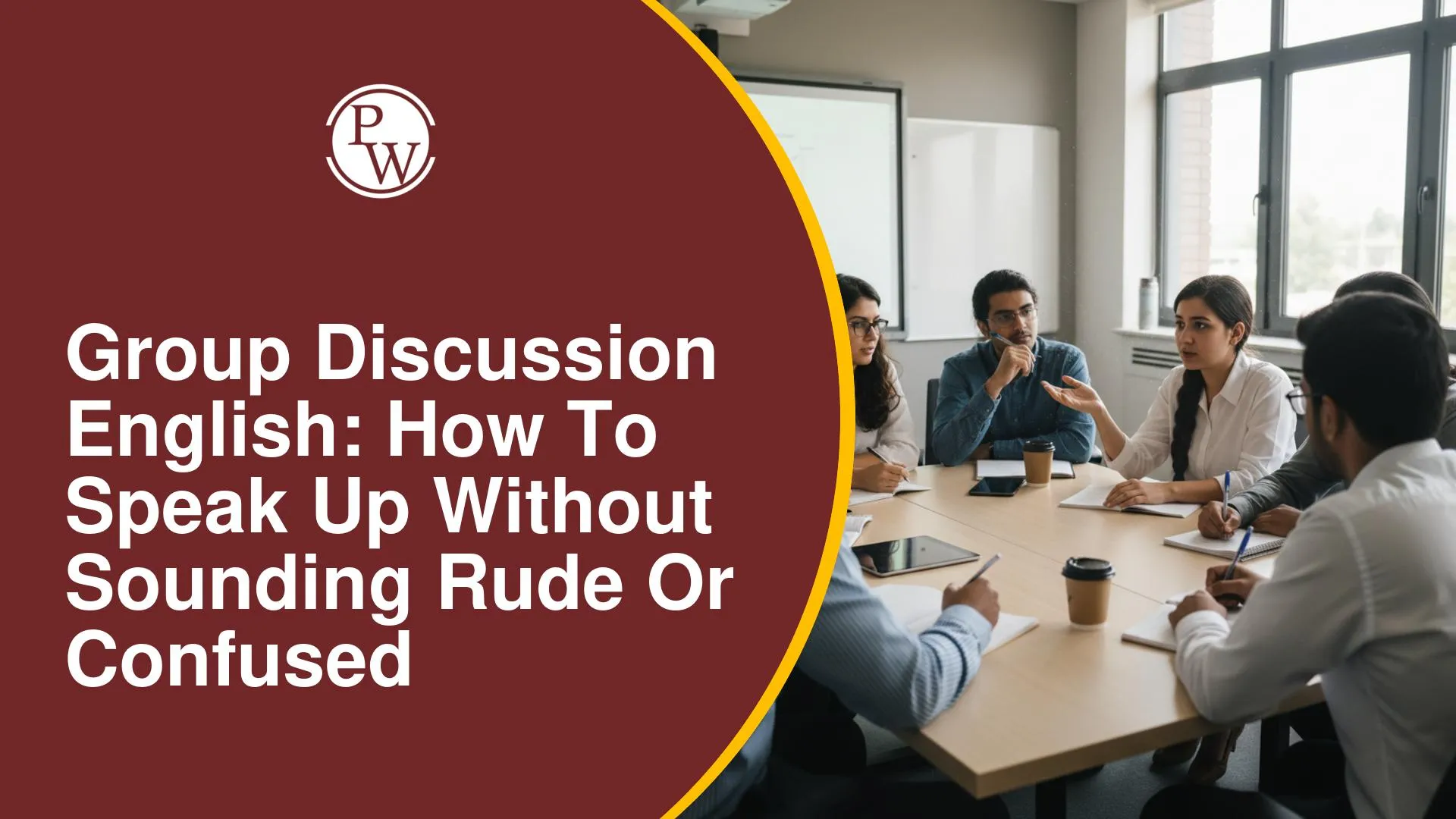
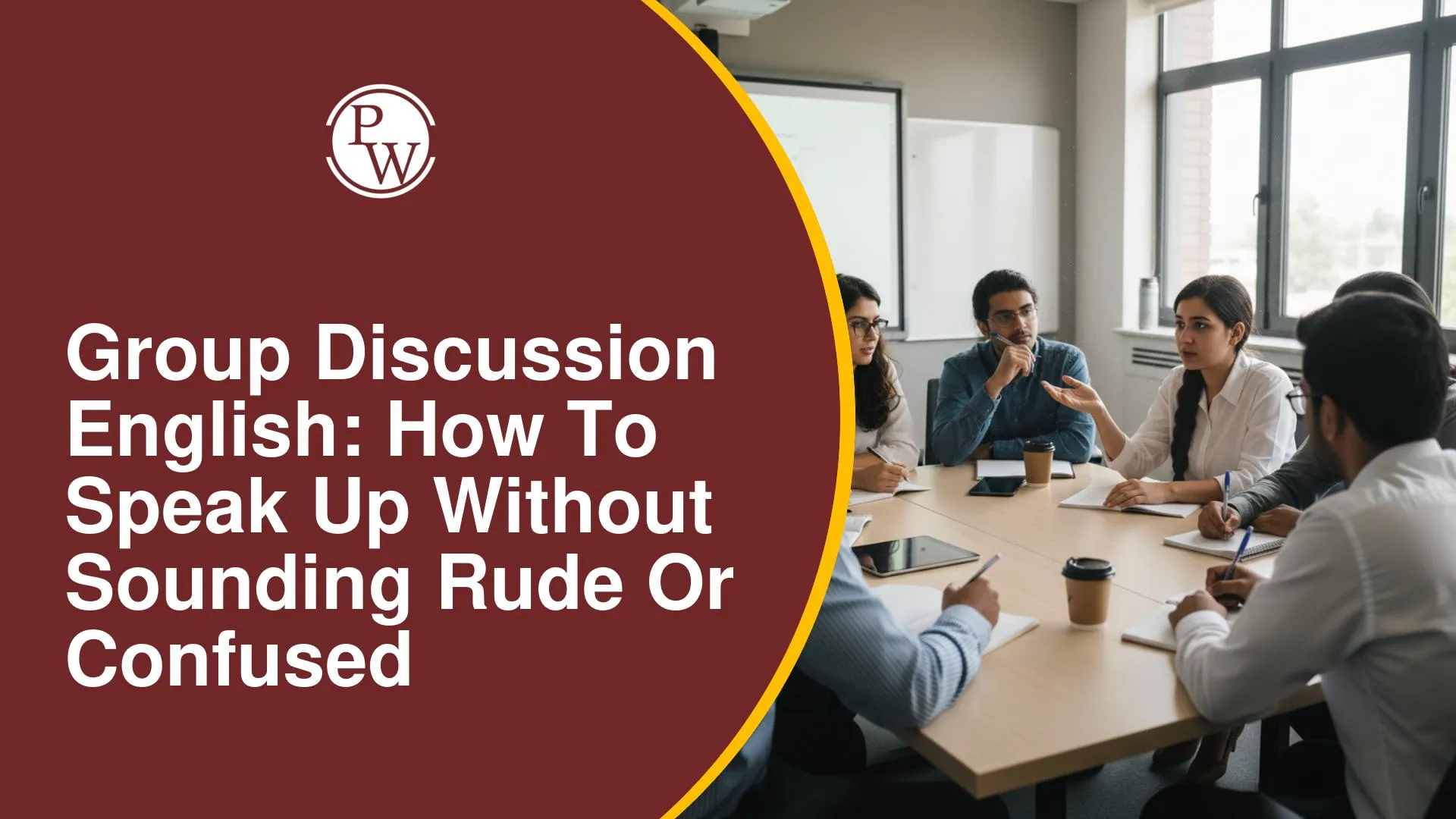
Group Discussion English is more than speaking fluent English. It is about expressing your ideas clearly, listening carefully, and responding with confidence. In placement interviews and workplace discussions, recruiters value candidates who communicate respectfully, think logically, and contribute meaningful ideas. With the right speaking techniques and regular practice, you can participate confidently without sounding rude, nervous, or confused.
Modern employers also value critical thinking along with communication. According to the India Skills Report 2024, states such as Telangana (37.70%), Maharashtra (33.15%), and Andhra Pradesh (33.26%) recorded the highest proficiency in critical thinking among WNET participants. The report highlights that analytical thinking and effective communication are becoming essential workplace skills.
Before participating in a GD, practising interview conversations can also improve your confidence. PW Talk's AI Practice Partner, Riva, lets you rehearse HR conversations so you become more comfortable speaking under pressure.
Why Group Discussion English Matters
Many companies use group discussions to evaluate more than your English vocabulary. They want to understand how you think and communicate.
During a GD, recruiters observe whether you:
-
Present logical ideas
-
Listen carefully
-
Respect different opinions
-
Build on others' points
-
Stay calm under pressure
-
Communicate confidently
Strong Group Discussion English helps you perform well in all these areas.
Think Clearly Before You Speak in a Group Discussion
Many candidates believe fluent English alone is enough. That is not true.
Your ideas should follow a simple structure:
-
State your opinion.
-
Explain your reason.
-
Support it with an example.
-
Conclude briefly.
For example:
Instead of: "I think technology is good because everyone uses it."
Say: "I believe technology improves productivity. For example, online collaboration tools help teams complete projects faster. However, companies should also maintain a balance to avoid excessive screen time."
This approach sounds more confident and organised.
Also Check:
How to Speak Without Sounding Rude
One common mistake is interrupting others. Another is disagreeing too strongly.
Instead of saying:
-
"You're wrong."
-
"That's completely incorrect."
Use professional alternatives such as:
-
"I see your point, but I have a slightly different perspective."
-
"May I add another viewpoint?"
-
"I agree with part of your argument. However, I think..."
-
"That's an interesting observation. I would also like to mention..."
These phrases show confidence while maintaining respect.
Useful Opening Lines for a Group Discussion
Starting can feel difficult. Prepare a few natural opening statements before your GD. You can begin with:
-
"Good morning everyone. I would like to begin by saying..."
-
"In my opinion..."
-
"From my perspective..."
-
"This topic has several aspects worth discussing "
-
"I believe there are both advantages and challenges."
These expressions help you enter the discussion smoothly.
Professional Ways to Join an Ongoing Discussion
Sometimes one participant dominates the discussion. Do not interrupt loudly. Instead, politely enter the conversation by saying:
-
"May I add one point?"
-
"I would like to build on that idea."
-
"If I may contribute..."
-
"Can I share another perspective?"
These sentences sound professional and increase your chances of being heard.
Also Check:
Group Discussion Tips to Express Disagreement Politely
Disagreement is expected in every GD. The difference lies in how you express it.
Use phrases like:
-
"I respectfully disagree because..."
-
"There could be another way to view this."
-
"I understand your point. However..."
-
"I think another factor should also be considered."
Avoid:
-
Raising your voice
-
Arguing emotionally
-
Repeating the same point
-
Personal criticism
Professional disagreement often leaves a stronger impression than aggressive speaking.
Communication Skills Recruiters Notice During a GD
During a group discussion, recruiters assess both your communication and your behaviour. They usually notice whether you:
-
Listen without interrupting
-
Maintain eye contact
-
Use simple language
-
Speak with confidence
-
Stay relevant to the topic
-
Encourage balanced discussion
Good communication is often more important than speaking the longest.
Common Group Discussion Mistakes Freshers Should Avoid
Freshers often make similar mistakes during placement discussions. Avoid these habits:
-
Waiting until the discussion ends before speaking
-
Memorising answers
-
Speaking too fast
-
Using very difficult words unnecessarily
-
Interrupting repeatedly
-
Speaking without supporting examples
-
Remaining completely silent
Simple, clear communication creates a stronger impact.
Group Discussion Preparation Tips
Preparation reduces nervousness. Follow these steps:
1. Read Current Affairs
Read business news, technology updates, education trends, and social issues.
2. Practise Speaking Daily
Speak on one topic for two minutes without stopping.
3. Record and Review Yourself
Listen to your voice and identify areas for improvement.
4. Learn Transition Phrases
Learn expressions such as:
-
"Furthermore..."
-
"On the other hand..."
-
"In addition..."
-
"To summarise..."
5. Improve Active Listening
A good speaker is also a good listener.
Group Discussion Practice Topics
You can improve by practising common GD topics such as:
-
Artificial Intelligence in Education
-
Social Media and Productivity
-
Remote Work vs Office Work
-
Climate Change
-
Digital Payments in India
-
Online Learning
-
Women in Leadership
-
Start-up Culture
While practising, focus on presenting balanced arguments instead of memorising complete answers.
Build Confidence Before Your Placement GD
Confidence develops through regular practice. Try this simple method:
-
Choose one topic.
-
Think for one minute.
-
Speak for two minutes.
-
Record yourself.
-
Review your clarity, speed, and confidence.
-
Repeat the process with a different topic.
You can also simulate interview conversations with AI tools like Riva on PW Talk. Practising HR screening questions and workplace conversations helps you become more comfortable speaking naturally before participating in real group discussions.
Improve Your Group Discussion English with PW Talk
Regular practice is the most effective way to improve your Group Discussion English. PW Talk supports your preparation through:
-
AI-Powered Speaking Partner: Practise English anytime and receive instant feedback on your speaking.
-
250+ Bite-Sized Video Lessons: Learn through short Hinglish video lessons that are easy to understand.
-
4000+ Practice Questions: Reinforce every concept with quiz-based practice after each topic.
-
Roleplay Practice: Improve your communication through 50+ real-life situations such as interviews, office conversations, presentations, shopping, and daily interactions.
-
Grammar and Vocabulary Lessons: Build a strong foundation in grammar, pronunciation, and vocabulary through structured videos.
-
Personalised Learning Path: Track your progress and improve step by step with guided learning.
-
Weekly Live Masterclasses: Attend live sessions with English trainers and get your doubts resolved.
-
24/7 Learning Access: Learn and practise whenever it fits your schedule.
Group Discussion is not about speaking perfect English. It is about communicating your ideas clearly, respectfully, and confidently. Recruiters appreciate candidates who think logically, listen actively, and contribute meaningfully to the discussion.
The India Skills Report 2024 also highlights that employers increasingly value critical thinking along with workplace communication. Candidates who combine analytical thinking with polite and structured communication are better prepared for today's hiring process.
With regular practice, better listening, and structured speaking, Group Discussion English becomes a skill you can develop. Every discussion gives you another opportunity to improve your confidence, communicate professionally, and create a positive impression during interviews and workplace interactions.
Group Discussion English FAQs
How can I improve my Group Discussion English?
What are the most common mistakes in a Group Discussion?
How should freshers prepare for a Group Discussion?


Have questions about your prep?
Our experts can answer all your questions
 Live & recorded classes available at easeDashboard for progress trackingLakhs of practice questions

