








Top 5 Videos on Mahajanapadas: History for SSC Preparation by PW

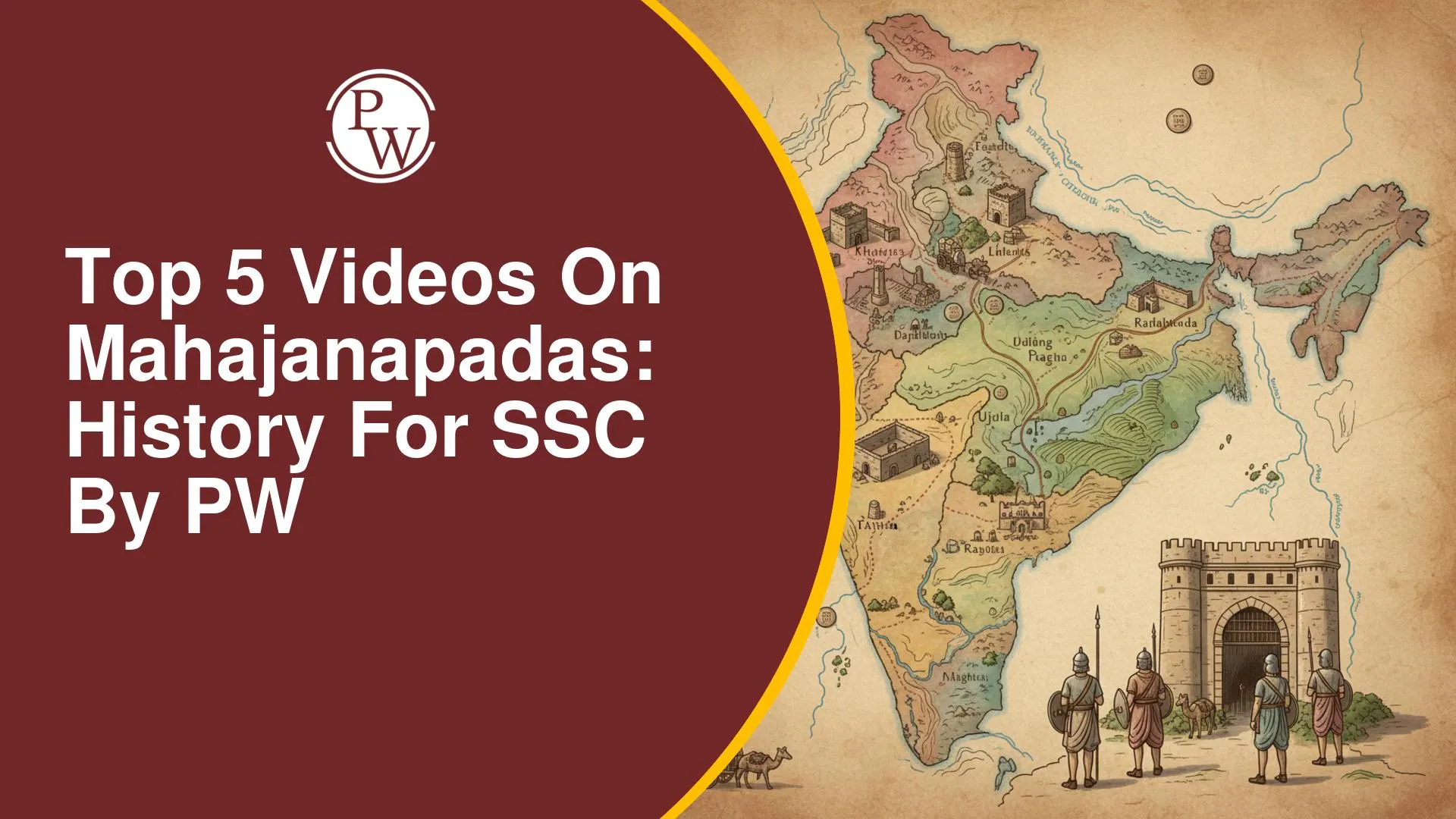
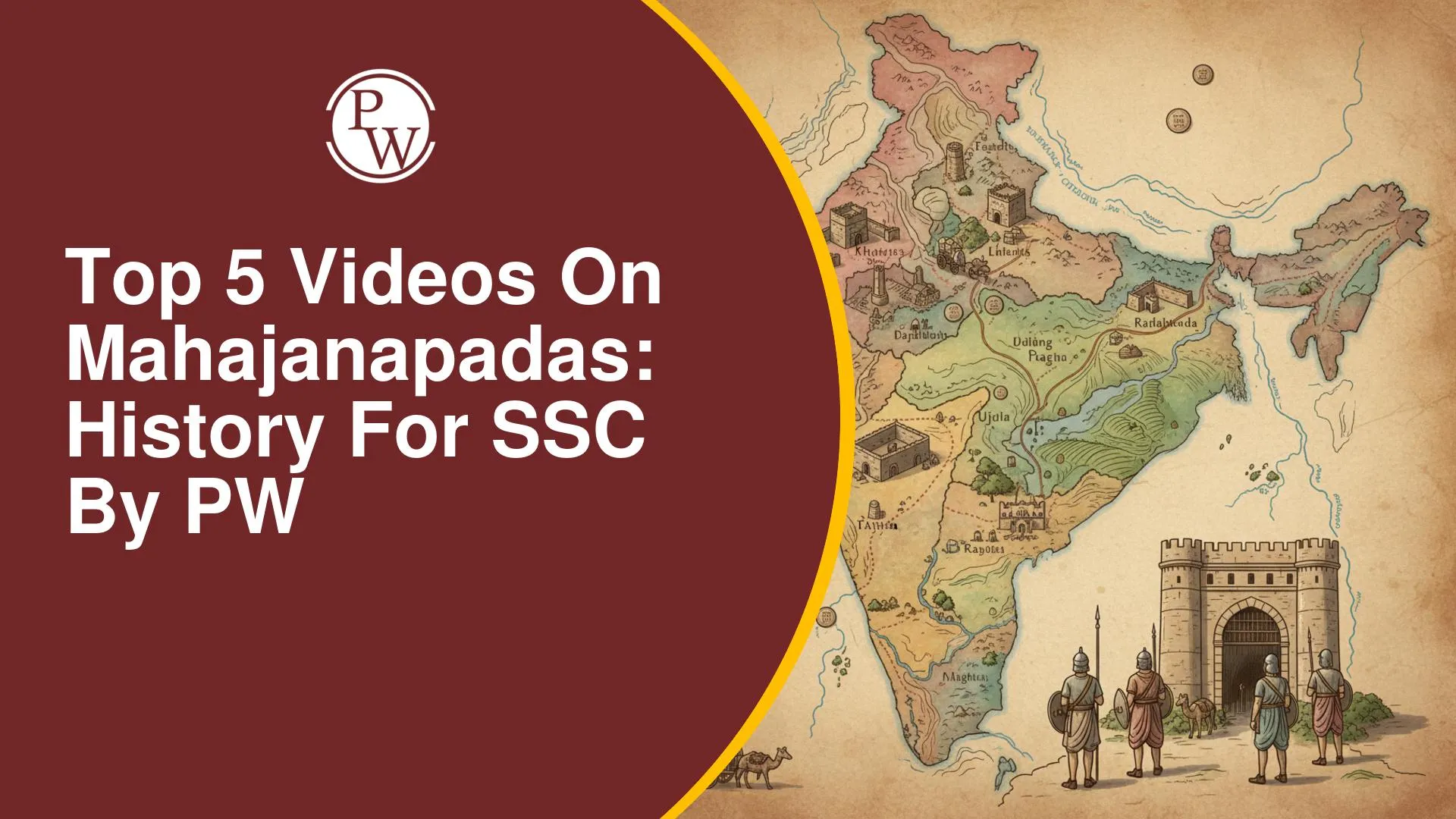
Mahajanapadas is an important topic in Ancient Indian History, but remembering sixteen states, their capitals, locations, rulers and political systems can be confusing. You also need to understand the transition from Jan to Janapada and Mahajanapadas, along with the reasons behind Magadh’s rise. Connecting historical events with maps, sources and dynasties can make revision challenging.
Physics Wallah videos help you study Mahajanapadas through maps, timelines, comparisons, memory aids and exam-based questions. You can strengthen your understanding of the sixteen states, revise important historical facts and practise questions relevant to SSC examinations.
Video 1: Learn All 16 Mahajanapadas With Maps, Sources and Memory Tricks
This video introduces Mahajanapadas through the transition from Jan to Janapada and then to larger states. You learn about all sixteen Mahajanapadas, important sources such as Ashtadhyayi, Buddhist Pali texts and the Jain Bhagavati Sutra, and the difference between monarchies and republics.
Map-based explanations cover states and capitals, including Anga, Magadh, Kashi, Vajji, Malla, Vatsa, Kosala, Panchala, Kuru and Surasena. Questions, repetition and memory aids help you remember historical names, locations and capitals for SSC General Awareness.
Video 2: Understand Mahajanapadas Through Historical Sources and Political Systems
This video explains the transition from the Rigvedic Jan to Janapada and Mahajanapadas. You revise the sixteen states, Buddhist and Jain sources, second urbanisation, iron use, agriculture, permanent settlements, pottery and punch-marked coins. It also compares monarchies and republics, uses maps to explain geographical locations and discusses the Kashi-Kosala conflict and important rulers.
These connected topics help you understand the political and economic changes of the period. Use this lesson to strengthen your General Awareness preparation for examinations such as SSC CHSL.
Video 3: Revise Magadh’s Rise With Dynasties and Exam-Based Questions
This video focuses on the sixteen Mahajanapadas, with special attention to Magadh's rise. You learn about the second urbanisation, the Haryanka dynasty, important rulers, fertile agricultural land, iron resources and rivers that contributed to Magadh's growth. Buddhist and Jain sources, monarchy, republics and regional geography are also covered.
Live polls, multiple-choice questions and answer explanations give you opportunities to test your understanding. Watch this video to connect historical developments with important facts and strengthen your General Awareness preparation for examinations such as SSC CPO.
Video 4: Test Your Mahajanapadas Knowledge With PYQs and MCQs
This video revises all sixteen Mahajanapadas, selected Jainism facts and the differences between monarchies and republican governments. You also learn about Vajji, Gandhara, Taxila, the Haryanka dynasty and rulers such as Bimbisara, Ajatashatru and Udayin. Important capitals, including Rajagriha, Pataliputra and Vaishali, are discussed through examples and questions.
Previous year questions, multiple-choice practice and live responses help you check factual knowledge, improve recall and identify areas that need revision. You can also use this video alongside your SSC MTS syllabus revision.
Video 5: Practise Ancient Indian History Through Chola Dynasty Questions
This video mainly covers Chola history, making it useful for broader Ancient Indian History revision rather than a dedicated Mahajanapadas lesson. You revise important rulers, founders, capitals, territories, temples, administration, taxes, land grants and architecture. Key topics include Raja Raja Chola I, Brihadisvara Temple, Vijayalaya, Rajendra Chola I, village assemblies, Brahmadeya, Vetti and Kadamai.
Question-based explanations help you connect historical names, places and administrative terms. Use this video to expand your Ancient History revision alongside your SSC CGL syllabus.
These five PW videos help you revise important areas of Ancient Indian History through concept explanations, maps, memory aids, MCQs and previous year questions. You can use them to understand the sixteen Mahajanapadas, remember important capitals and sources, study Magadh's rise and practise historical facts.
Watch the videos according to your preparation needs, revise the questions regularly and revisit topics where you make mistakes. Consistent revision and question practice can help you improve factual recall and accuracy in SSC History.


Have questions about your prep?
Our experts can answer all your questions







 Live & recorded classes available at easeDashboard for progress trackingLakhs of practice questions



