







Culture of Odisha, Festivals, Clothing and Famous Arts

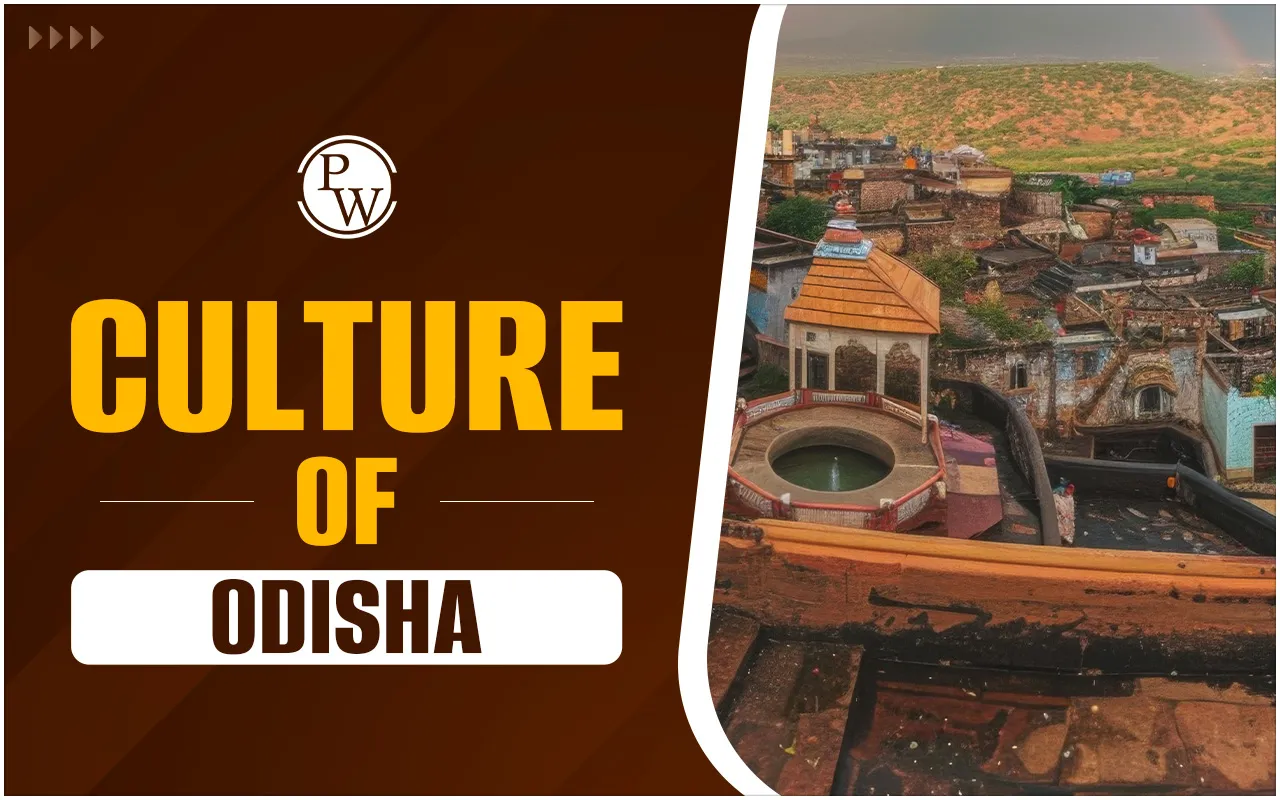
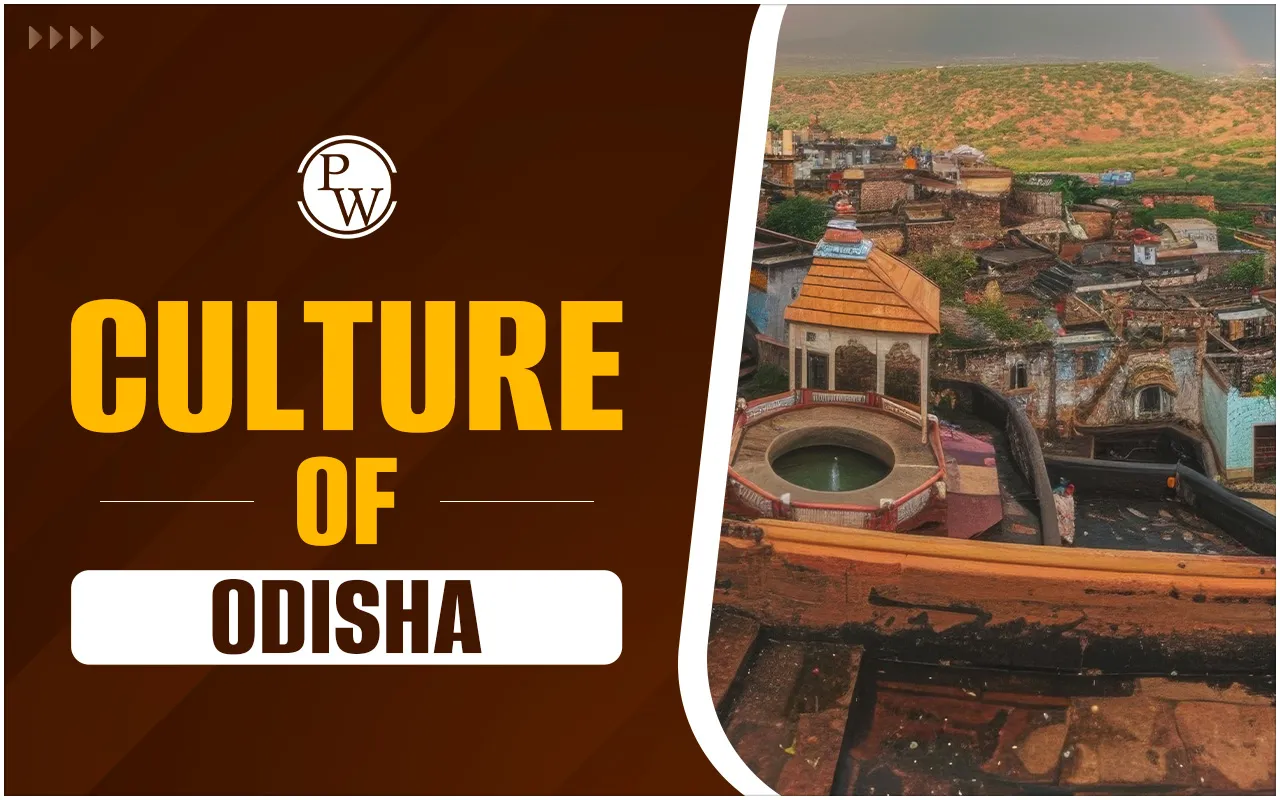
Culture of Odisha: Odisha, once known as Orissa, boasts a rich cultural and artistic heritage that has evolved over centuries. The state's history is marked by the rule of various dynasties, each contributing to its diverse artistic traditions. Odisha is renowned for its classical dance forms, particularly Odissi, and its unique music, which are integral parts of its cultural identity.
Additionally, the state is famous for its intricate handicrafts, vibrant paintings, and sculptures, all of which reflect the artistic brilliance of its people. In this article, we will explore the various facets of Odisha’s artistic heritage, highlighting the beauty and diversity that define the state’s cultural landscape.
Also read: Districts in Odisha
Some Famous Arts of Odisha
Exploring Odisha's rich tapestry of art and culture reveals that the state is home to a plethora of various visual arts and crafts. While a complete list is difficult, some of the more well-known and celebrated forms include:
-
Rock Paintings
Early discoveries in Viramkhol, Jharsuguda district, show that rock art has existed in Odisha since prehistoric times. With the rise of Ashoka the Great, Buddhist sculptural art began to influence and enrich Odisha's cultural legacy. Surprisingly, the caverns of Ratnagiri, Lalitgiri, and Udaygiri continue to stand as living testaments to the outstanding legacy of sculptural ability left behind by some of the region's most skilled craftsmen.
-
Pattachitra Painting
In Odisha's art and culture, 'Patta' refers to cloth, and 'Chitra' refers to a picture. Pattachitra is a mythologically rich traditional art style that frequently features themes relating to Lord Jagannath and the Vaishnava faith. Paintings of Lord Jagannath and Radha-Krishna are very popular among art fans. Pattachitra can also feature representations of Ganesha and Shiva. In this time-honoured craft, the Chitrakara (painting) transforms their own home into a studio, with family members lending crucial support. The finished masterpiece is painstakingly crafted on canvas, complete with intricate borders; in other cases, palm leaves are used as an alternate canvas material.
-
Sand Art
With pure, fine-grained sand and water as raw materials, this is an indigenous type of art that emerged lately when compared to other forms of art. It is performed on the beaches of Puri and covers topics ranging from Hindu deities to international events. With the support of tourism, this art form has grown enormously and gained global renown.
-
Silver Filigree
This art form, known locally as 'Tarakasi,' has a history that dates back almost five centuries. Its roots are in Cuttack, also known as the Silver City of Odisha, as evidenced by its name. To generate fine wire strands, the technique entails meticulously pulling silver through a series of progressively smaller holes. Tarakasi jewellery is commonly used to ornament Durga idols during Durga Puja in Cuttack, as well as to embellish the costumes of Odissi dancers.
Also read: Famous Festivals of Odisha
Architecture of Odisha
Odisha's remarkable architectural heritage appears via its ancient temples, which were left by the Aryans and are among the finest in the country. Notably, the golden triangle of Odisha, which includes the Lingaraja Temple in Bhubaneswar (11th century), the Jagannath Temple in Puri (12th century), and the majestic Sun Temple in Konark (13th century), has received widespread tourism attention. These principal temples reflect the peculiar 'Kalinga' architectural style, with the largest, the Lingaraja Temple in Bhubaneswar, receiving over 6,000 visitors each day and honouring Lord Shiva as Harihara, a synthesis of Vishnu and Shiva.
-
Jagannath Temple
The coastal town of Puri, located in Odisha, is home to the grand Jagannath Temple, which is dedicated to Lord Jagannath and is one of the four sacred Char Dham pilgrimage sites in India. This iconic temple attracts millions of devotees from around the world due to its spiritual significance and architectural grandeur. The temple is most famous for hosting the vibrant and colorful Rath Yatra, an annual chariot festival that sees massive crowds as three grand chariots carrying the deities are pulled through the streets. The Rath Yatra is not only a religious event but also a cultural spectacle, making it a once-in-a-lifetime experience for those who attend.
-
Sun Temple
The temple, built in the shape of a massive chariot with seven horses and twenty-four wheels, was cleverly designed to resemble the chariot of the Sun God. This architectural marvel demonstrates the builders' exceptional vision and execution. The temple's precise and complex sculptural artistry, which has been designated a UNESCO World Heritage Site, is breathtaking.
Also read: Folk Songs of Odisha
Some Famous Folk Dances of Odisha
Odissi, which originated in Devadasi performances, is the dance genre that most closely reflects temple culture and is unique in its essence. It traditionally tells the story of Lord Krishna's pure love for his beloved Radha, inspired by Jayadeva's poetry. This dance is primarily a retelling of mythical stories, brought to life with symbolic costumes, expressive abhinaya, elaborate mudras, and an intrinsic elegance that defines its allure. Here are the other dancing forms:
-
Chhau
This tribal martial dance originated in Mayurbhanj and is a compelling art form in which two groups of dancers, armed with swords and shields, alternate between attacks and defences. The dance unfolds with fast movements and graceful attitudes, all performed against a background tune recognised for its complicated rhythms and lively percussion.
-
Gotipua
Gotipua is a unique practice in which young male dancers play the roles of feminine characters. These boys, who are usually between the ages of six and fourteen, frequently attend akhadas or gymnasiums near the Puri temple. Their mesmerising performances incorporate acrobatic manoeuvres that complement their own singing, resulting in a riveting art form.
-
Pala
This peculiar type of balladry smoothly combines Odissi music, dramatic elements, Sanskrit poetry, and the necessary wit and humour. A vocalist, supported by a small ensemble of four to five musicians, narrates events from religious epics and Puranic scriptures, resulting in an enthralling blend of art and entertainment.
Also read: Ghats in Odisha
Festivals of Odisha
Odisha's festivals are a rich tapestry of cultural celebrations rooted in tradition and spiritual fervour. These celebrations feature boisterous processions, loud music, and colourful ceremonies that bring communities together in a spirit of solidarity and dedication. The state's festivals combine religious significance with cultural exuberance, giving them a riveting presentation of Odisha's rich heritage.
-
Rath Yatra
The annual Rath Yatra in Puri is a grand and vibrant event, attracting millions of devoted pilgrims from around the world. During this festival, the idols of Lord Jagannath, his brother Balabhadra, and sister Subhadra are placed on enormous, beautifully decorated chariots and pulled through the streets by devotees. The procession begins at the Jagannath Temple and moves towards the Gundicha Temple, where the deities stay for nine days. This sacred journey symbolizes the return of the deities to their aunt’s house, and the festival is a powerful display of faith, devotion, and community spirit.
-
Prathamashtami
A significant winter festival in Odisha, Enduri Pitha is celebrated to seek blessings for the long and prosperous life of firstborn children. During this festival, families come together to honor the tradition by preparing the special sweet delicacy known as Enduri Pitha. Made from rice flour, jaggery, and turmeric leaves, this delicious treat is steamed and served as part of the rituals. The festival is a beautiful blend of family bonding, cultural heritage, and the hope for the well-being of the children, making it an important occasion in the lives of many in Odisha.
-
Rajo
This three-day celebration in mid-June is especially important for girls since it focusses on the worship of the Earth Goddess. Festive swings provide delight, and the giving of special rice cake sweets known as pithas is a longstanding tradition. Furthermore, during this event, the art of Jhoti-Chita, a traditional white art form common in rural Odisha, is meticulously constructed.
Clothing of Odisha
Women often wear saris, with popular options being the Kataki, Bomkai, and Sambalpuri variants. Sambalpuri Ikat saris, with their distinctive indigenous motifs, are especially popular among tourists. While the tie and dye technique is derived from Indonesia, the weaving procedures and techniques used are unique and incomparable in contrast to other parts of India. Men customarily wear the Dhoti-Kurta combination, which is accompanied by the Gamucha, a thin, coarse cotton towel.
Also read: Famous Personalities from Odisha
Culture of Odisha FAQs
What is the traditional dance form of Odisha?
What is the significance of the Jagannath Temple in Odisha's culture?
What are the popular festivals celebrated in Odisha?
What is the significance of handicrafts in Odisha?












 Live & recorded classes available at easeDashboard for progress trackingLakhs of practice questions

