







Handicrafts of Odisha, Some Famous Handicrafts of Odisha

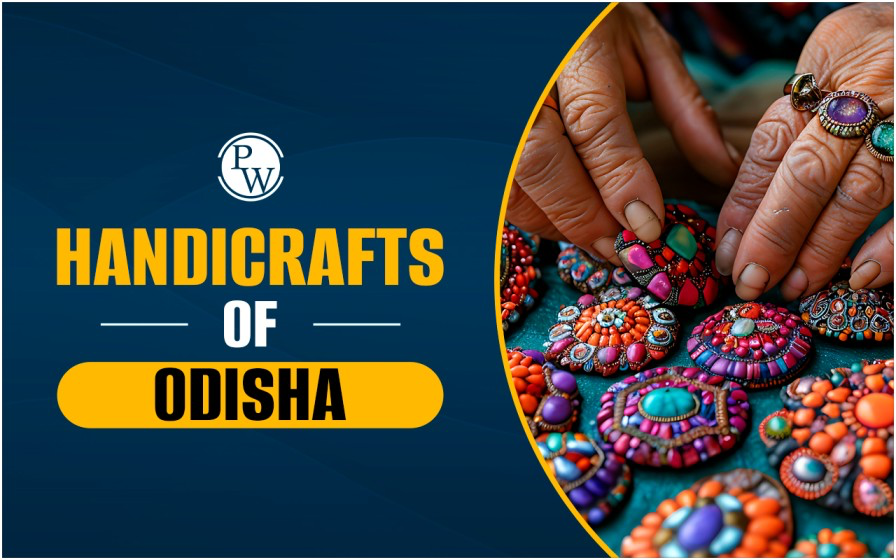
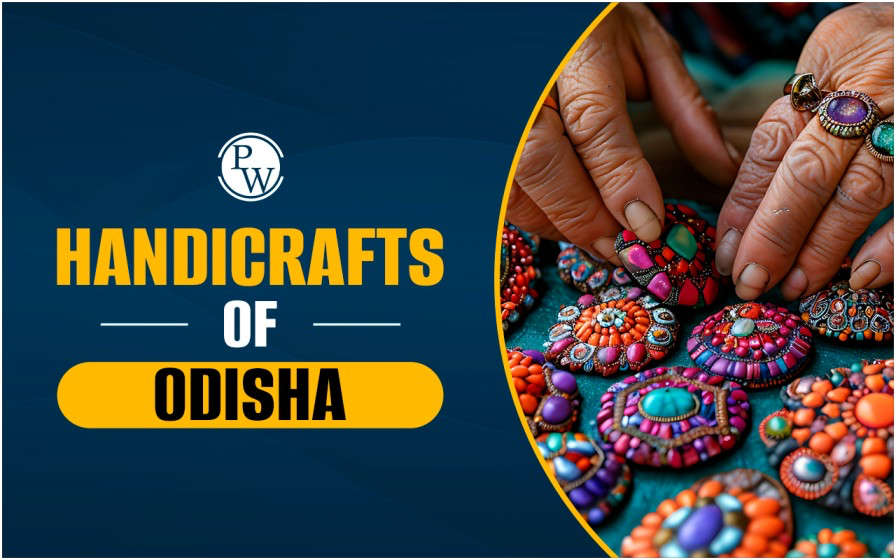
Handicrafts of Odisha: The eastern Indian state of Odisha is renowned for its rich cultural legacy, stunning scenery, and historic temples. Odisha's handicrafts are among the most important facets of its cultural character. With centuries of history, Odisha's handicrafts are a stunning blend of traditional skills, artistic ingenuity, and cultural expressions that capture the diversity of the state's populations.
Also read: Soils in Odisha
Handicrafts of Odisha
Odisha's handicrafts, which range from exquisite silver filigree pieces to elaborate pottery and terracotta, are not only a source of pride for the state's citizens but also a vital component of India's rich artistic traditions. We shall examine the history, methods, and cultural significance of some of the most well-known handicrafts in Odisha on this page.
Some Famous Handicrafts of Odisha
Odisha is well-known for its beautiful handicrafts, such as Horn Work, which are colourful handwoven fabrics with distinctive designs, and Pattachitra paintings, which are elaborate cloth-based artworks telling mythical stories. The state also produces exquisite stone carvings, delicate Dokra metal crafts, and silver filigree jewellery, all of which showcase the state's rich artistic history.
-
Pattachitra Paintings
Pattachitra paintings, one of the most famous and traditional art styles in Odisha, are renowned for their elaborate details and mythological subjects. Patta, which means canvas, and Chitra, which means image, are the Sanskrit terms from which the name "Pattachitra" is derived. These paintings, which are typically created on fabric or dried palm leaves, tell tales from Hindu mythology, particularly those found in the Mahabharata, Ramayana, and the stories of Lord Jagannath.
Also read: Airports in Odisha
-
Terracotta & Pottery
It is said that pottery marks the dawn of civilization. In addition to existing up to this point, pottery also introduced a fresh and creative method. In every district, pottery and terracotta are among the most permitted crafts. The state is home to about 10,000 terracotta artisans who create traditional, ornamental, and functional terracotta objects. Nuagaon, Lunukua, Kusumi, Sonepur, Barapalli, and Haldharpur are a few of the areas with a concentration of terracotta crafts.
Also read: Famous Festivals of Odisha
-
Silver Filigree
In particular, Odisha's silver and filigree work are exceptional instances of artistic brilliance that are uncommon throughout India. Delicate silver wires are fashioned into elaborate patterns. Silver wires are also used to create animal and bird forms and everyday items like vermilion containers. Indian women are big fans of filigree jewellery, particularly brooches and earrings. Cuttack's filigree work is well-known worldwide.
-
Horn Work
The enchanting Odisha Horn Work exhibits exceptional fashion style. The horn articles' vibrant appearance, movement, and vitality compete with the real natural objects. Many of the horn pieces in Paralakhemundi feature tiny silver filigree accents that give them a unique appearance. The horn objects of Paralakhemundi, which is situated in the Gajapati region of Odisha, highlight the area's rich cultural legacy.
-
Tribal Jewellery
In the process of producing breathtaking pieces of art that touch even the most commonplace and functional items of daily life, the tribal people of Odisha create a way of life to the beat of ancient rhythms. For example, exquisite handcrafted dhokra decorations that show people in a circle of tight embrace, such as necklaces, bracelets, and earrings. Zinc, copper, and tin were converted into Dhokra poetry. The 5000-year-old lost wax process is used by artisans in Odisha to create it by hand. This jewellery is a contemporary interpretation of antique jewellery that perfectly blends the old and the new. Tribal jewellery is a distinctive way to accessorise your ensembles.
-
Brass and Bell Metal Ware
Bronze bangles and pots are significant pieces of Odishan art, as are the exquisite engravings found in various objects made of brass and bell metal. Metal artefacts, especially brass ones, are highly prized in Odisha homes. Deities are worshipped with exquisite lamps and lampstands. Many households use brass bowls for measuring rice. Additionally, the craftspeople use brass to create elephants and horses, which they then embellish with elaborate patterns. Brass betel-chewer containers are made to be both functional and aesthetically pleasing.
-
Stone and Wood Carving
Among the ancient crafts of Odisha are wood and stone carvings. Through their inherited talent of stone carving, the descendants of the artisans who previously achieved the highest heights of brilliance in temple building have preserved the sculpture tradition. Temple replicas, images of gods and goddesses, the Konark wheel and horse, and ornamental figurines such as alasa kanya (the lazy damsel), salabhanjika (a lady leaning against a sal branch), surasundari (heavenly beauty), lekhika (a lady writing a letter), and others are among the carved products that are commonly used as home décor. Odisha wood sculptures are nearly as well-liked.
-
Golden Grass and Cane Work
Baskets, hand fans, and table mats are all part of the golden grass handicraft in Odisha. Golden grass, a locally produced material, is also used to weave floor mats. The rising demand for these products now is evidence of their durability, usefulness, and beauty. Baskets and various furniture pieces are woven from cane.
-
Jhoti, Chita, Muruja
Traditional Odia white art, known as jhoti chita, is primarily seen in rural Odisha. It is formed from rice paste, and lovely patterns are made by encircling a piece of cloth with a stick. Additionally, many make jhoti chita with just their bare fingertips. They can be made on floors or over walls. Murja, also known as white stone powder or dry rice powder, has been used to create lovely images on the floor.
-
Also read: Folk Songs of Odisha
Handicrafts of Odisha FAQs
What are the famous handicrafts of Odisha?
What is Pattachitra art?
What is silver filigree in Odisha?
What is unique about Odisha stone carving?













 Live & recorded classes available at easeDashboard for progress trackingLakhs of practice questions

