MP Government Merged Banks Under One State One RRB Policy

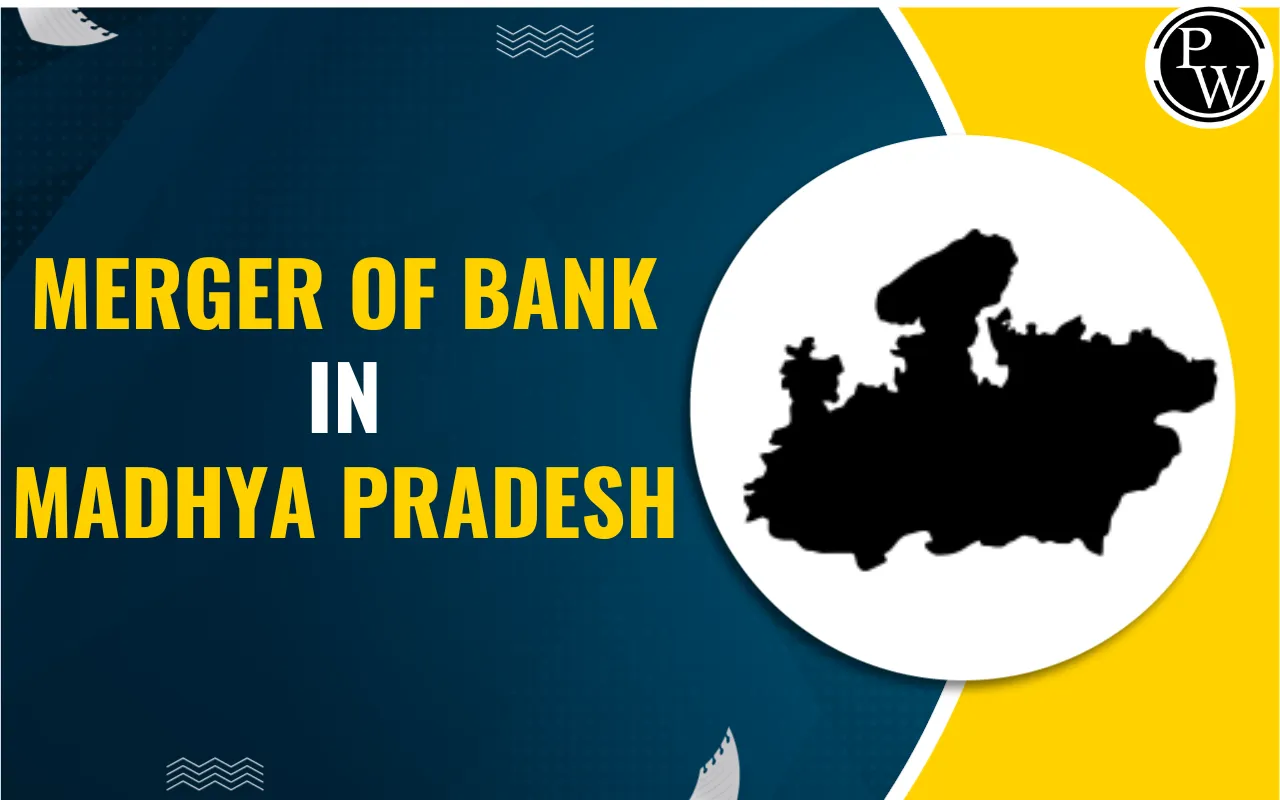
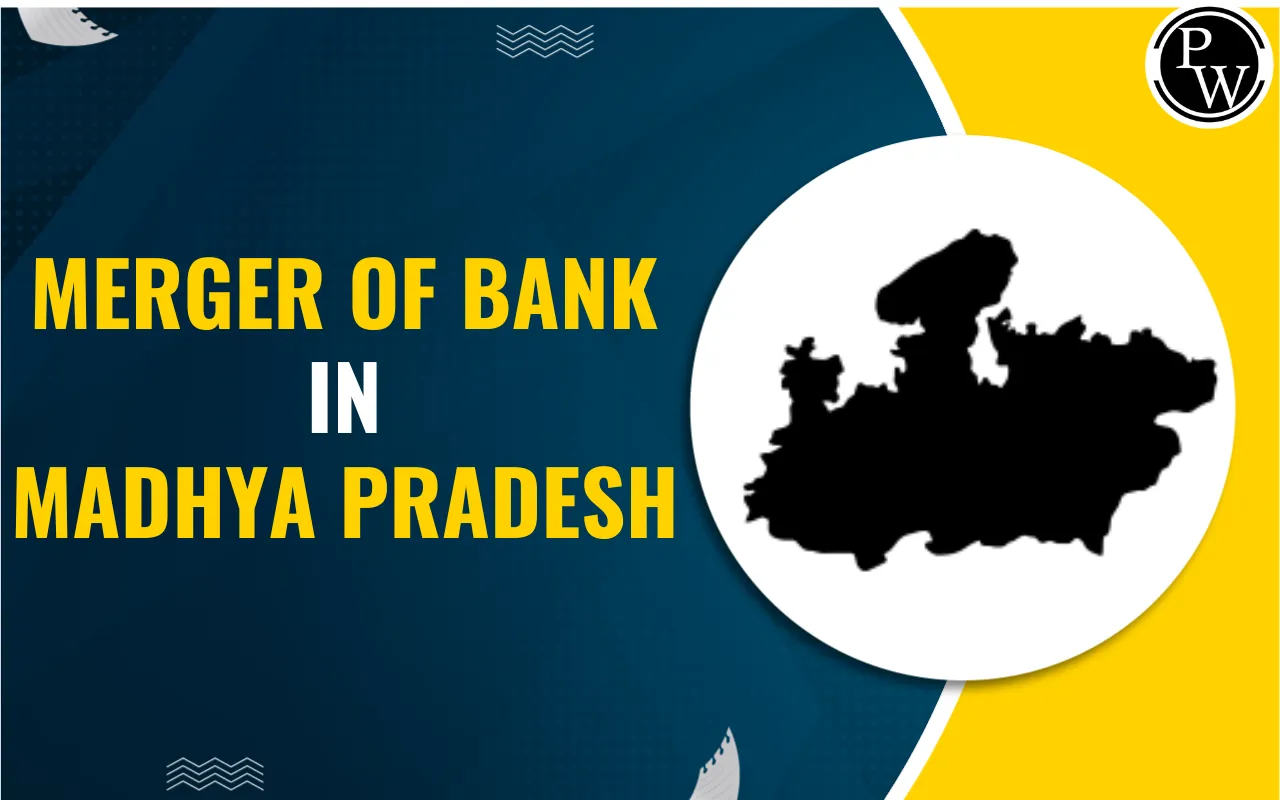
Merger of Banks in Madhya Pradesh: The Central Government has launched a major banking reform in Madhya Pradesh under the “One State, One Regional Rural Bank (RRB)” policy, effective from 1 May 2025. This move merges all RRBs in the state into a single entity, aiming to strengthen rural banking, improve efficiency, and accelerate financial inclusion.
The Merger of Banks in Madhya Pradesh
From 1 May 2025, two rural banks in Madhya Pradesh, Madhya Pradesh Gramin Bank and Madhyanchal Gramin Bank have been joined into one single bank. This new bank is supported by Bank of India and has its main office in Indore. It will now serve all villages in the state. The goal of this merger is to make rural banking stronger, improve services for customers, and reach more villages and people in rural areas.
CareEdge State Ranking Report 2025
Why the Merging Happened?
Earlier, many Regional Rural Banks (RRBs) were working separately in the same state. This caused problems like repeated services in the same area, confusion for customers, and delays in work. The management of so many banks also became difficult and costly. Because of this, customers in villages did not always get the same quality of service everywhere. To solve these problems, the government has decided to merge these RRBs into fewer, stronger banks. This new policy will help in many ways:
-
Better Services: Fewer banks will be easier to manage and can give better and faster banking services to people in villages.
-
Lower Costs: It will save money by stopping the same work being done by different banks in the same place.
-
Simple Management: Managing a smaller number of banks is easier and helps in quicker decision-making.
-
More People Get Help: The merged banks can now reach more villages and help more people with loans, savings, and other banking needs.
What is the RRB Policy?
The “One State, One RRB” policy means that all rural banks (RRBs) in a state are joined together to form one single bank. Earlier, there were 43 such banks across India, but now they have been reduced to 28 by merging them. Each new RRB will have ₹2,000 crore as starting capital. A big bank, called a sponsor bank (like Bank of India in Madhya Pradesh), will still guide and support the new RRB. The main office of the new RRB is set up in a major city of the state, like Indore in MP. This policy aims to make rural banking work better and faster, give better services to people, make banking available to more villagers, and make rules and management easier to follow.
Benefits of Merger of Banks
After the bank merger, customers will get many benefits. Loans will be approved faster, and complaints can be solved more easily in one place. It will be simpler to get help from government schemes, subsidies, and pensions. Digital banking services will improve, and all branches will give the same quality of service. For the rural economy, the new bank will give more loans to farmers, women, and small business owners. It will also better support village development and help more people get access to banking. Resources and technology will be used more smartly and effectively.
Challenges of Merger of Banks
Even though the bank merger has many benefits, there are some challenges too. Joining the staff and managing their work can be a bit difficult. If a weaker bank is merged with a stronger one, it might affect the overall money strength of the new bank. Customers may get confused for a while because of changes in account numbers or other details. It’s also very important to make sure that the technology works smoothly and customers are clearly informed about all the changes.
Padma Bhushan Awarded to Former Deputy CM of Bihar
Merger of Banks in Madhya Pradesh FAQs
Which banks have merged in Madhya Pradesh under the new policy?
What is the One State One RRB policy?
What is the new bank called and where is its headquarters?
What is the main objective of this merger?



 Live & recorded classes available at easeDashboard for progress trackingLakhs of practice questions