Countable and Uncountable Nouns Rules, Examples and IELTS Grammar

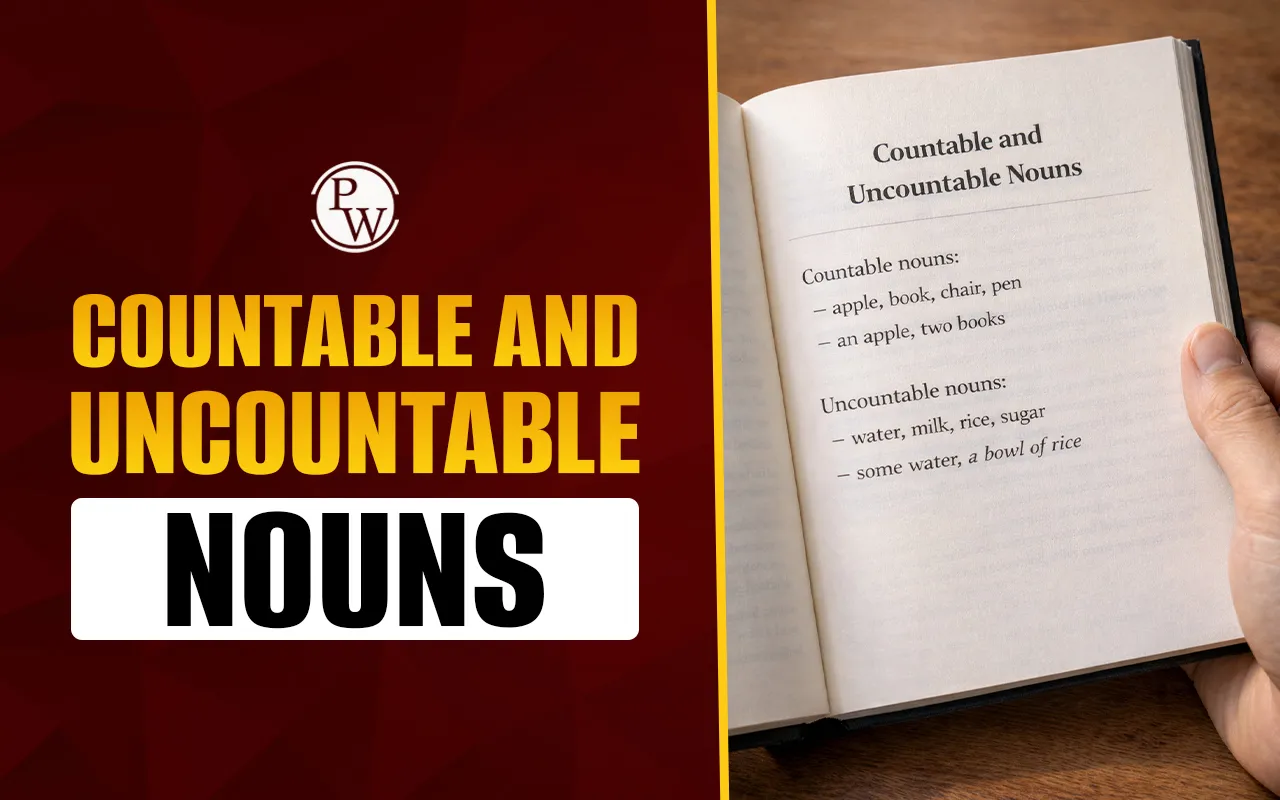
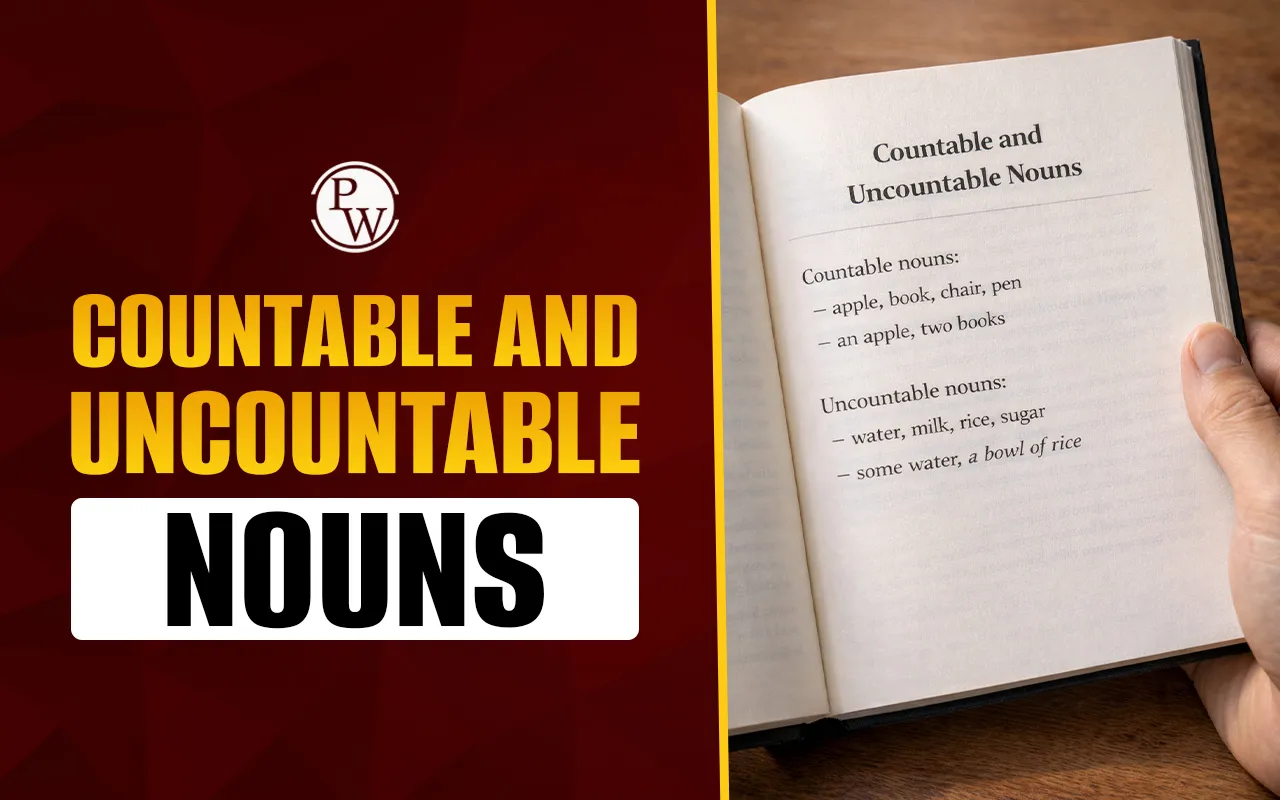
Countable and uncountable nouns for IELTS in English are a basic and very important part of grammar. Just like understanding the simple past tense definition helps learners talk about completed actions, understanding noun types helps learners speak and write correctly. Many grammar mistakes happen because students do not know whether a noun is countable or uncountable.
This topic is especially important for exams like IELTS. Correct use of countable and uncountable nouns affects sentence structure, verb agreement, and the use of articles and quantifiers. In this article, you will learn clear rules, examples, lists, comparisons, and practice ideas.
What are Countable and Uncountable Nouns?
This section explores how nouns classify by countability. Countable nouns represent distinct units. Uncountable nouns refer to substances or abstract concepts. Understanding these noun types is important. It helps students apply correct English grammar rules. This knowledge is crucial for language proficiency, especially for exams like IELTS, where countable and uncountable nouns concepts appear often.
Countable Nouns
Countable nouns are specific items that can be counted. These include individual people, animals, places, or things. They have both singular and plural forms. For instance, 'tree' (singular) and 'trees' (plural). Singular countable nouns always use singular verbs. Plural countable nouns always use plural verbs. We use numbers or quantifiers like "many" or "a few" with them. Examples include 'book', 'chair', 'student', and 'city'.
Uncountable Nouns
Uncountable nouns are not individual objects. Therefore, they cannot be counted. These often represent substances, abstract ideas, or categories. Examples include 'water', 'information', 'advice', and 'furniture'. Uncountable nouns are always singular in form. They always take singular verbs. We use quantifiers like "much" or "some" with them. To specify a quantity, we use phrases like "a glass of water" or "a piece of advice."
Countable and Uncountable Nouns Rules
Learning countable and uncountable nouns rules is essential for correct sentence formation.
Rules for Countable Nouns
Countable nouns follow distinct rules.
-
They have both singular and plural forms. You can say "one apple" or "many apples."
-
Use "a" or "an" before a singular countable noun. Examples are "a car" or "an idea."
-
Numbers can directly modify plural countable nouns. For example, "five pencils."
-
Quantifiers like "many," "a few," and "several" are used. "Many students" or "a few questions" are correct.
Rules for Uncountable Nouns
Uncountable nouns also have clear rules.
-
They always remain in their singular form. Avoid adding 's' to make them plural. For example, "knowledge."
-
Never use "a" or "an" directly before uncountable nouns. "A water" is incorrect.
-
Do not use numbers directly to count them. Instead of "three milks," say "three cartons of milk."
-
Use specific quantifiers. "Much," "little," and "some" are common. Think "much time" or "some money."
-
To express a quantity, use measuring phrases. "A loaf of bread" or "a drop of oil" are good examples. These countable and uncountable nouns rules guide correct usage.
Countable and Uncountable Nouns Examples
Countable and uncountable nouns are an important part of English grammar. Countable nouns are nouns that we can count using numbers. Uncountable nouns are nouns that cannot be counted directly. They usually represent things like liquids, materials, ideas, or abstract qualities. Here are some Countable and uncountable nouns with examples
Examples of Countable Nouns
-
One apple, two apples
-
One book, three books
-
A chair, many chairs
-
One student, five students
Examples of Uncountable Nouns
-
Water
-
Milk
-
Sugar
-
Rice
-
Information
We cannot say one water or two rice. Instead, we use words like some, much, or measurement units.
Countable and Uncountable Nouns List
Understanding common lists helps students identify noun types easily.
Common Countable Nouns List
-
Pen
-
Bag
-
Car
-
Dog
-
Teacher
-
Bottle
-
Phone
Common Uncountable Nouns List
-
Water
-
Air
-
Furniture
-
Advice
-
Bread
-
Knowledge
-
Money
Some nouns may look plural but are still uncountable, such as furniture and information.
Countable and Uncountable Nouns Exercises
These exercises help students understand how to identify and use countable and uncountable nouns correctly in sentences.
Exercise 1: Identify the Noun Type
Write C for countable nouns and U for uncountable nouns.
-
Apple
-
Water
-
Chair
-
Sugar
-
Books
-
Furniture
-
Student
-
Milk
Answers:
-
C
-
U
-
C
-
U
-
C
-
U
-
C
-
U
Exercise 2: Fill in the Blanks
Choose the correct word.
-
I need ___ water. (some / many)
-
She has ___ friends. (much / many)
-
There is ___ rice left in the bowl. (little / few)
-
We bought ___ apples from the market. (a / some)
-
He gave me ___ advice. (many / some)
Answers:
-
some
-
many
-
little
-
some
-
some
Exercise 3: Choose the Correct Option
Select the correct sentence.
A. I have much books.
B. I have many books.
A. She drank a milk.
B. She drank some milk.
A. There are few information.
B. There is little information.
Answers:
-
B
-
B
-
B
Exercise 4: Correct the Sentences
Rewrite the sentences correctly.
-
She gave me many advice.
-
I need a water.
-
There are much sugar in the jar.
Correct Answers:
-
She gave me some advice.
-
I need some water
-
There is much sugar in the jar
Countable and Uncountable Nouns FAQs
What is the main difference between countable and uncountable nouns?
Do uncountable nouns have a plural form?
How do you quantify uncountable nouns?
Why are countable and uncountable nouns important for IELTS?