






Fewer people today visit museums than in the past. Why is this? What can be done to encourage more people to visit museums in the future?


Share
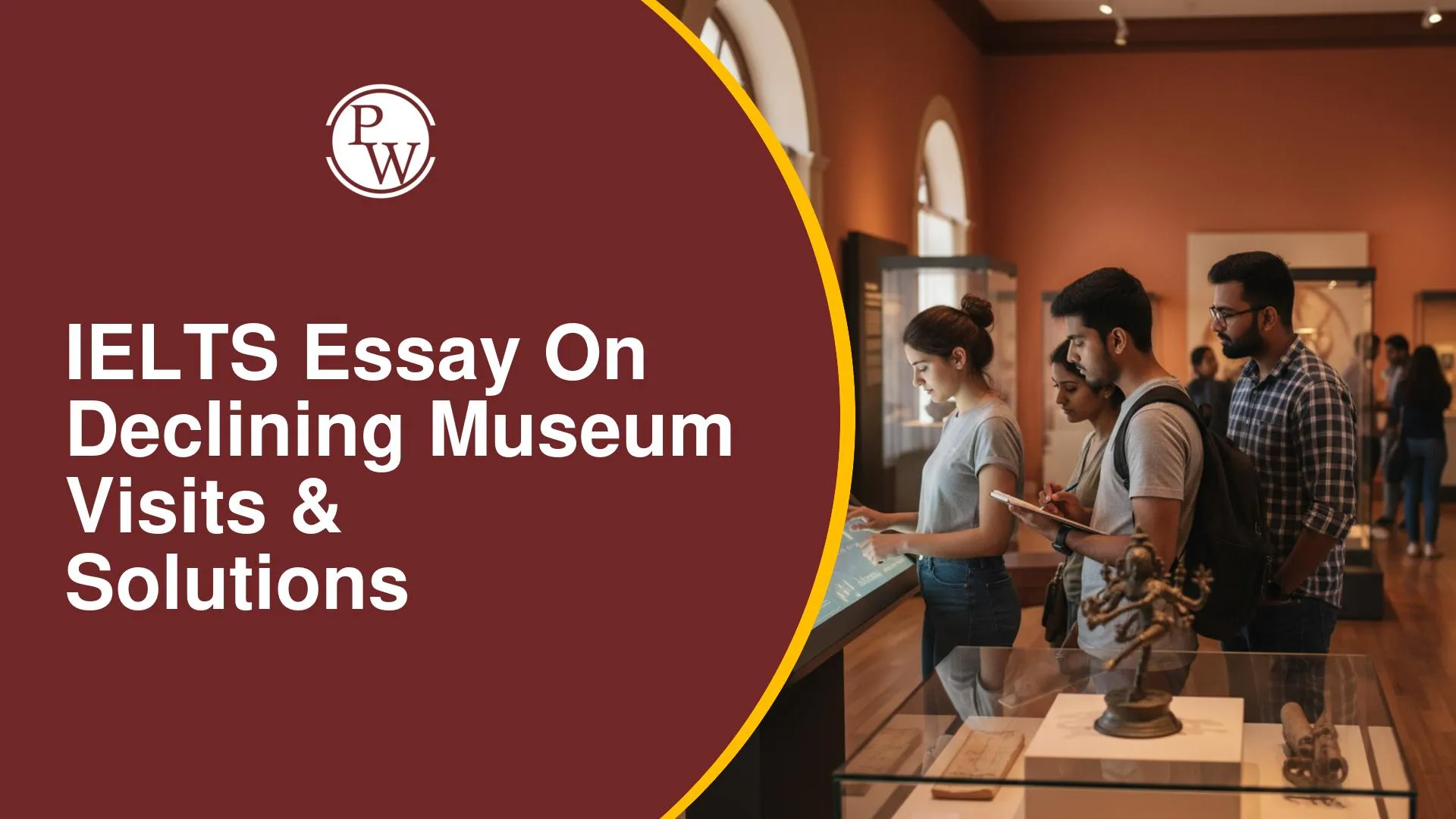
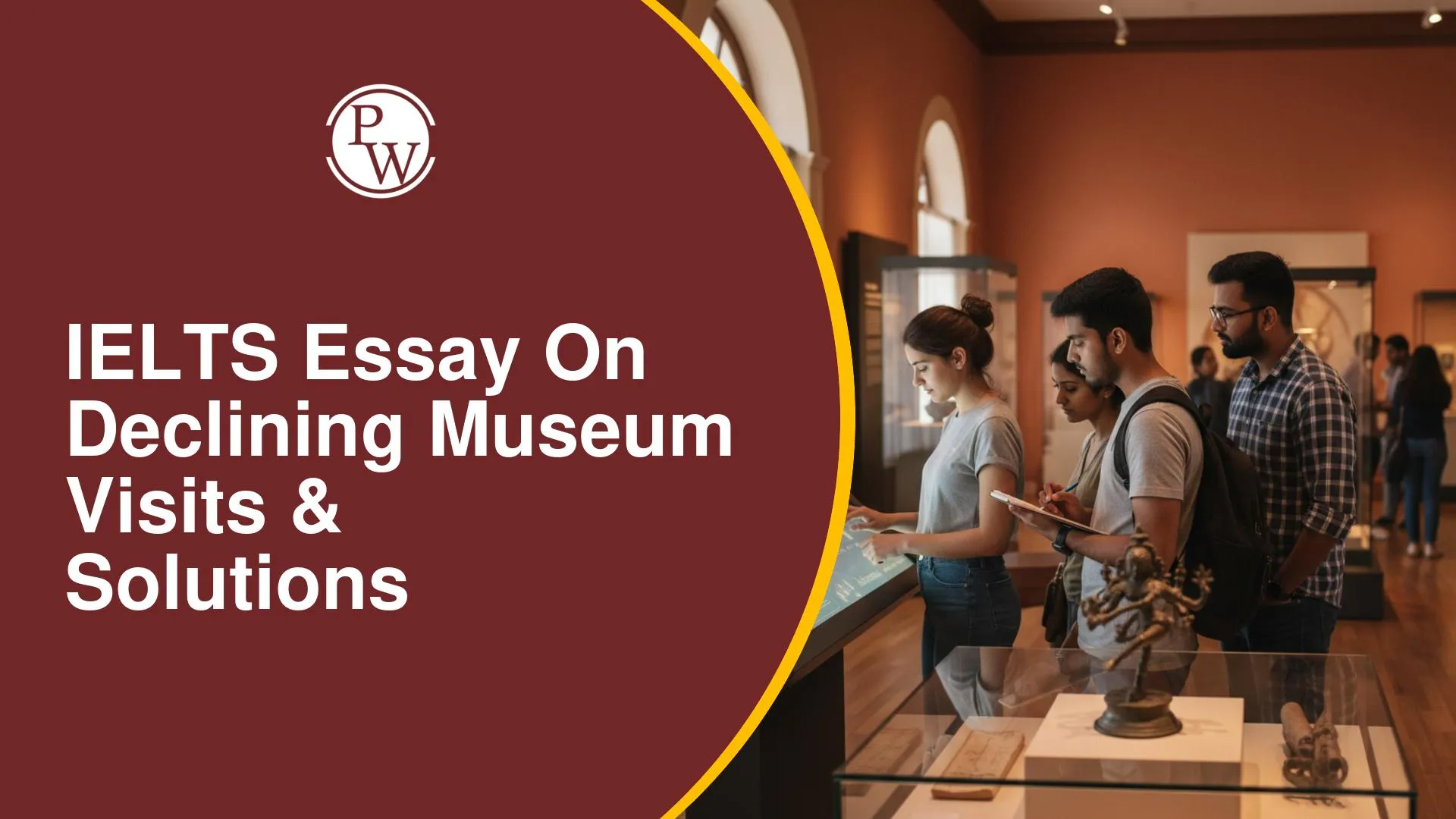
In recent years, there has been a noticeable decline in museum attendance across many countries. Traditionally, museums were regarded as essential cultural hubs where people of all ages could learn about history, art, and science. However, contemporary lifestyles and changing leisure priorities have led to fewer people visiting museums than in the past. This essay will explore the root causes behind this trend and propose effective solutions to encourage greater public engagement in the future.
One of the primary reasons for the reduction in museum visitors is the lack of time for leisure activities in today’s fast-paced world. Many individuals are juggling work, study, and family responsibilities, leaving little free time for activities such as museum visits. Moreover, the schedule conflicts leisure that many people face mean that weekends and holidays are often filled with chores or social commitments.
Another contributing factor is the pervasive stereotype that museums are boring. Despite hosting fascinating collections, many museums fail to dispel this image, especially among younger audiences. A related issue is the difficulty understanding exhibits; complex descriptions or lack of interactive elements can make visitors feel disengaged or overwhelmed. In contrast, people are increasingly drawn to entertainment that offers instant gratification and ease of engagement.
A critical modern challenge is digital distractions vs museum visits. Smartphones, streaming platforms and social media offer convenient and highly stimulating alternatives that compete directly with traditional cultural outings. For many, staying at home with digital content seems more appealing than planning a trip to a museum, particularly when the experience is perceived as static or unexciting.
Financial barriers also play a part. The cost of museum visits, including entry fees and transportation, can deter families and low-income individuals from attending. When discretionary income is limited, these costs may be deprioritized in favor of more affordable or perceived high-value activities.
Despite these challenges, there are several strategies that museums can adopt to revive public interest. First, implementing an effective museum digital marketing strategy can significantly expand outreach. By leveraging online platforms, targeted advertising and virtual tours, museums can reach audiences who might not otherwise consider visiting.
In addition, enhancing the in-person experience is crucial. Museums should invest in interactive exhibits, multimedia guides, and hands-on workshops that make learning both fun and memorable. By improving visitor experience in museums, institutions can transform perceptions and attract repeat visits.
Another powerful tool is museum social media engagement. Active presence on platforms like Instagram, TikTok, and YouTube can showcase behind-the-scenes content, feature spotlight stories on exhibit,s and engage followers with interactive challenges. This not only raises awareness but also builds community and curiosity around museum offerings.
Finally, offering flexible ticket pricing, special discounts for students and families, and extended opening hours can help mitigate the cost of museum visits and accommodate diverse schedules, making museums more accessible to broader audiences.
In conclusion, while declining museum attendance can be attributed to time constraints, digital competition, stereotypical perceptions, and financial barriers, a combination of innovative digital marketing, improved visitor experiences, and better accessibility can reverse this trend. With strategic planning and audience-centric programming, museums can remain vibrant cultural destinations for future generations.