Some people believe that children should be taught how to manage money at school. Do you agree or disagree?

Financial Literacy, also termed as Financial Education, should be taught to young school children. A growing number of experts advocate that schools should be responsible for providing financial education to children. The debate related to the primary objective of educational institutions often extends beyond academic subjects. The education to manage money helps to encompass important skills of practical life.
I completely agree with this perspective. This essay will argue that providing students with important personal finance skills is important to ensure their stability in future in terms of finances. Also, this knowledge helps them reduce the burdens of social debts and promote responsible citizenship. Nowadays, it has become fundamentally important in the modern curriculum to teach students about managing a household budget from a young age
Why Financial Education Imparts Practical Life Skills
The primary justification to include money management in the curriculum is that it directly provides students with skills for practical life. Traditional subjects focus on theoretical knowledge and developing critical thinking in young minds. There are very few which actively prepare an individual for the economic realities of adult life. Every person, regardless of their chosen profession, must eventually deal with earning, spending, saving, and navigating financial institutions.
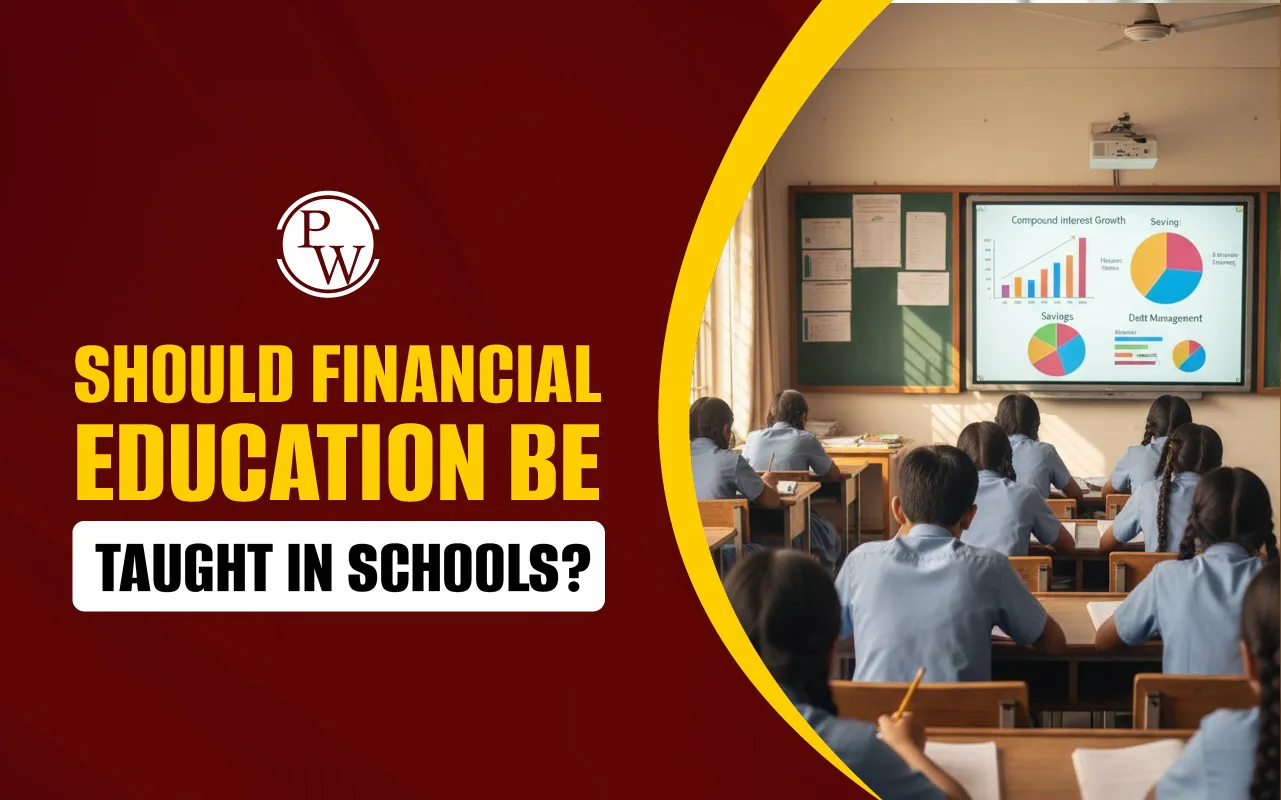
For example, having an understanding of the basics of compound interest, debt management, and the function of credit requires formal instruction. When these topics are included in a structured school curriculum, children are prepared to manage the complexities of financial products and avoid common pitfalls. This knowledge can help avoid things like high-interest debt or unnecessary financial risk later in life.
Also, this foundational knowledge strengthens them to make informed decisions and prevent what can often be a costly process to learn.
Building Responsible Adults: Mastering Personal Finance Skills
Furthermore, integrating Financial Education addresses the requirement to master the core personal finance skills for future independence and self-reliance. These skills go beyond simple arithmetic. They foster important personal traits like responsibility, discipline, and forward planning. These are all beneficial across all aspects of life.
Learning how to set and maintain a realistic household budget in school teaches students the value of delayed gratification and the importance of saving for long-term goals. For example, buying a home or funding higher education gives delayed but very productive results.
When children understand the relationship between their current spending habits and their future financial well-being, they develop a more mature and responsible approach to money. This proactive teaching provides a safe environment for them to grasp complex concepts like taxes, insurance, and retirement planning. This all ensures they are financially literate citizens upon graduation.
In conclusion, I strongly maintain that the responsibility for imparting Financial Literacy should be shared by the school system. It is essential to provide children with the necessary practical life skills to manage money. These skills are very helpful for them to plan a household budget for their overall development. This prepares them for the challenges they will face as adults.
Schools can ensure that the next generation is academically prepared with also financially prepared to handle the responsibilities of the modern world. This all can be helpful by prioritising this type of important Financial Education. This is an important step towards fostering economically stable, responsible citizens.