






Germany Family Reunion Visa, Eligibility, Requirements, Documents & Application Guide
 Aarti .8 Jul, 2026
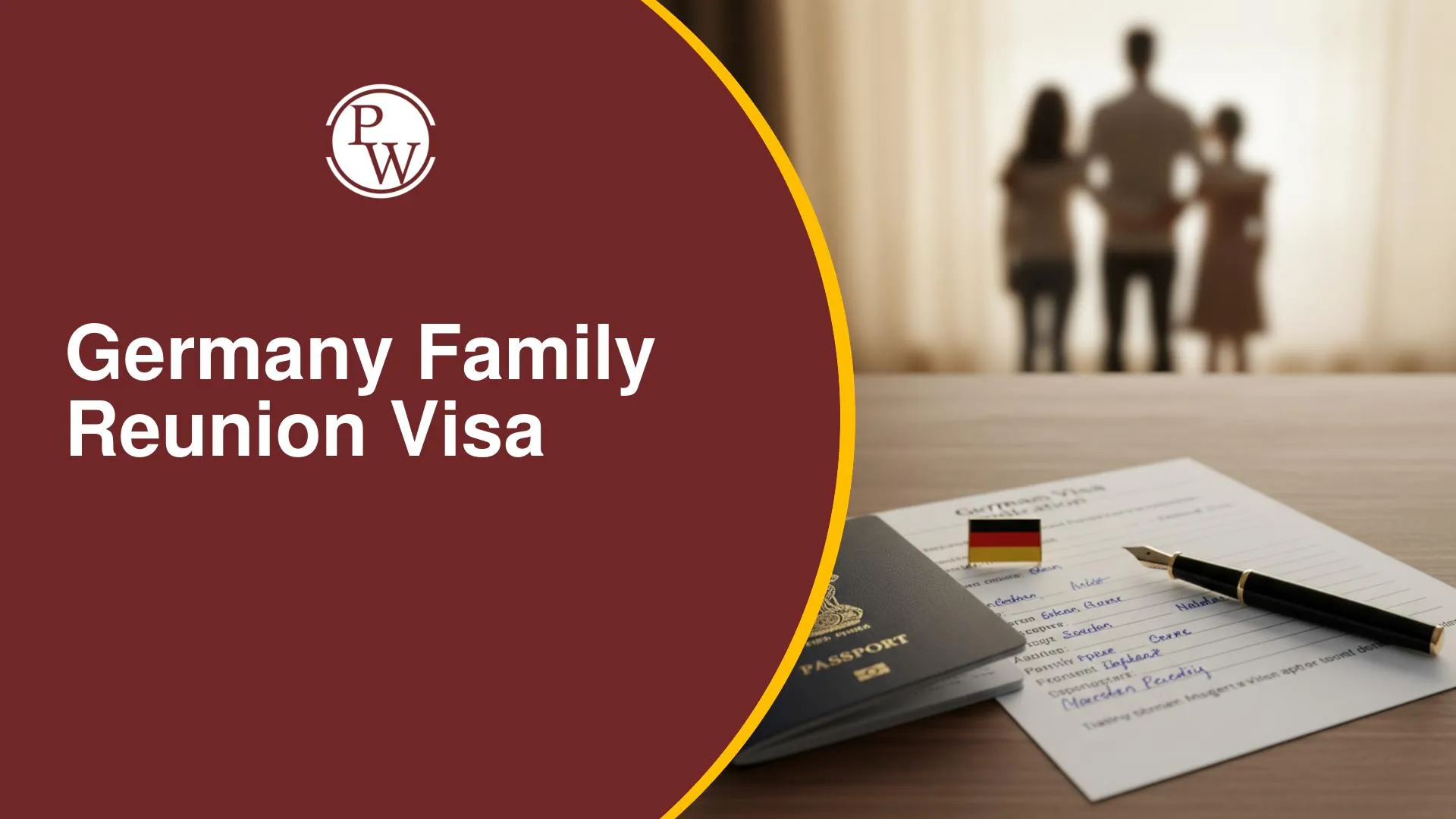
Studying in Germany often means spending months or years away from your loved ones. To help families stay together, Germany offers a Germany Family Reunion Visa. It allows eligible international students to bring their immediate family members, such as their spouse and children, to live with them during their studies.
It is important to understand the eligibility criteria, required documents, and visa requirements before applying. Here we explain everything you need to know about the Germany family reunion visa from India, based on the latest available information.
What is the Family Reunion Visa in Germany?
The Germany Family Reunion Visa allows eligible international students to bring their immediate family members, including their spouse and children, to Germany while they pursue their studies.
The visa is designed to help families stay together during the academic journey of a student. However, applicants must fulfil specific eligibility conditions and submit the required documents in accordance with German immigration regulations.
Need guidance for studying in Germany? 📞 Call our counsellor at 07428398747 for expert admission, visa, and university assistance.
Eligibility Criteria of Germany Family Reunion Visa from India
Students must satisfy certain eligibility conditions before applying for a Germany Family Reunion Visa from India. These requirements help establish that the student can legally and financially support their family during their stay in Germany.
-
Valid Student Residence Permit
Applicants must hold a valid residence permit for studying in Germany. This confirms their legal status as an international student.
-
Sufficient Financial Resources
Students must demonstrate that they have adequate financial resources to support their family members' living expenses, as they may not be eligible for state benefits.
-
Adequate Living Space
Applicants should have accommodation that is large enough to comfortably accommodate their family members after they arrive in Germany.
-
Marriage and Parental Proofs
Students applying to bring their spouse must provide a valid marriage certificate. Those bringing children must submit official birth certificates as proof of the relationship.
Family Reunion Visa in Germany Requirements
Applicants should ensure that all required documents are prepared before beginning the visa application process. The required documents generally include:
|
Document |
Purpose |
|
Completed visa application form |
Filled and signed by the applicant |
|
Valid passport |
Must meet the required validity period |
|
Proof of financial resources |
Documents such as a blocked account (Sperrkonto) or scholarship details |
|
Marriage or birth certificates |
Officially certified copies, as applicable |
|
Proof of accommodation |
Rental agreement or proof of residence in Germany |
|
Health insurance |
Valid insurance coverage for family members |
|
Proof of relationship |
Additional documents, if requested, to establish familial ties |
Special Considerations for Spouses
Applicants planning to bring their spouse should also be aware of the following:
-
Language Proficiency
Spouses are often required to demonstrate basic German or English language skills at the A1 level, unless an applicable exemption applies.
-
Work Opportunities
After arriving in Germany, spouses can generally work without obtaining an additional work permit, provided their visa includes a work authorisation clause.
Steps to Apply for Germany Family Reunion Visa
The application process for a Germany Family Reunion Visa involves several stages. Applying early can help accommodate the visa processing timeline.
1. Submit the Visa Application
Family members must apply for the visa at their local German Embassy or Consulate. The application should include all the required supporting documents.
2. Attend the Visa Appointment and Interview
As part of the application process, applicants are required to attend an interview. During this stage, the authorities verify the purpose of travel and confirm the relationship between the applicant and the student residing in Germany.
3. Wait for Visa Processing
The processing time for a Germany Family Reunion Visa can vary depending on the complexity of the application. In some cases, it may take several weeks or even months, making early application advisable.
4. Travel to Germany and Complete Registration
Once the visa is approved, family me mbers can travel to Germany. After arrival, they must register with the local Residents' Registration Office (Einwohnermeldeamt).
How IELTS Can Help in Germany Family Reunion Visa
Although the Germany Family Reunion Visa primarily focuses on eligibility and documentation, IELTS can support students and their families in several ways.
-
Supports Language Requirements
German authorities may require basic German proficiency for family members, particularly spouses. While IELTS is an English language test, strong English proficiency can help simplify communication during the initial stages of living in Germany and serves as internationally recognised proof of English language skills.
-
Strengthens Student Visa Preparation
Many German universities require IELTS scores as proof of English proficiency for admission. Meeting these language requirements can strengthen a student's preparation for studying in Germany.
-
Improves Academic and Career Opportunities
A good IELTS score can enhance academic and employment opportunities. Better educational and career prospects can indirectly support a student's ability to bring and support their family while studying in Germany.
4 .Supports Spouse Employment Opportunities
If a spouse plans to apply for English-speaking job roles in Germany, an IELTS score can strengthen their job application by demonstrating English language proficiency.
Financial Planning Tips for Bringing Your Family to Germany
Planning finances in advance can help make the relocation process smoother. Some important points to consider include:
-
Calculate expected expenses such as rent, groceries, health insurance, and children's schooling (if applicable).
-
Explore scholarships and financial aid opportunities that may help reduce overall expenses.
-
Maintain sufficient funds in your blocked account to meet the financial requirements for supporting your family.
Study in Germany with PW IELTS Study Abroad
Planning to study in Germany? Understanding student visas, language requirements, and family reunion options is an important part of your preparation. PW Study Abroad provides guidance throughout your study abroad journey, from choosing the right university to understanding admission requirements and IELTS preparation.
With guidance support and reliable resources, you can make informed decisions for studying in Germany with confidence.
Explore the IELTS Online Coaching to access essential resources for IELTS exam preparation, including detailed insights and strategies. Dive into the IELTS 2026 for structured courses and focused study plans designed to help aspirants in their exams.
Germany Family Reunion Visa FAQs
What is the Germany Family Reunion Visa?
Who is eligible for a Germany Family Reunion Visa?
What documents are required for a Germany Family Reunion Visa?
How long does the Germany Family Reunion Visa process take?
Is language proficiency required for a spouse?
How IELTS can help in Germany Family Reunion Visa?




Get Free Counselling Today
and Clear up all your Doubts
 Live & recorded classes available at easeDashboard for progress trackingLakhs of practice questions

