






The increase in the number of privately-owned cars is having a negative impact on both our towns and the environment. What can individuals and the government do to reduce this problem?


Share
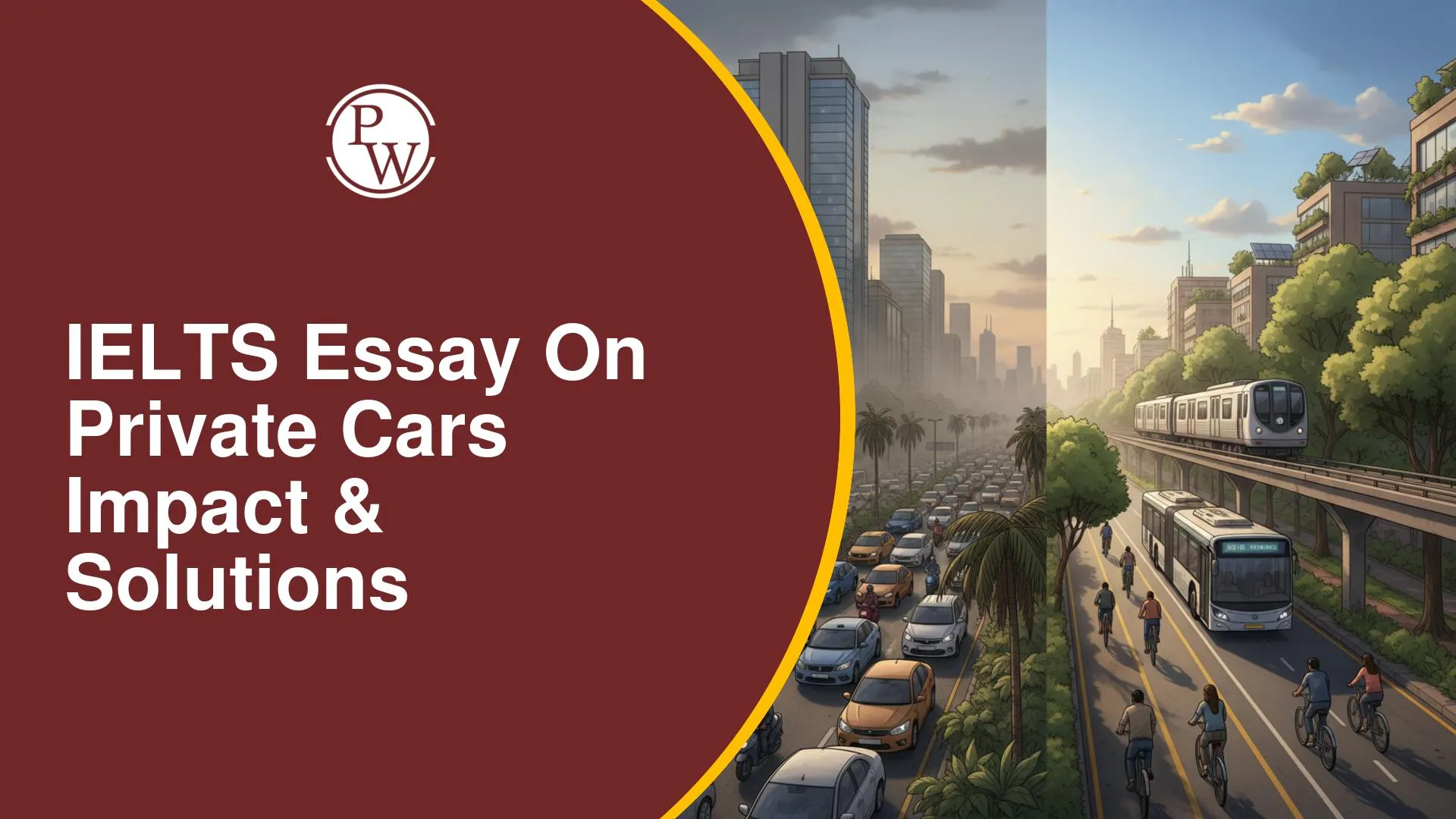
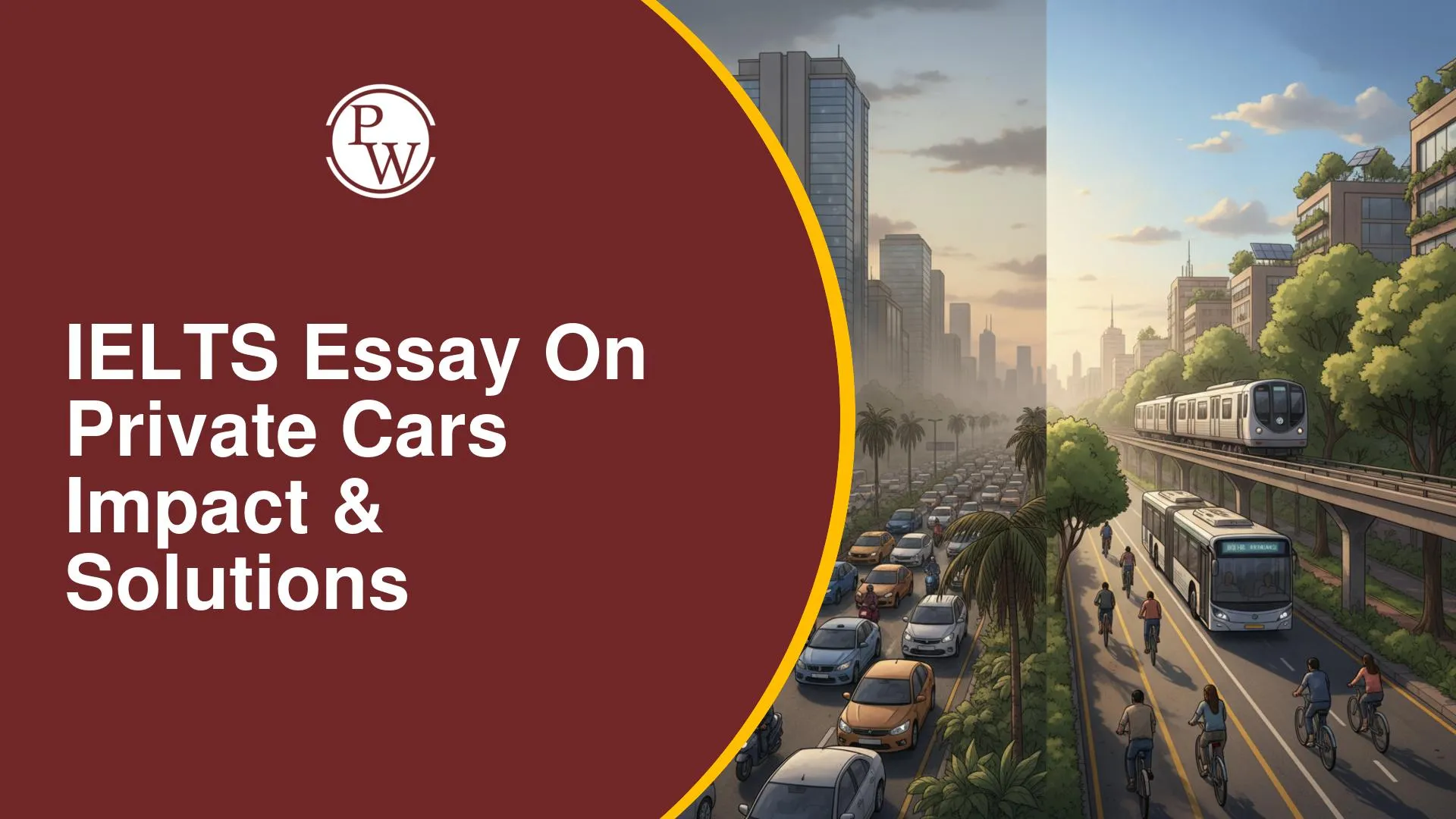
In many cities around the world, the rapid rise in privately-owned cars has significantly degraded urban life and the environment. This surge in private vehicles not only worsens traffic congestion but also contributes heavily to air pollution. To tackle this pressing issue, both individuals and governments must adopt proactive measures. By implementing smart policies to reduce private car usage and encouraging alternatives, it is possible to create healthier, more efficient urban environments.
The most visible consequence of excessive car ownership is traffic congestion. During peak hours, roads in major cities resemble parking lots, with vehicles barely moving for long stretches. Such congestion wastes time, increases fuel consumption, and elevates stress for commuters. Another major concern is carbon emissions from cars, which contribute to poor air quality and climate change. Due to the high concentration of fossil-fuel vehicles, many urban centres face dangerously high pollution levels that have serious public health implications.
Individuals can play a significant part in reducing car emissions and traffic congestion. Firstly, people should form car-sharing groups and choose public transport whenever possible. By opting for buses, trains, or cycling for short distances, commuters can dramatically lessen the number of vehicles on the road. Carpooling not only reduces fuel usage but also lowers individual travel costs. Additionally, individuals can switch to electric vehicles (EVs) or hybrid cars to minimize emissions; this also sends a positive demand signal to the market for cleaner vehicles.
However, individual choices alone are insufficient without strong government intervention. One effective approach is urban planning to reduce car dependence. Governments should invest in sustainable urban design that prioritises pedestrians, cyclists, and efficient public transit systems. Transit-oriented development (TOD), where residential and commercial areas are built around high-capacity public transport hubs, can significantly reduce the need for private cars by ensuring that essential services are within easy reach of transit lines.
Governments can also introduce concrete traffic congestion solutions such as congestion charging zones, where drivers are charged a fee to enter busy urban cores during peak hours. This tactic discourages unnecessary car trips and encourages commuters to shift to public transport. Implementing parking restrictions in urban areas, such as reducing the number of free parking spots and increasing parking fees, further incentivises people to reduce private car usage.
Furthermore, fiscal policies can support cleaner mobility. By offering incentives to buy electric vehicles (EVs), such as tax rebates, subsidies, or lower registration fees, authorities can make EVs more affordable and attractive. Investment in EV infrastructure, like public charging stations, will also enhance the practicality of switching away from fossil-fuel cars.
In conclusion, the growth in private car use has created serious challenges for towns and the environment. To address these issues, individuals should actively choose alternative transport modes, and governments must implement comprehensive strategies, including better urban planning, traffic congestion solutions, and incentives for cleaner vehicles. A collaborative effort will not only improve urban life but also safeguard the environment for future generations.