






International sporting events promote peace between countries. To what extent do you agree or disagree?


Share
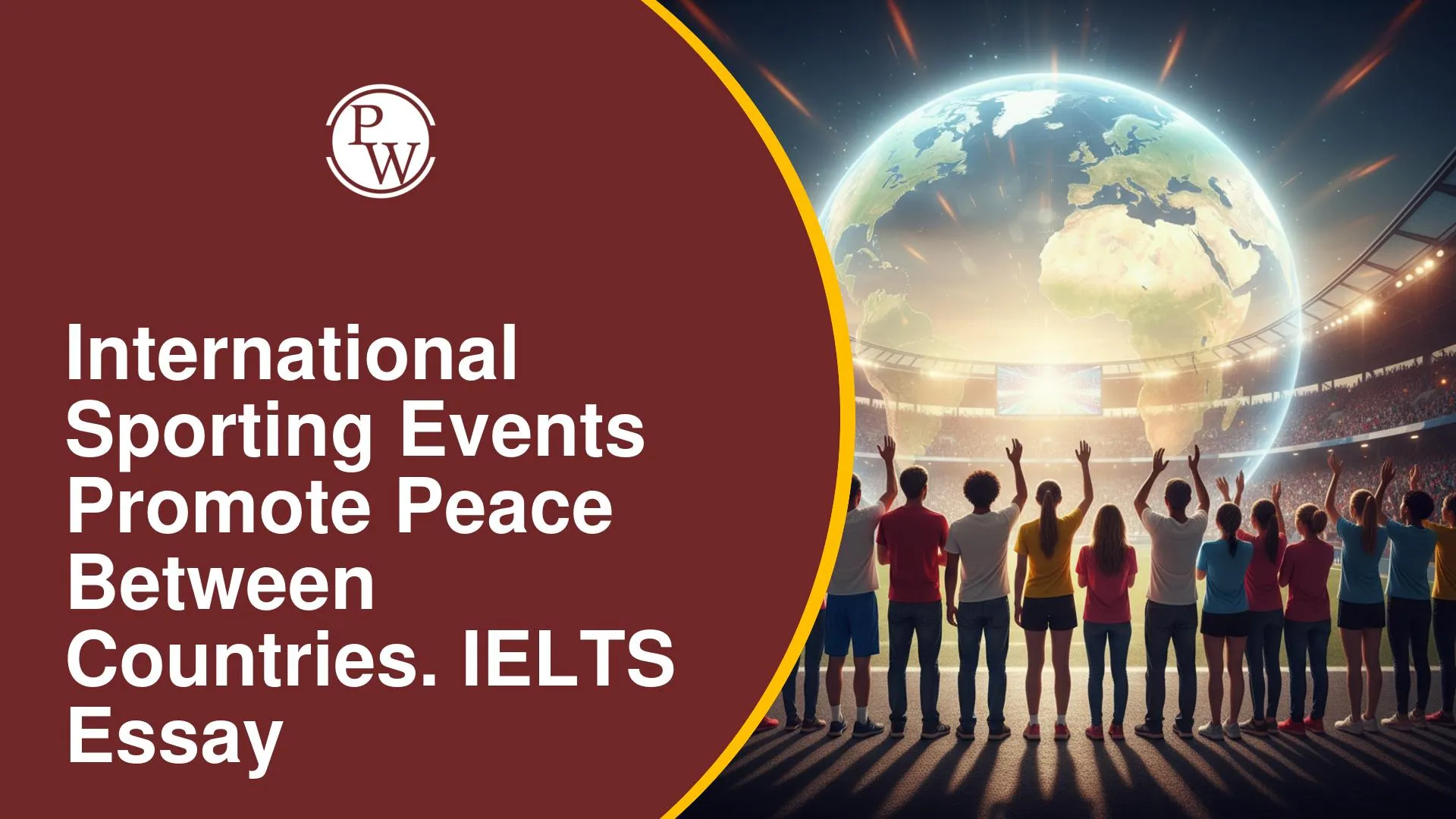
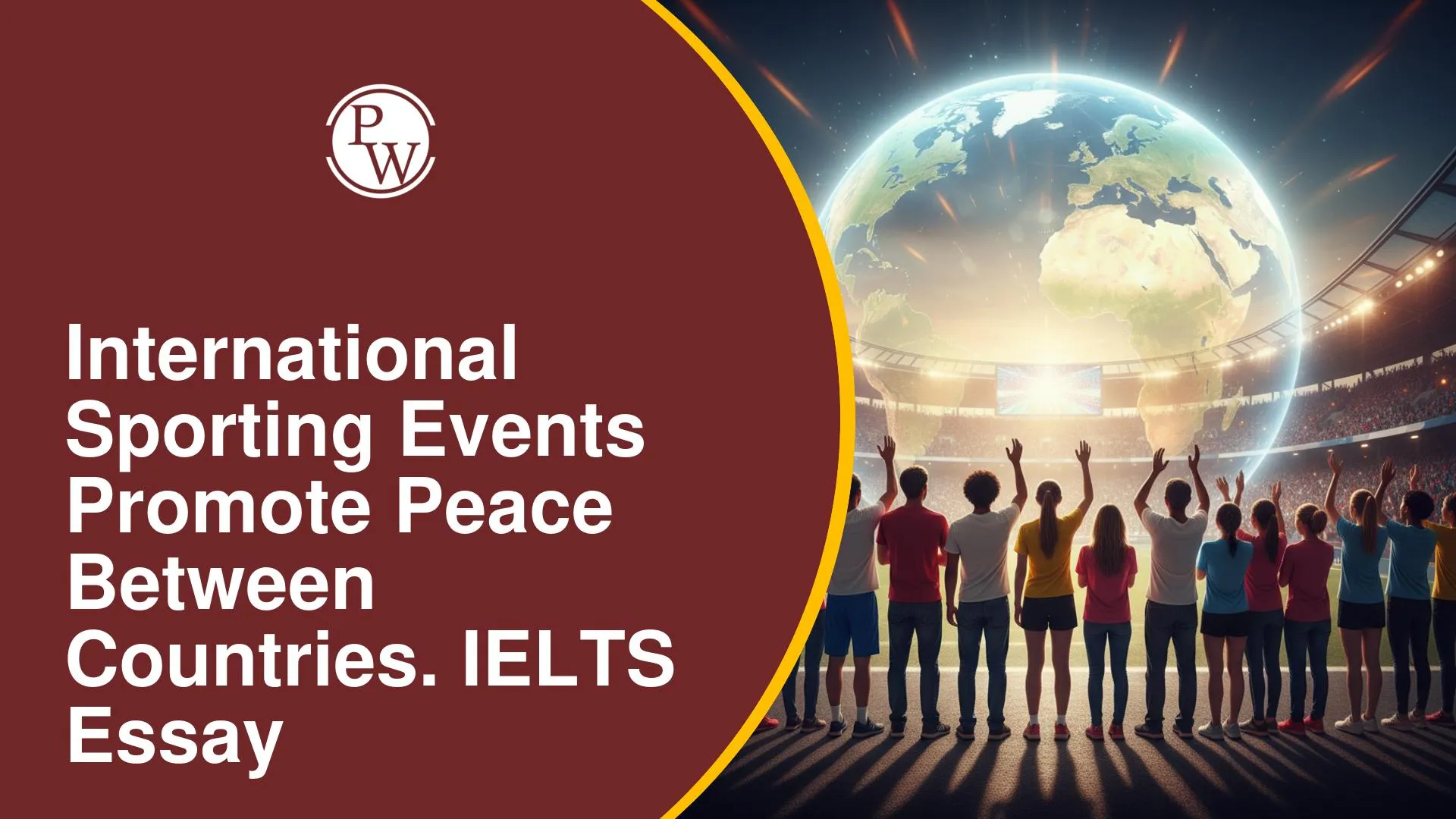
International sporting events have long been regarded as a powerful medium for fostering harmony among nations. Advocates argue that such events transcend political and cultural boundaries, encouraging dialogue, understanding, and goodwill. I strongly agree that international sporting events contribute significantly to sports and world peace, although they cannot entirely eliminate geopolitical tensions.
One of the key ways in which sports promote peace is through sports diplomacy. International sports competitions offer a neutral platform for countries to interact outside the confines of formal political negotiations. Events like the Olympic Games or the FIFA World Cup provide opportunities for athletes and spectators to engage with different cultures, cultivating mutual respect and tolerance.
By celebrating skill, teamwork, and fair play, these competitions embody the principle of peace through sports, where rivalry is confined to the field rather than spilling over into political conflict.
Moreover, international sports events foster dialogue and cooperation between nations. Hosting tournaments requires collaboration among governments, sporting bodies, and local communities, which can enhance diplomatic relations and strengthen cultural exchange.
Historical examples, such as “ping-pong diplomacy” between the United States and China, demonstrate how sporting interactions can ease political tensions and create a foundation for peaceful engagement. Through such mechanisms, international sports competitions serve not only as entertainment but also as instruments for global understanding and cooperation.
However, it is important to acknowledge the limitations of sports as a tool for peace. Nationalism and intense competition can sometimes exacerbate conflicts rather than resolve them. Incidents of hooliganism, politically motivated boycotts, or biased judging highlight that sports alone cannot address deep-seated political or historical disputes.
Therefore, while international sporting events play a valuable role in promoting goodwill and understanding, they are not a substitute for formal diplomacy or conflict resolution.
In conclusion, international sporting events significantly contribute to sports and world peace by encouraging dialogue, cultural exchange, and mutual respect. While their ability to resolve complex international disputes is limited, the concept of peace through sports remains a practical and meaningful approach to fostering global understanding.
By supporting and valuing international competitions, nations can leverage the universal appeal of sport to strengthen ties and promote harmony on the world stage.