






IELTS Listening Map Labelling Tricks

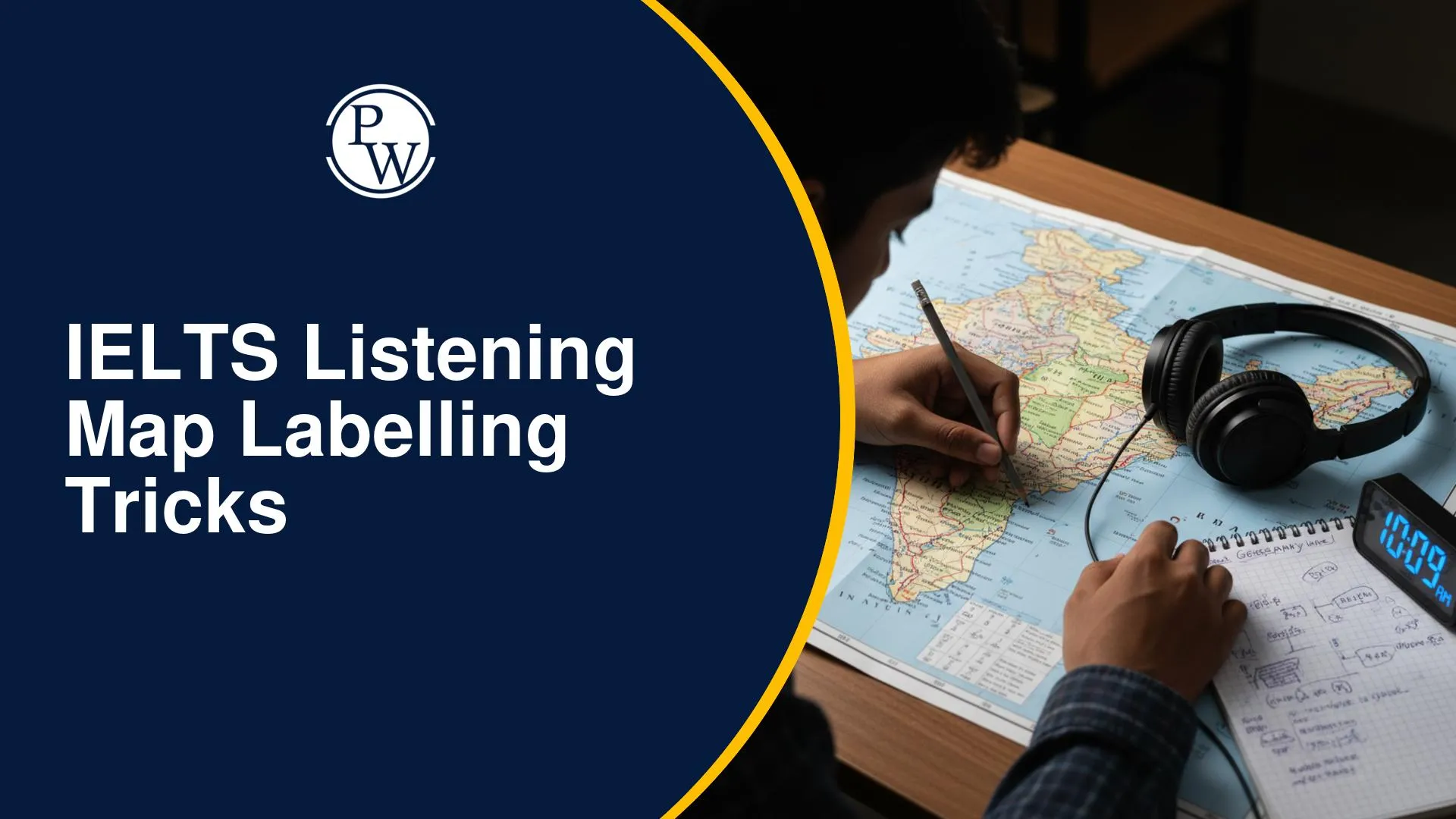
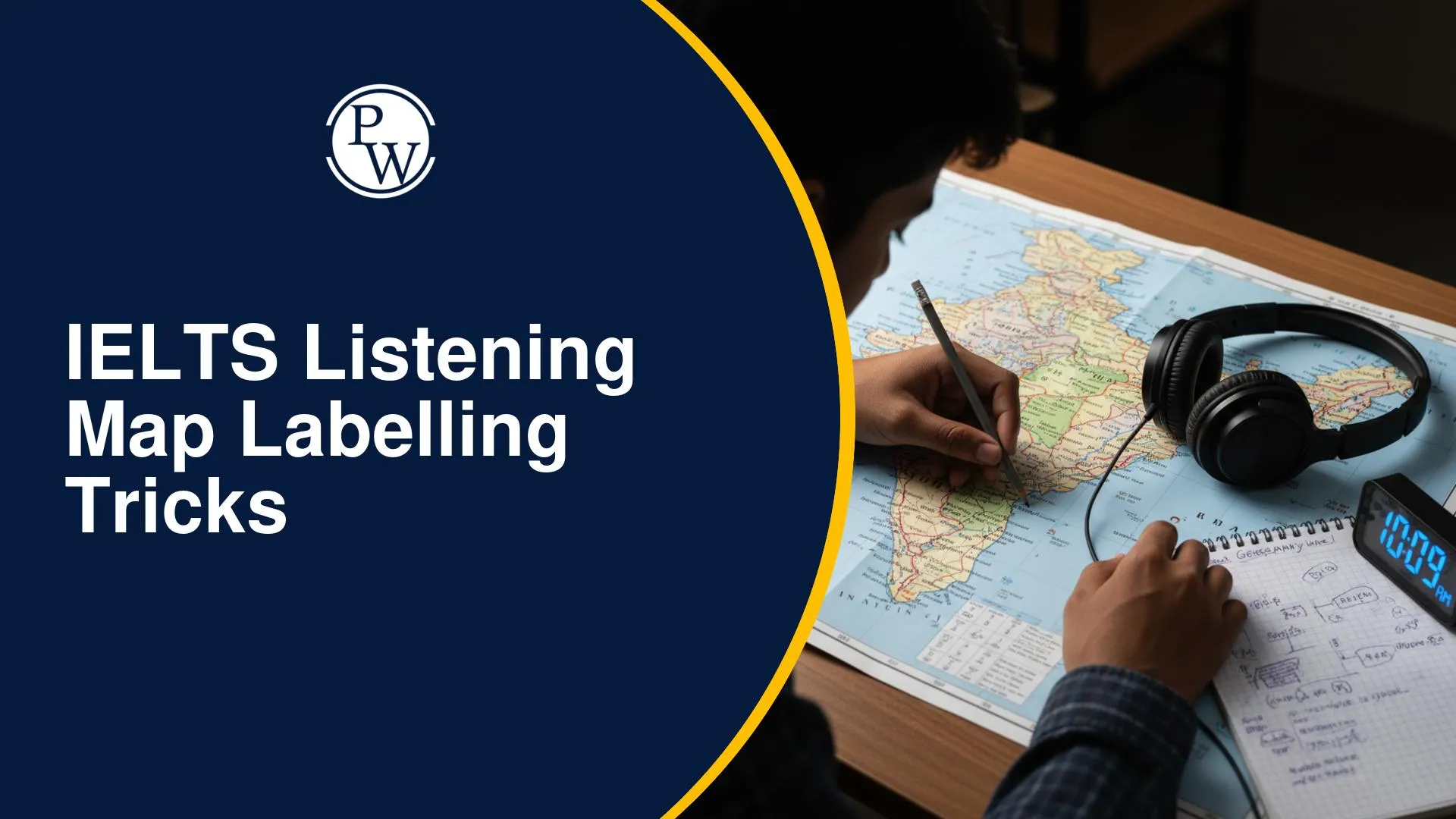
IELTS Listening Map Labelling questions test your ability to understand spoken directions and accurately mark locations on a map, usually appearing in Part 2 of the test. Students often struggle not because of language issues but due to difficulty in tracking movement, identifying the starting point, and following instructions in real time.
These questions can include indoor or outdoor maps and require strong knowledge of directional vocabulary like left, right, between, and across. With proper strategies such as scanning the map, following step-by-step audio, and staying calm during tricky parts, accuracy can be greatly improved.
What Are Map Labelling Questions in IELTS Listening?
In this question type, you are given a map (like a park, building, campus, or town) and an audio recording. The speaker describes directions, and you must label locations correctly based on what you hear.
It checks:
-
Listening accuracy
-
Direction understanding
-
Visual mapping ability
IELTS Listening Section Overview
IELTS Listening has four parts with different question styles. Map labelling mostly appears in Part 2 where one speaker gives directions.
This section helps you understand where map questions fit in the overall test pattern.
-
Part 1: Conversation (daily situations like booking)
-
Part 2: Monologue → Map labelling (most common)
-
Part 3: Group discussion (academic)
-
Part 4: Lecture (academic monologue)
Map questions are mainly found in Part 2
Types of Maps in IELTS Listening
Maps can look different, but logic stays the same:
Indoor Maps
-
Library
-
School
-
Office
-
Museum
-
Building layout
Focus: rooms, floors, corridors, lifts
Outdoor Maps
-
Park
-
Town map
-
Campus
-
Amusement park
Focus: roads, paths, gates, landmarks
Key Direction & Navigation Vocabulary
Key Direction & Navigation Vocabulary includes essential compass, relative, and position words used in map-based questions, where even small directional terms can completely change the answer.
Compass Directions
-
North, South, East, West
-
North-East, South-West etc.
Relative Directions
-
Left / Right
-
Straight
-
Turn / Cross / Go past
Position Words
-
Next to, beside
-
Opposite
-
Between
-
Behind / In front of
-
Near / At the corner
If you miss these words, the whole answer can change.
Step-by-Step Strategy Before Listening
Step-by-Step Strategy Before Listening focuses on using the initial 30 seconds wisely to scan the map, identify the starting point and landmarks, and predict movement paths to avoid common mistakes.
-
Read the map title first
-
Identify the starting point (very important)
-
Look for entrance marks like “You are here” or main gate
-
Mark visible landmarks quickly
-
Predict possible movement path
Most students fail here because they skip map scanning.
How to Follow Audio During Map Questions
How to Follow Audio During Map Questions involves carefully tracking movement keywords, matching spoken directions with the map step-by-step, and staying calm to continue even if one answer is missed.
-
Focus on movement words like turn, go straight, cross
-
Follow instructions step-by-step on the map
-
Match speaker direction with your map position
-
Keep tracking even if you miss one answer
Don’t panic if you lose one point, just continue.
Common Mistakes & Traps
Common Mistakes & Traps in map questions include confusion with directions, missing the starting point, and getting distracted by similar landmarks or traps designed to test careful listening and accuracy.
-
Confusing left and right
-
Missing starting point
-
Getting stuck on one missed answer
-
Similar landmark names
-
Spelling errors
-
Losing sequence of directions
IELTS often includes distractors to confuse you.
Smart Tricks to Improve Your Score (Band 7+)
Using smart listening techniques can help improve accuracy, reduce confusion, and boost overall IELTS Listening performance.
-
Always locate the starting point first
-
Rotate your mental position while turning directions
-
Follow compass direction when available
-
Focus more on movement verbs
-
Stay calm if you miss an answer
-
Don’t guess randomly—use logical elimination
Improving your IELTS Listening score in map and direction questions becomes easier with regular practice and the right strategy. Focus on visual listening, stay calm during the audio, and use logical elimination whenever needed. The key is “visual listening,” not just hearing.
IELTS Listening Map Labelling Tricks FAQs
In which part do map questions come in IELTS Listening?
What is the biggest challenge in map labelling?
How important is starting point in map questions?
What type of vocabulary is most important?
How can I improve map question accuracy?






Get Free Counselling Today
and Clear up all your Doubts
 Live & recorded classes available at easeDashboard for progress trackingLakhs of practice questions

