






Some people think that illegal Internet downloads are having a negative effect on the music industry. Others feel that they have little or no impact on artists. Discuss both views and give your own opinion.


Share
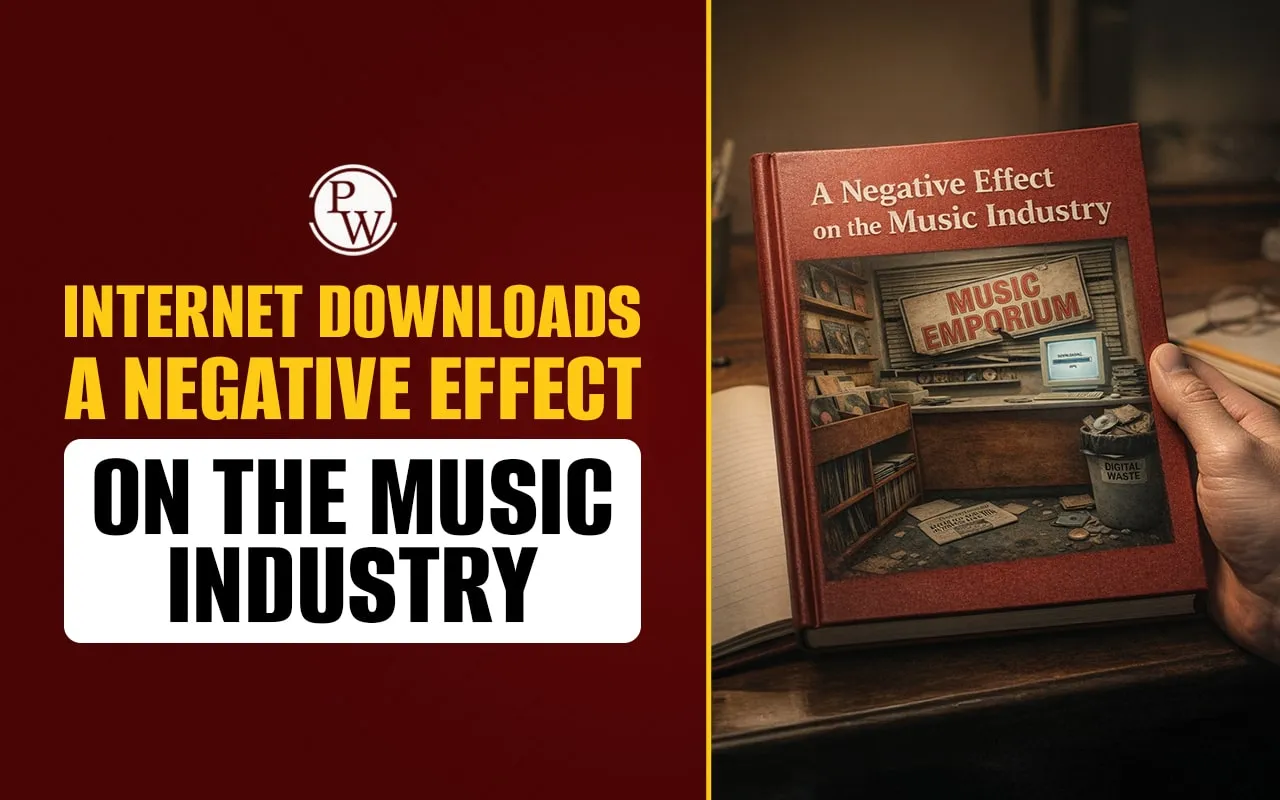
Internet Downloads: A Negative Effect on the Music Industry is a topic that is usually discussed by students preparing for the IELTS writing test. With the rise of the internet, music has become easier to find and share. The way people listen to songs has changed quickly in recent years. The same technology that helps people enjoy music easily has also created problems for musicians and companies.
In the early 2000s, many listeners started to download music for free from online sites. These illegal downloads affected the earnings of singers, songwriters, and record companies. At the same time, the internet provided new chances for promotion and creativity.
The Argument for a Negative Effect on the Music Industry
The idea that internet downloads have a negative effect on the music industry mainly comes from the loss of money and respect for creative work. When songs are taken for free, the people who worked hard to make them do not get paid. This problem began many years ago, but it still continues in some ways even today.
Financial Losses and Copyright Infringement
The biggest harm caused by internet downloads is the loss of money. When people download songs illegally, artists and producers lose their earnings. It also breaks copyright laws, which protect creative work. These losses have made it harder for small musicians to live off their music.
During the early digital age, platforms like Napster and LimeWire allowed people to share songs without payment. This made piracy common and hurt the music industry badly. Many new artists could not continue their careers because they were not paid fairly for their work. Some reports say that billions of dollars are lost each year because of these illegal downloads.
|
Financial Losses and Copyright Infringement Details |
|
|---|---|
|
Aspect |
Impact on the Music Industry |
|
Artist Income |
Sharp drop due to unpaid downloads |
|
Record Labels |
Revenue loss and less promotion |
|
Copyright |
Weak control caused a rise in piracy |
|
Small Musicians |
Hard to earn a steady income |
|
Global Revenue |
Billions lost through free sharing |
Decline in Traditional Sales Models
The rise of digital downloads changed how music was sold and enjoyed. Before the internet, people used to buy CDs, tapes, or vinyl records to listen to the music. These sales supported artists, record shops, and production workers. But once downloads became popular, this system started to collapse.
Even legal downloads from sites like iTunes changed buying habits of consumers. Instead of full albums, people began buying single songs or listening for free. Many record stores closed down, and workers lost jobs as physical sales dropped. This change also reduced how much artists earned per song.
|
Important Points about Decline in Traditional Sales Models |
|
|---|---|
|
Old Sales Model |
Effect of Internet Downloads |
|
CD and Vinyl Sales |
Fast decline after digital rise |
|
Retail Jobs |
Record shops closed worldwide |
|
Album Purchases |
Shift to downloading of single songs |
|
Artist Royalties |
Lower income from song sales |
|
Production Chains |
Loss of traditional distribution |
The Argument for Minimal Impact and Positive Change
Some experts believe that internet downloads have not only a negative effect on the music industry. It also brought positive changes in some aspects. They think that the internet helped the industry grow in new directions. Digital platforms made it easier for people to find and enjoy music legally.
Although illegal downloading initially hurt the industry, it also helped companies to develop better and safer ways to share music. This is how the modern music streaming system began.
Evolution to Legal Streaming Services
Streaming became the answer to music piracy. Services like Spotify, Apple Music, and YouTube Music made it easy for people to listen to songs for a small fee or even free with ads. This reduced the need for illegal music downloads.
Streaming also changed how people see music. Instead of owning songs, listeners can now access them anytime through an internet connection. By 2020, streaming made up over 80% of all music industry income in the US. As per some reports, downloads became less popular and made up less than 10% of total revenue.
|
Evolution to Legal Streaming Services Details |
|
|---|---|
|
Platform |
Key Benefit |
|
Spotify |
Unlimited listening for small monthly fee |
|
Apple Music |
Better sound quality and special releases |
|
YouTube Music |
Free access with global reach |
|
Amazon Music |
Easy use for online shoppers |
|
Tidal |
Fair pay for artists with quality sound |
Increased Exposure for New Artists
One of the biggest advantages of the internet is how it gives new artists a chance to be heard. In the past, only record companies could promote singers and bands. Now, digital platforms allow anyone to upload and share songs directly with fans.
Social media and streaming platforms make it possible for unknown artists to gain attention without spending much money. Even free sharing can help artists grow an audience. Many artists later earn through concerts, advertisements, and merchandise sales. This shows how internet use can also create success in the field of music.
|
Increased Exposure for New Artists |
|
|---|---|
|
Digital Platform |
Opportunity for Artists |
|
SoundCloud |
Share songs with a global audience |
|
|
Promote music and connect with fans |
|
TikTok |
Reach new listeners through short clips |
|
Bandcamp |
Sell songs directly to supporters |
|
YouTube |
Share music videos and build fanbase |
Shifts in Consumer Behaviour
Modern listeners behave very differently from those of earlier years. Students and young people now prefer instant access to songs instead of buying physical albums. This shift forced the music industry to adapt quickly to the era of streaming and downloads.
Music has also become a daily habit for people. People listen while studying, working, or travelling. Playlists, recommendations, and social media sharing have made listening more social and interactive. Internet downloads began this trend and created a culture of quick and easy access to entertainment.
The Changing Role of Record Labels
Record labels were once the most powerful part of the music industry. But the rise of the internet changed their role. Many companies now sign artists who already have online popularity. They also handle streaming rights, promotions, and digital marketing.
This change has built new partnerships between artists and labels. Independent artists with large online followers can now get better deals. Labels that failed to update their systems lost power, while those who adopted digital platforms survived and grew stronger.
It is clear that internet downloads had a negative effect on the music industry when they first became popular. Artists lost large amounts of income, and many traditional businesses closed. However, the same challenge pushed the industry to find better solutions like streaming.
Today, the music industry has adjusted to the digital world. Illegal downloads still exist, but they are not as damaging as before. In my view, this change helped music reach more people and encouraged fairer and more creative ways for artists to share their work. The lesson is that the industry can survive and grow when it adapts to new technology.