






People who read for pleasure in their free time have a better imagination than those who prefer to watch TV. To what extent do you agree or disagree?


Share
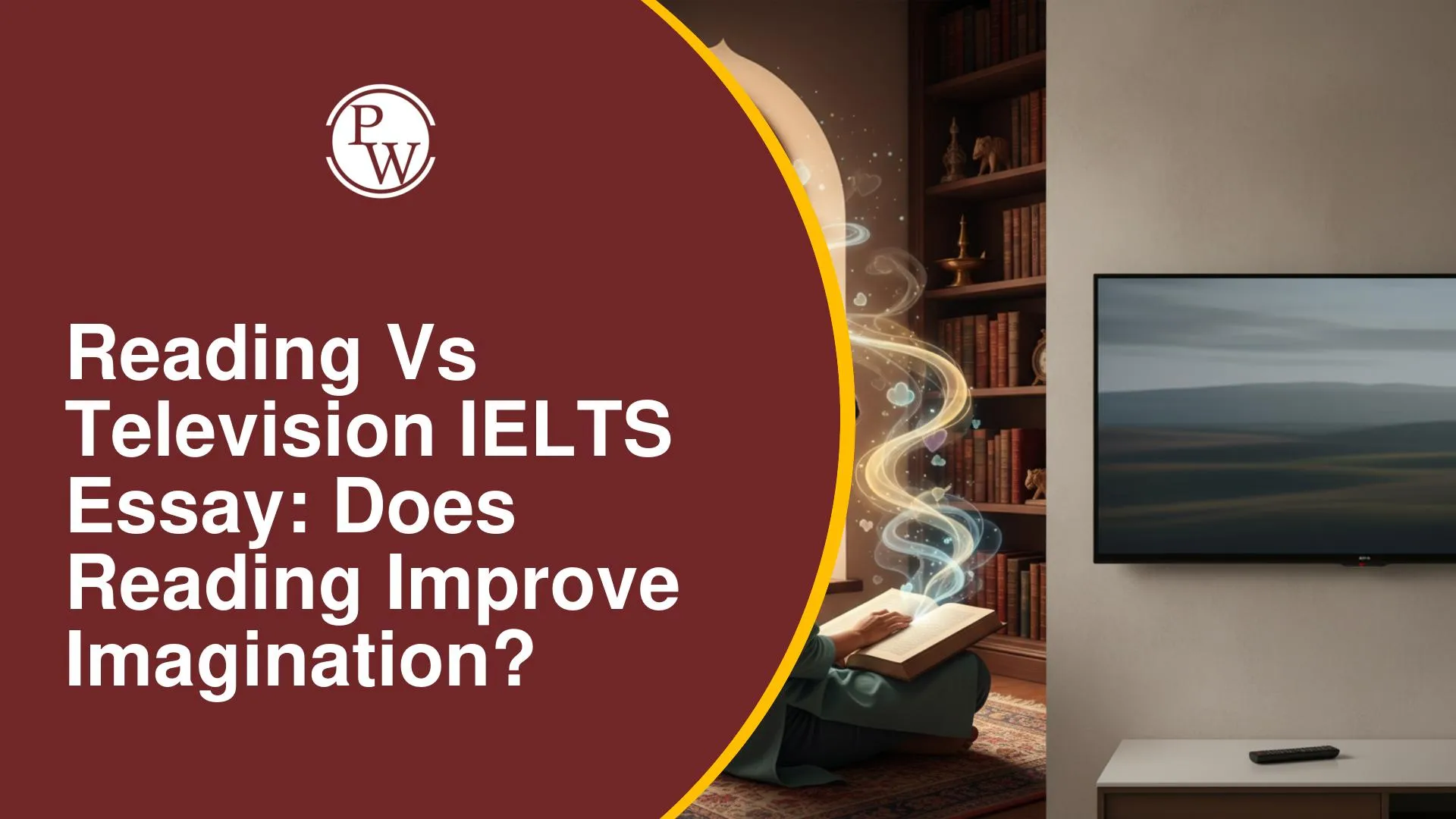
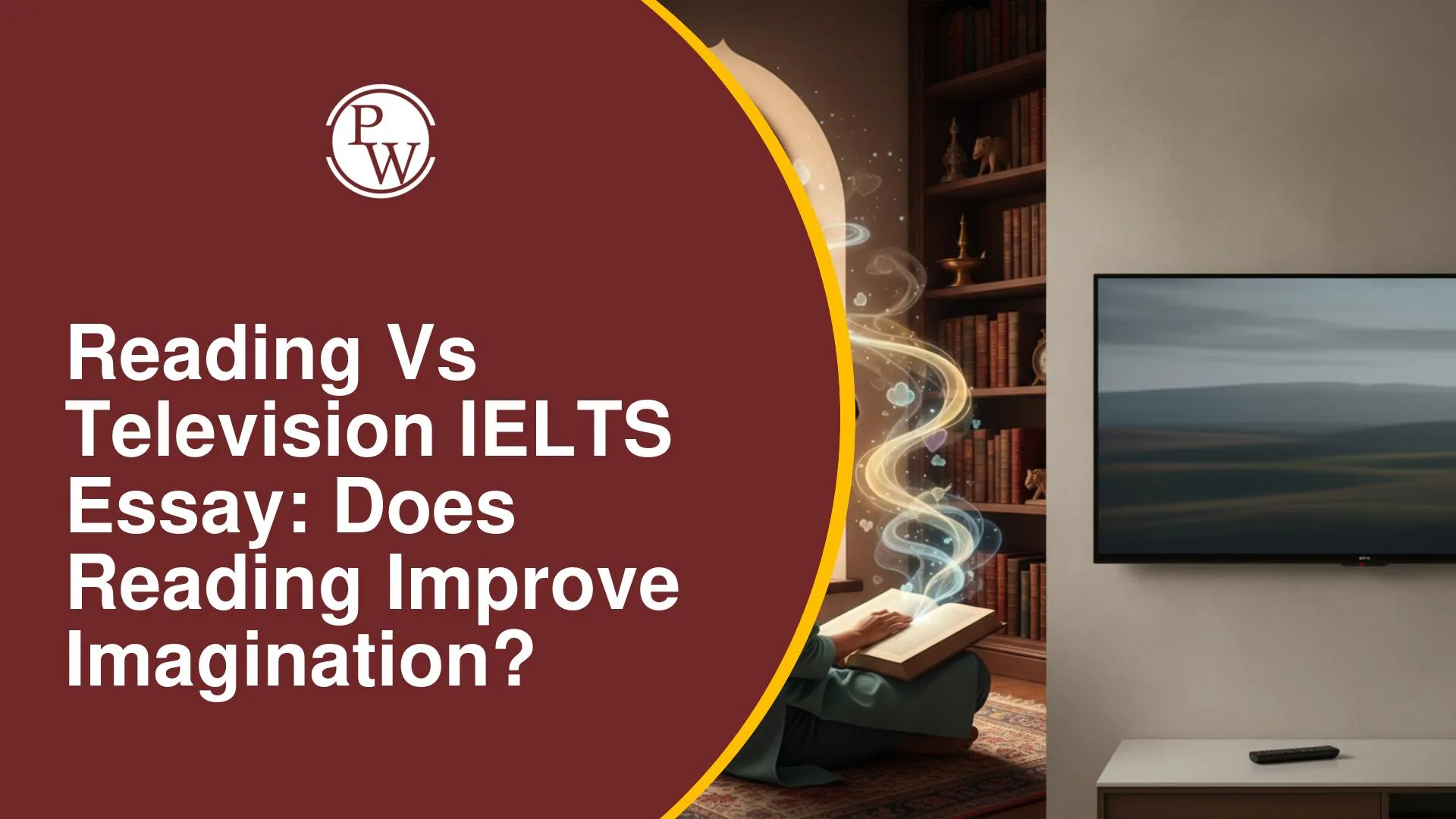
In the modern digital era, leisure activities are increasingly dominated by screens, particularly television. However, many argue that people who engage in reading for pleasure tend to develop a stronger imagination than those who prefer to watch TV. I strongly agree with this view, as reading actively stimulates mental imagery and creativity, whereas television largely promotes passive consumption of ideas.
To begin with, imagination and reading are closely interconnected because reading requires the brain to construct images, settings, and characters from written descriptions. When individuals read books for imagination, they must interpret language, visualize scenes, and emotionally connect with narratives using their own cognitive resources.
For example, a novel describing a fantasy world does not provide ready-made visuals; instead, readers mentally design landscapes, appearances, and emotions. This mental effort significantly enhances creativity and imaginative thinking. In contrast, television presents complete visual and auditory content, leaving little room for personal interpretation or creative involvement.
Furthermore, the impact of reading on imagination extends beyond storytelling into problem-solving and abstract thinking. Regular reading habits and creativity reinforce one another, as readers are exposed to diverse perspectives, complex ideas, and nuanced emotions.
This process encourages deeper reflection and flexible thinking. On the other hand, while television can be informative and entertaining, excessive viewing often leads to mental passivity. The comparison of reading vs watching TV clearly shows that reading demands concentration and imagination, whereas television primarily delivers information in a ready-to-consume format.
That said, it would be unfair to claim that television has no imaginative value at all. Certain educational programs and documentaries can spark curiosity and inspire creativity.
However, when examined through the lens of reading vs television discussions, reading remains superior in nurturing original thought because it requires active engagement rather than passive observation.
In conclusion, I completely agree that people who read for pleasure develop a richer imagination than those who prefer watching TV. While television may offer convenience and entertainment, reading books for imagination fosters creativity, critical thinking, and mental independence.
Therefore, encouraging strong reading habits from an early age is essential for cultivating imaginative and intellectually active individuals.