Simple Past Tense: Structure, Examples and Uses

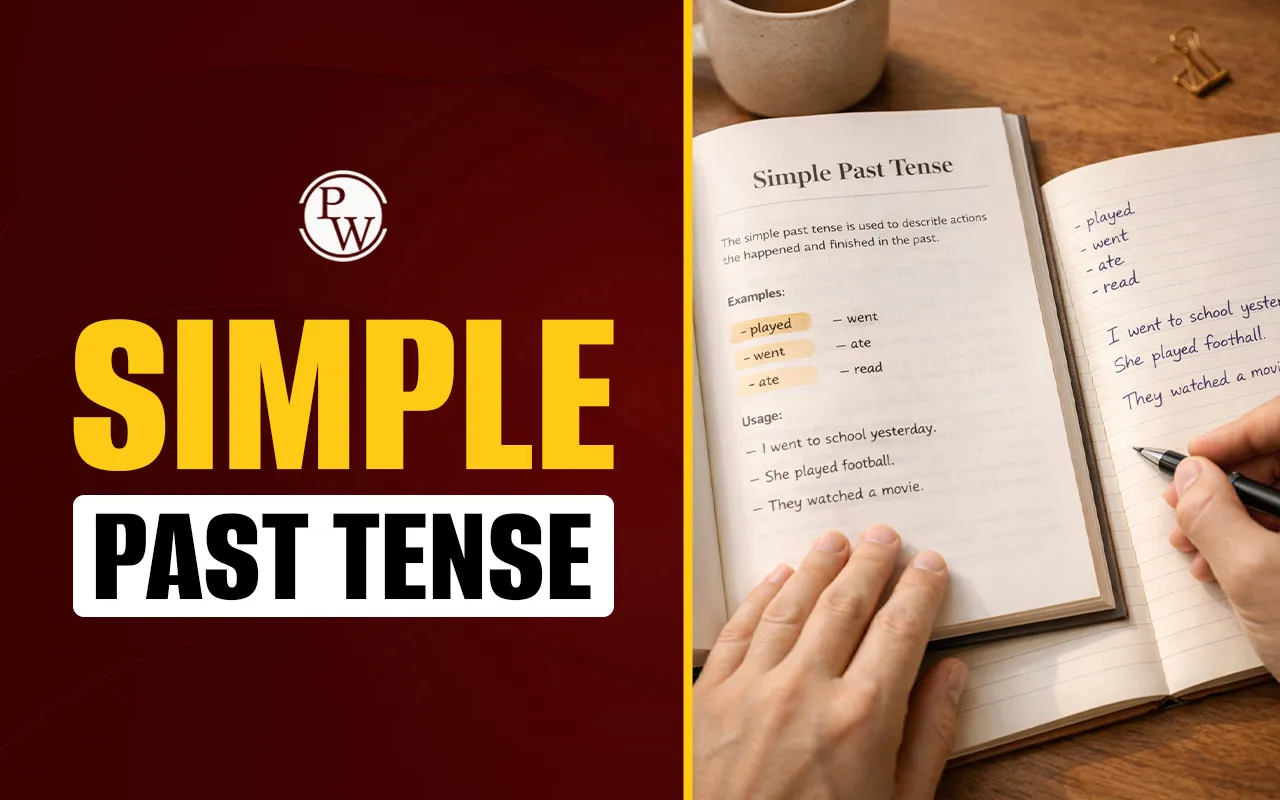
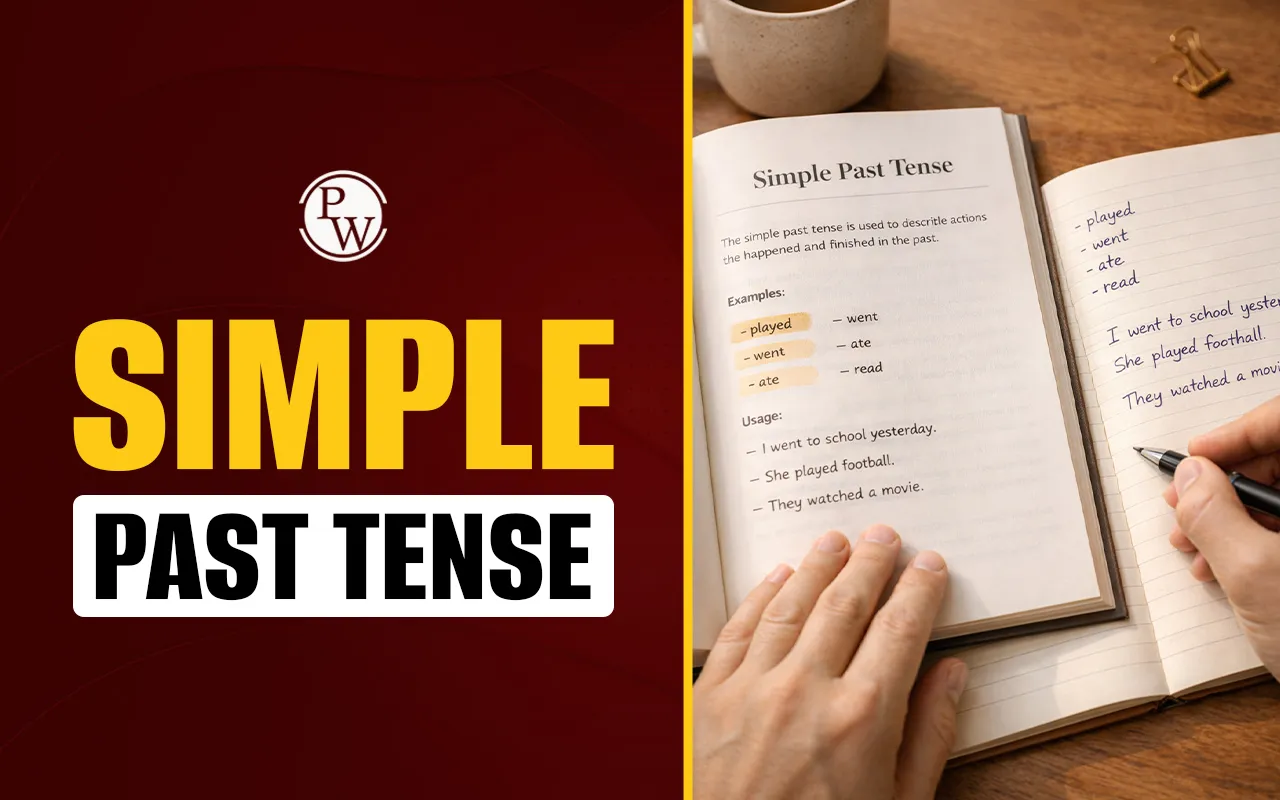
Simple past tense is one of the most important tenses in English grammar. It helps us talk about actions, events, or situations that were completed in the past. Whether we are telling a story, writing history, or sharing daily experiences, the simple past tense plays a key role. For students and beginners, learning this tense is necessary to speak and write correct English.
Simple Past Tense Definition
The Simple Past Tense is a basic English verb form. It talks about actions that finished before the present moment. This topic is fundamental for clear communication about past events. Understanding its structure and uses is key for English language learners to describe sequences of past actions accurately.
For example:
-
John Cabot sailed to America in 1498.
-
My father died last year.
Simple Past Tense Uses
We use the simple past tense when we state when something happened. It often pairs with specific past time expressions.
-
Frequency: often, sometimes, always
-
I sometimes walked home at lunchtime.
-
Definite Point in Time: last week, yesterday, six weeks ago
-
We saw a good film last week.
-
Indefinite Point in Time: the other day, ages ago, a long time ago
-
People lived in caves a long time ago.
Simple Past Tense Formula
The simple past tense formula helps learners form correct sentences.
-
Affirmative: Subject + past form of verb
-
Negative: Subject + did not + base form of verb
-
Interrogative: Did + subject + base form of verb
Understanding this formula is essential for error-free sentence formation.
Simple Past Tense Regular Verbs
Forming the simple past tense involves adding '-ed' to the base form of regular verbs. The simple past tense structure changes for affirmative, negative, and interrogative sentences.
| Simple Past Tense Regular Verbs | ||
|---|---|---|
| Affirmative | Negative | Interrogative |
| Subject + verb + ed | Subject + did not + infinitive | Did + subject + infinitive |
|
I walked. |
They didn't go. |
Did she arrive? |
Simple Past Tense Irregular Verbs
Many verbs are irregular in the simple past tense. They do not follow the standard '-ed' rule. You must memorize their specific past forms.
-
To Go: He went to a club last night. Did he go to the cinema?
-
To Give: We gave her a doll. They didn't give John their new address.
-
To Come: My parents came last July. Did he come to your party?
Simple Past Tense of To Be, To Have, To Do
These common verbs have unique simple past tense forms.
| Simple Past Tense of To Be, To Have, To Do | |||
|---|---|---|---|
| Subject | Be | Have | Do |
| I | was | had | did |
| You | were | had | did |
| He/She/It | was | had | did |
| We | were | had | did |
| They | were | had | did |
Simple Past Tense Negative Sentences
Simple past tense negative sentences are formed using did not (didn’t) and the base form of the verb.
Structure:
Subject + did not + base verb
Examples:
-
We didn’t have any money.
-
She didn’t understand the question.
Important Rule: The main verb does not change when did not is used.
Simple Past Tense Interrogative Sentences
For all verbs in the simple past, use the auxiliary verb "did" for negative and interrogative sentences, except for "to be." The simple past tense negative sentences and interrogative sentences always use the base form of the main verb with "did" or "did not."
For example:
-
We didn't have any money.
-
Did you have a bicycle when you were young?
Simple Past Tense Examples
More simple past tense examples for better understanding:
-
I finished my homework last night.
-
She visited her grandparents yesterday.
-
They watched a movie after dinner.
-
He bought a new bag from the market.
-
We played cricket in the evening.
-
She wrote a letter to her friend.
-
The teacher explained the lesson clearly.
-
I woke up early this morning.
-
They traveled to Delhi last year.
-
He lost his keys on the way home.
Key Mechanisms of Simple Past Tense
Forming Regular Verbs: To form the simple past tense for regular verbs, add '-ed' to the base form. If the verb ends in 'e', add only 'd'. If it ends in a consonant followed by 'y', change 'y' to 'i' and add 'ed'. For example, 'walk' becomes 'walked', 'live' becomes 'lived', and 'study' becomes 'studied'.
Using Auxiliary 'Did': The auxiliary verb 'did' is central to forming simple past tense negative sentences and simple past tense interrogative sentences for most verbs. For negative sentences, use "did not" (or "didn't") before the base form of the main verb. For questions, start with "Did" before the subject and the base form of the main verb.
Simple Past Tense FAQs
Q1: What is the main use of the simple past tense?
Q2: How do you form the simple past tense for regular verbs?
Q3: Does the simple past tense require an auxiliary verb for all forms?
Q4: What is an example of an irregular verb in the simple past tense?